
 +86-0755-86131192
 2026-07-27
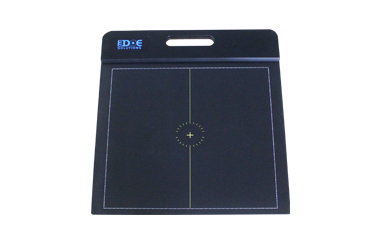
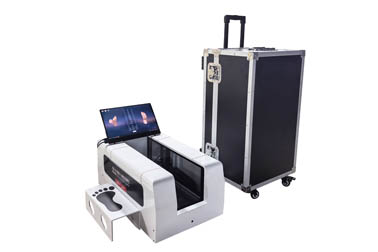
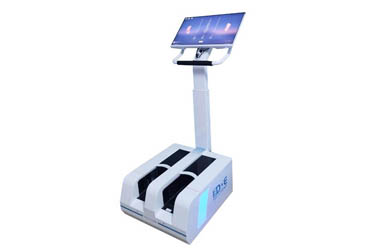
The plantar pressure plate is the core testing equipment for evaluating foot biomechanical function in insole carving and 3D printing production.
So, what exactly are its functions?
The dimensions of the detected data are different.
(1) Static pressure detection belongs to basic assessment.
The patient is required to stand naturally on the pressure plate with both feet; currently, clinical practice mainly detects the static center of gravity distribution.
After obtaining the external morphology via the foot scanner, if it is a functional insole, static pressure collection must be conducted through the plantar pressure plate to determine whether the plantar load bearing is even, and finally, the collected pressure heat map data is imported into the design software.
Static pressure detection is a static balance analysis; after reading the data, the set algorithms will be used to identify high-pressure and low-pressure areas, and the determined parts are the support focuses of the insole.
After the data is read, manual review and adjustment of load bearing points are still required in the later stage.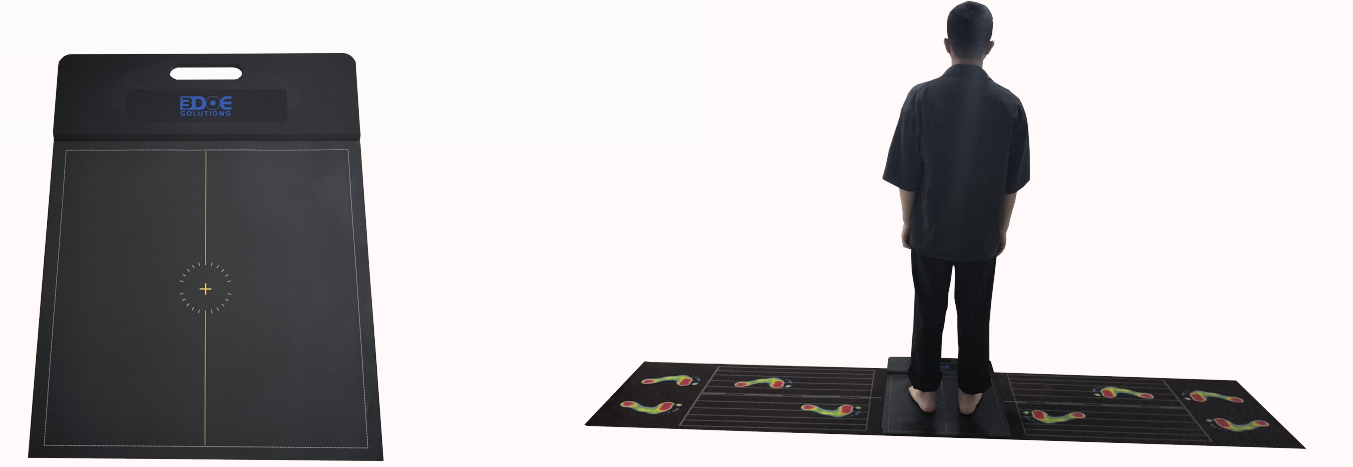
(2) Dynamic pressure detection belongs to advanced assessment.
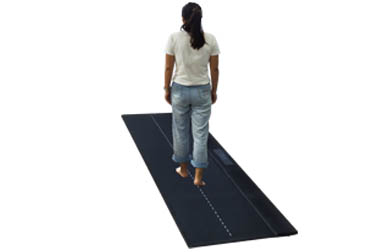
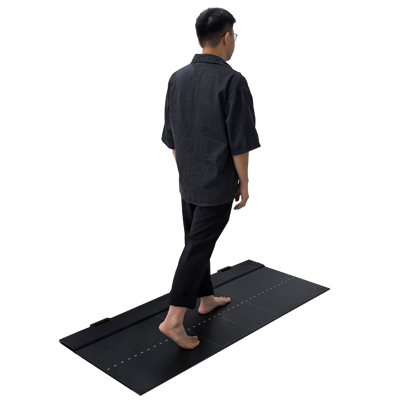
Dynamic detection does not require the patient to remain stationary, but requires the patient to walk on the pressure plate.
First, a walking gait test is conducted through the plantar pressure plate to capture the pressure changes during walking, and then this dynamic data is imported into the gait analysis software for time-series analysis and phase design.
Finally, the analyzed data is processed and transmitted to the 3D printer via the cloud and other methods for structural optimization.
The analysis of dynamic pressure detection restores the gait frame by frame, from initial contact to toe-off, until the complete walking cycle is restored.
The differences in guiding design logic.
Static pressure detection commonly adopts center of gravity balance analysis; the characteristic of this data is that it is intuitive and easy to read, which can quickly discover whether there is local high pressure, arch collapse, etc. on the sole of the foot; the data is single and cannot reflect compensation during movement.
Dynamic pressure detection commonly adopts gait cycle analysis; the characteristic of this data is that it is precise and comprehensive, reflecting the real movement load bearing; the logic is strong, the support is scientific, and the data dimensions are rich, which can discover hidden biomechanical problems.
The guiding design of static pressure detection is generally at the basic support level, because exceeding this range may fail to solve pain and uneven load bearing during dynamic walking, but its detection cost is relatively low, and the results are faster, especially suitable for static assessment and the population with initial fitting.
The gait analysis used in dynamic pressure detection is more likely to have the ability to prevent injuries; even under high-intensity exercise, it can predict potential load bearing risks through data to avoid the occurrence of obvious biomechanical abnormalities. However, the equipment requirements are relatively high, and the overall process is more cumbersome; this detection is suitable for the population with sufficient budgets who need to solve complex gait problems.
The function of the plantar pressure plate is to obtain the plantar pressure distribution and evaluate whether there are biomechanical problems such as uneven load bearing, compensatory gait, dynamic valgus, and dynamic varus.
Static data is for basic modeling in the software, while dynamic data facilitates functional design and gait correction design.
 Back to list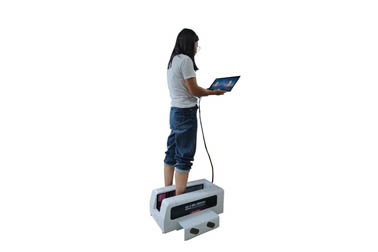


 +86-0755-86131192