
 +86-0755-86131192
 2026-07-27
Carving machine production of insoles and 3D printer production of insoles are currently the two most common production methods in the personalized insole market.
So, what are the differences between these two?
1. Different production processes.
(1) Carved insoles belong to subtractive manufacturing.
It requires a whole piece of solid raw material, and the mainstream material used in the current market is EVA foam board.
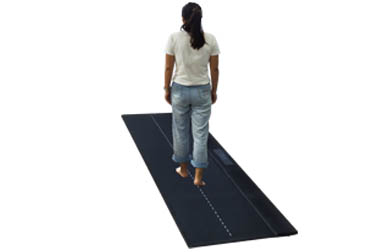
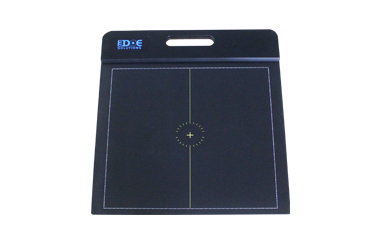
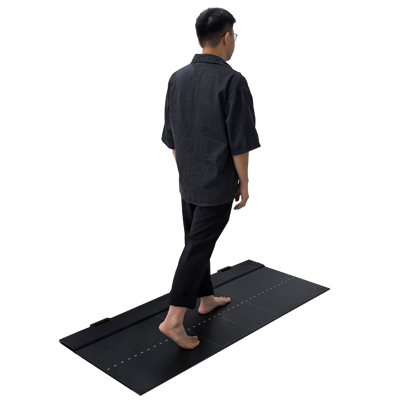
After three-dimensional data measurement by measuring equipment such as plantar scanners, if it is a functional insole, it is also necessary to collect pressure data through a plantar pressure plate, and then carry out personalized insole design, and finally import the designed insole data into the insole carving machine after processing.
The insole carving machine is a type of CNC data machine tool; after importing the data, it will cut and polish away the excess material according to the set program, and the remaining part is the model of the insole.
After the model is processed, post-processing such as polishing, trimming, and pasting is still required.
(2) 3D printing belongs to additive manufacturing.
3D printing does not require prefabricated boards, but requires consumables such as TPU.
First, collect foot data through equipment such as plantar scanners and plantar pressure plates, and then import these measured data into insole design software for personalized design and orthopedic design.
Finally, process the designed data and transmit it to the 3D printer via USB drive or other methods for production.
The production of the 3D printer is to stack consumables layer by layer, from nothing to something, until it piles up into the shape of the insole.
2. Differences in mainstream materials used.
Carved insoles often use high-density EVA, and the characteristic of this material is foamed soft texture; the foot feel is soft in the early stage but it is easy to collapse under long-term pressure and the resilience becomes poor, with average support durability; the density is uniform and the hardness cannot be changed by zones.
3D printed insoles often use materials like TPU / Nylon PA12, and the characteristic of this material is strong elasticity, wear and bending resistance, and not easy to collapse; good toughness and stable support; good medical biocompatibility, sweat and corrosion resistance.
The service life of carved insoles is generally around one year, because after that, situations like compression collapse and decreased support force are likely to occur, but its cost is relatively low and the price is cheaper, especially suitable for people with limited budgets who need frequent replacements in the short term.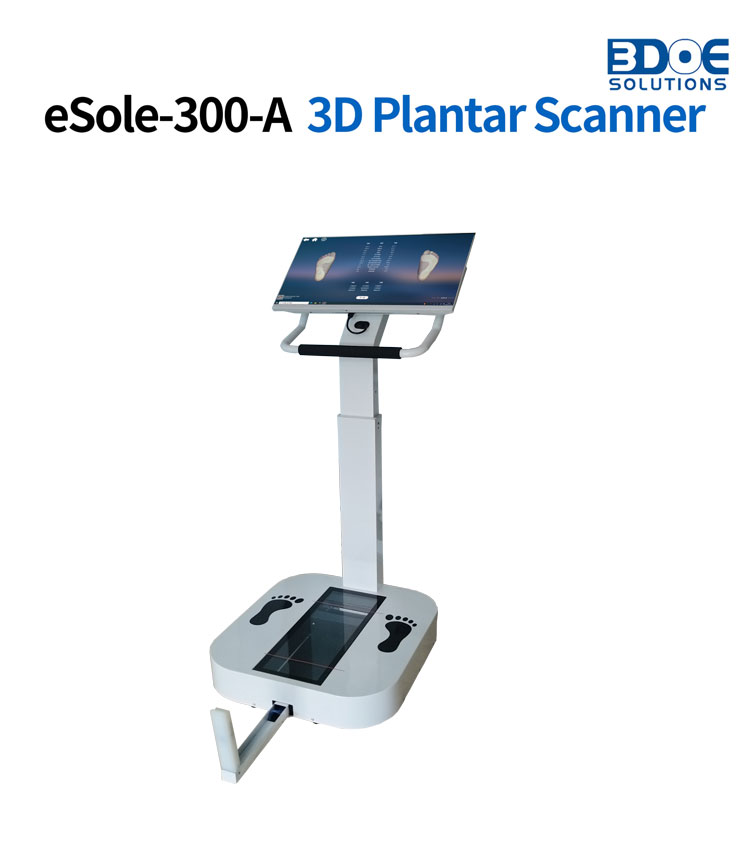
The materials like TPU used in 3D printed insoles are more likely to have the ability to resist deformation; even after 2-3 years of use, there will be no obvious attenuation of support strength. However, the consumables are relatively expensive and the overall price is higher; this type of insole is suitable for people with sufficient budgets who need long-term correction.
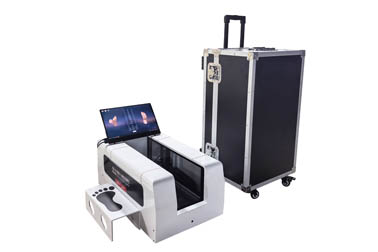
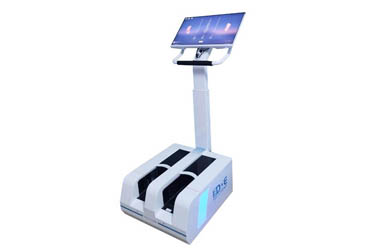
The function of the plantar scanner is to obtain the three-dimensional size of the sole and evaluate whether there are foot problems such as flat feet, high arches, foot varus, or foot valgus.
The three-dimensional data is for modeling in the software, while the evaluation data facilitates personalized design and correction design.
 Back to list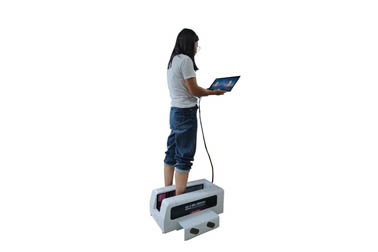


 +86-0755-86131192