
 +86-0755-86131192
 2026-09-20
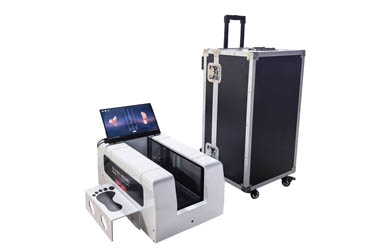
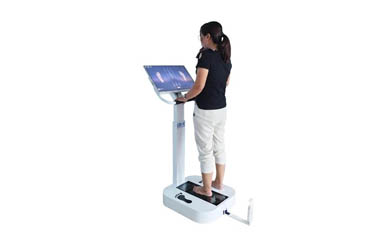
The foot 3D data collector adopts non-contact 3D scanning technology to quickly and comprehensively collect data on the human foot, and obtain data such as the three-dimensional morphology, dimensions of the foot in a natural state, and structural differences between the left and right feet.
The main data collected by this equipment include foot length, foot width, instep height, arch height, foot 3D contour, heel width, forefoot width, left-right foot symmetry, and morphological characteristics of different foot areas.
After the measurement is completed, original 3D foot data and visualized measurement reports will be generated. Through the measurement reports, we can more intuitively understand the foot morphology and the differences existing between the left and right feet.
The foot 3D data collector is widely applied in the fields of sports medicine and competitive sports; orthopedics and foot and ankle surgery; rehabilitation medicine departments and sports rehabilitation centers; child health care / pediatrics (adolescent foot development screening); prosthetic and orthotic engineering; footwear research and development and customized insole fields; scientific research and ergonomic research.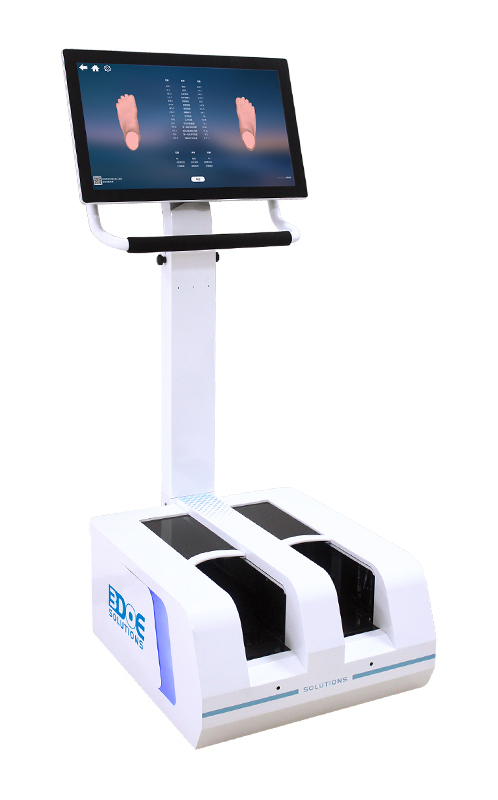
This article mainly introduces how sports medicine uses the foot 3D data collector to analyze and correct abnormal gaits:
1. Analyze structural factors behind abnormal gaits based on 3D foot data.
For example, if excessive foot pronation occurs accompanied by decreased arch height and obvious changes in the medial foot structure, the 3D scanning data can be used to further observe whether there are corresponding structural characteristics in foot morphology.
If the foot landing pattern is changed only to avoid pain during movement, simple observation of static foot morphology cannot explain all problems.
Professional doctors need to conduct a comprehensive judgment combining the 3D foot morphology, changes under weight-bearing conditions and gait performance, so as to distinguish whether abnormal gaits are caused by foot structural factors or functional compensation occurring during movement.
2. Formulate correction schemes based on foot data.
After analysis by professional doctors, intervention schemes are formulated based on 3D foot data.
For example, in customized insole design, the support area, fitting degree and spatial height of the insole can be targeted and designed according to the 3D foot contour, arch height and size differences between the left and right feet.
For high arches, reasonable support and buffer design shall be carried out according to the arch morphology to prevent excessive load on local plantar areas caused by insufficient contact area.
For flat feet, the corresponding support structure can be designed according to the 3D morphology of the arch, enabling the insole to fit the foot better and provide reasonable support for the arch area.
If there are obvious size or morphological differences between the left and right feet, differentiated design can be carried out according to the respective 3D data of the left and right feet, so as to avoid insufficient fitting caused by traditional insoles made with unified sizes.
After the customized insoles are made, it is recommended to conduct 3D foot data collection again, compare the foot morphological changes before and after intervention, and verify whether the insoles achieve the expected fitting and support effects.
3. Develop sports rehabilitation schemes based on 3D foot data.
In addition to wearing customized insoles, sports training and rehabilitation training should be combined to improve foot functional problems.
For example, foot intrinsic muscle training, arch control training and lower limb stability training can be adopted to improve the insufficient foot control ability during movement, with the core goal of improving the foot's adaptability to changes in body center of gravity.
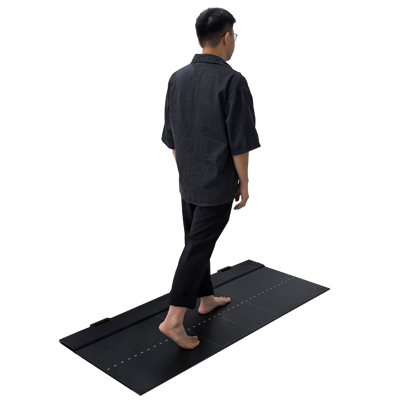
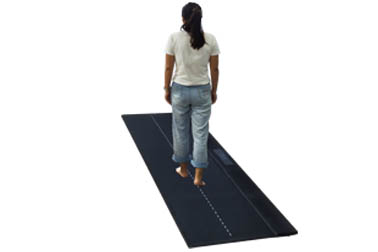
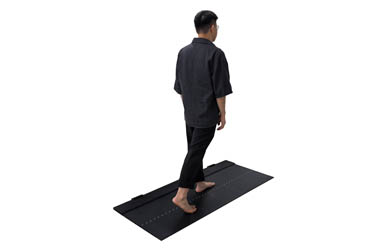
For special sports such as running and jumping, the selection of shoes, insole design and sports movements can be pertinently adjusted combining 3D foot data and dynamic gait test results, so as to reduce excessive local foot load and lower the risk of sports injuries.
For obvious structural deformities, if conservative interventions such as corrective insoles and rehabilitation training fail to achieve ideal results, further clinical treatment may be required. The 3D foot data can be used to assist preoperative morphological evaluation and postoperative data comparison, so as to intuitively observe the changes in foot structure.
 Back to list


 +86-0755-86131192