
 +86-0755-86131192
 2026-09-22
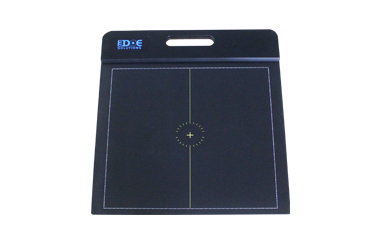
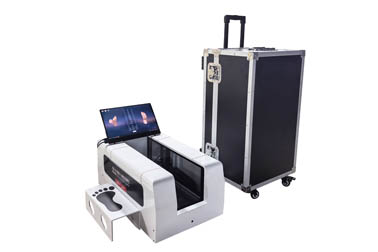
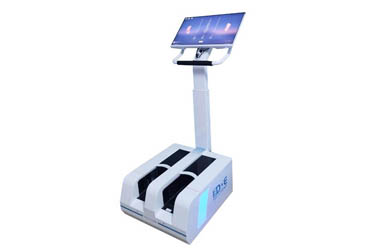
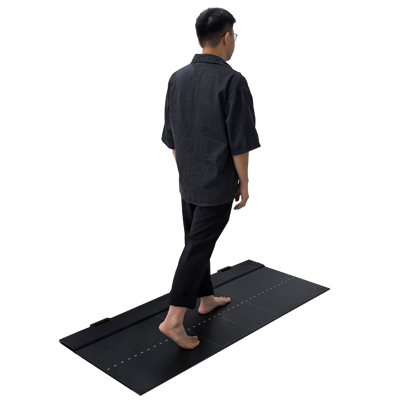
Essentially, the plantar pressure test plate is a flat plate equipped with thousands or even tens of thousands of high-sensitivity pressure sensors arranged in an array on its inner surface.
When a person stands on it, different parts of the sole exert different pressures on the pressure plate, and the built-in high-sensitivity sensors can sense and collect the pressure value and force-bearing area of each point in real time.
The matching computer software conducts analysis and calculation according to preset formulas, such as calculating the pressure distribution, contact area and center of gravity trajectory of the forefoot, midfoot (arch area) and hindfoot.
The judgment logic of the plantar pressure test plate for flat feet, high arches and normal feet is as follows:
1. The medial arch area of a normal foot barely contacts the plate, with a small contact area and low pressure data collected by the pressure plate.
2. The arch of a flat foot collapses significantly when standing, the medial arch area makes extensive contact with the pressure plate, and the pressure data collected by the pressure plate increases obviously.
3. The mid-arch part of a high-arched foot is almost suspended, with an extremely small contact area with the pressure plate, and only the forefoot and heel bear the force.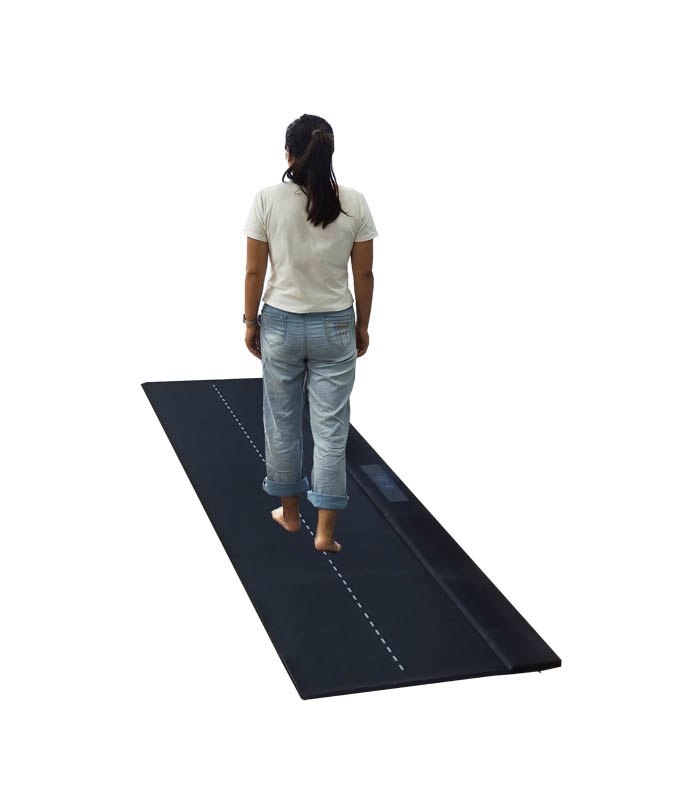
Naturally, the data measured by the pressure plate are accurate.
The arch index (AI) is calculated based on the contact area of the midfoot.
AI = Midfoot contact area ÷ (Forefoot contact area + Midfoot contact area + Hindfoot contact area), excluding the toe area during calculation.
Implication: A higher AI value indicates a larger midfoot ground contact area and a more collapsed foot arch.
The following are the most common reference standards for adult static plantar pressure plate tests:
AI < 0.21: High arch (pes cavus), with a suspended arch and almost no ground contact in the midfoot;
0.21 ~ 0.26: Normal foot arch;
0.26 ~ 0.28: Mild low arch / Mild flat foot (critical state);
0.28 ~ 0.30: Moderate flat foot;
>0.30: Severe flat foot.
However, it should be noted that the judgment results based on these data are only screening indicators and cannot be used for medical diagnosis.
This is because a high AI value only indicates increased midfoot ground contact, which may also be caused by thick plantar fat and thick plantar soft tissues.
Deliberate tiptoeing, abdomen tensing and other abnormal postures during measurement can also cause significant changes in the AI value.
For preschool children, a high AI value does not necessarily mean flat feet, as children’s bones are still in the growth and development stage, and a slightly elevated AI value is a normal phenomenon.
To judge flat feet more accurately, it is necessary to combine the evaluation of heel valgus angle and plantar pressure center offset, because most flat feet are accompanied by heel valgus and medial deviation of the plantar pressure center.
 Back to list


 +86-0755-86131192