
 +86-0755-86131192
 2026-07-27
Diabetic foot is one of the serious chronic complications seen in people with diabetes.
Persistent high blood sugar leads to peripheral neuropathy, abnormal plantar pressure distribution and impaired foot biomechanics, which can trigger ulcers, infections and other problems.
In severe cases, patients may require lower limb amputation.
For this reason, early detection and timely intervention for diabetic foot are extremely important.
In recent years, plantar pressure gait analysis systems have been widely recognised in the industry for early screening, risk assessment and rehabilitation guidance for diabetic foot.
1.Working principle of the plantar pressure gait analysis system
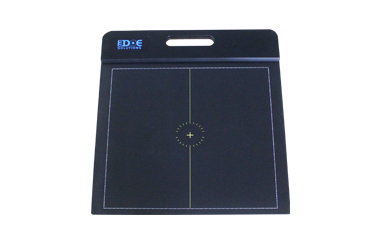
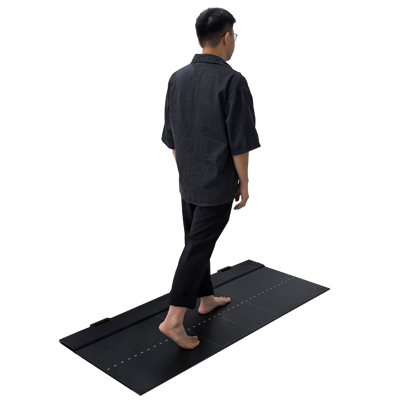
Thousands or even tens of thousands of high-sensitivity pressure sensors are built into the pressure plate. They capture real-time pressure data from different parts of the sole when a person stands still, walks or runs. The data is analysed by computer software to generate visual measurement reports.
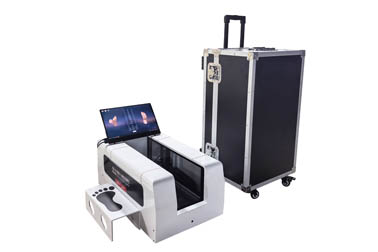
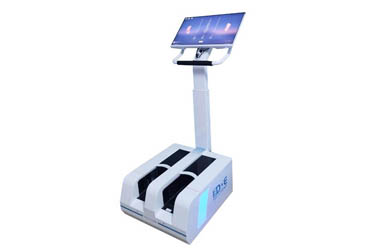
The plantar pressure gait analysis system mainly consists of three parts: plantar pressure plate, computer and supporting analysis software system.
The measurement report mainly includes plantar pressure distribution map, peak plantar pressure, centre of pressure (COP) trajectory, load balance between left and right feet, step length, step width, walking speed, stance-swing phase ratio, flatfoot assessment and high arch assessment.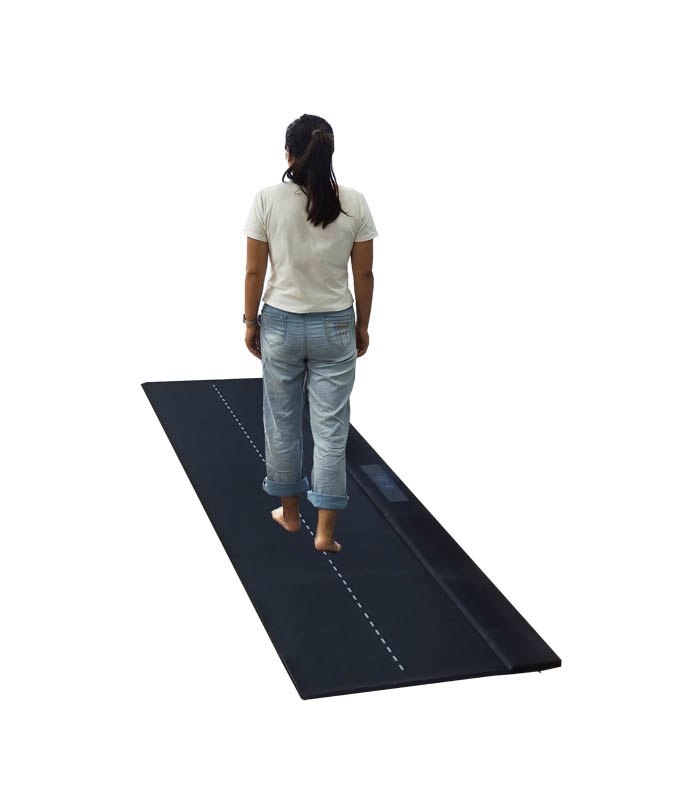
2.How the plantar pressure gait analysis system aids diabetic foot evaluation
For diabetic patients who have not yet developed ulcers, abnormal pressure areas on the sole can hardly be identified with the naked eye.
The plantar pressure testing system collects pressure data from all areas of the sole. Data analysis helps identify regions with abnormal pressure load.
If the peak pressure at a certain area of the sole is far above the normal level, there will be a risk of ulcer formation.
The greater the pressure exceeds the normal value, the higher the risk of ulcers.
Clinically, peak plantar pressure above 200KPa is generally taken as the critical high-risk threshold.
It should be noted that measured data only serves as a reference for professional physicians, who will make comprehensive judgements by taking other factors into account.
The plantar pressure gait analysis system is merely an examination tool. Readings alone cannot be used as direct evaluation criteria. Final assessment requires comprehensive analysis by qualified medical professionals.
Besides early screening for diabetic foot, data measured by the system can also be used in the design and production of orthotic insoles and corrective footwear.
Pressure offloading therapy is one of the key treatments for diabetic foot.
Pressure measurement data supports targeted design and production of insoles and corrective shoes. Custom orthoses redistribute plantar pressure reasonably to achieve the effect of pressure relief treatment.
Plantar pressure can be measured before and after wearing custom insoles and footwear. Intuitive measurement reports can verify whether the expected pressure relief effect is achieved.
Furthermore, data collected by the plantar pressure gait analysis system provides objective reference for rehabilitation doctors to design personalised gait training programmes.
Regular gait data monitoring enables continuous optimisation of rehabilitation plans, so foot conditions can be effectively improved or even resolved.
 Back to list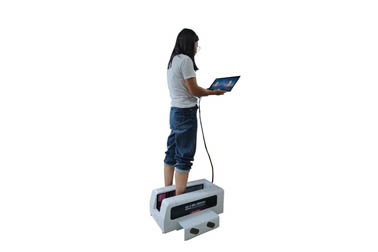


 +86-0755-86131192