
 +86-0755-86131192
 2026-07-24
The 3D laser foot scanner is one of the core tools for precise customization in the field of rehabilitation aids.
Traditional manual molding has pain points such as cumbersome operation, foot deformation caused by contact measurement, and difficulty in digitally saving data, which limit the development of rehabilitation orthotics.
In complex cases, it may lead to poor fitting of the orthosis, affecting the rehabilitation process.
Therefore, introducing digital 3D scanning technology and establishing a standard database is very crucial.
In recent years, collecting foot shape data, analyzing deformities, and designing orthoses through non-contact 3D laser scanning technology has been widely recognized in the rehabilitation field.
The working principle of the 3D laser foot scanner.
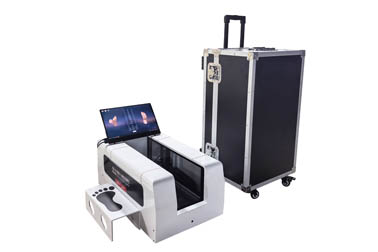
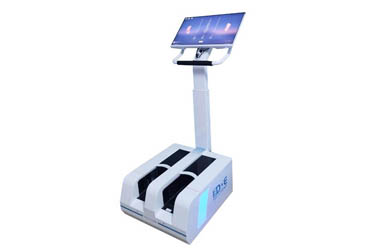
Multiple sets of high-precision line laser probes and industrial cameras are built into the scanning host to quickly capture the contour data of the foot and ankle joint when a person is standing naturally, and to simultaneously generate a high-precision 3D digital model through algorithmic reconstruction.
The 3D laser foot scanner mainly consists of three parts: the scanning host, the data processing workstation, and the supporting reverse engineering design software.
The main contents presented in the measurement report include the 3D point cloud image of the foot, foot length, foot width, instep height, foot circumference, ankle circumference, foot type classification (such as Egyptian foot, Greek foot), arch index, and varus/valgus angles.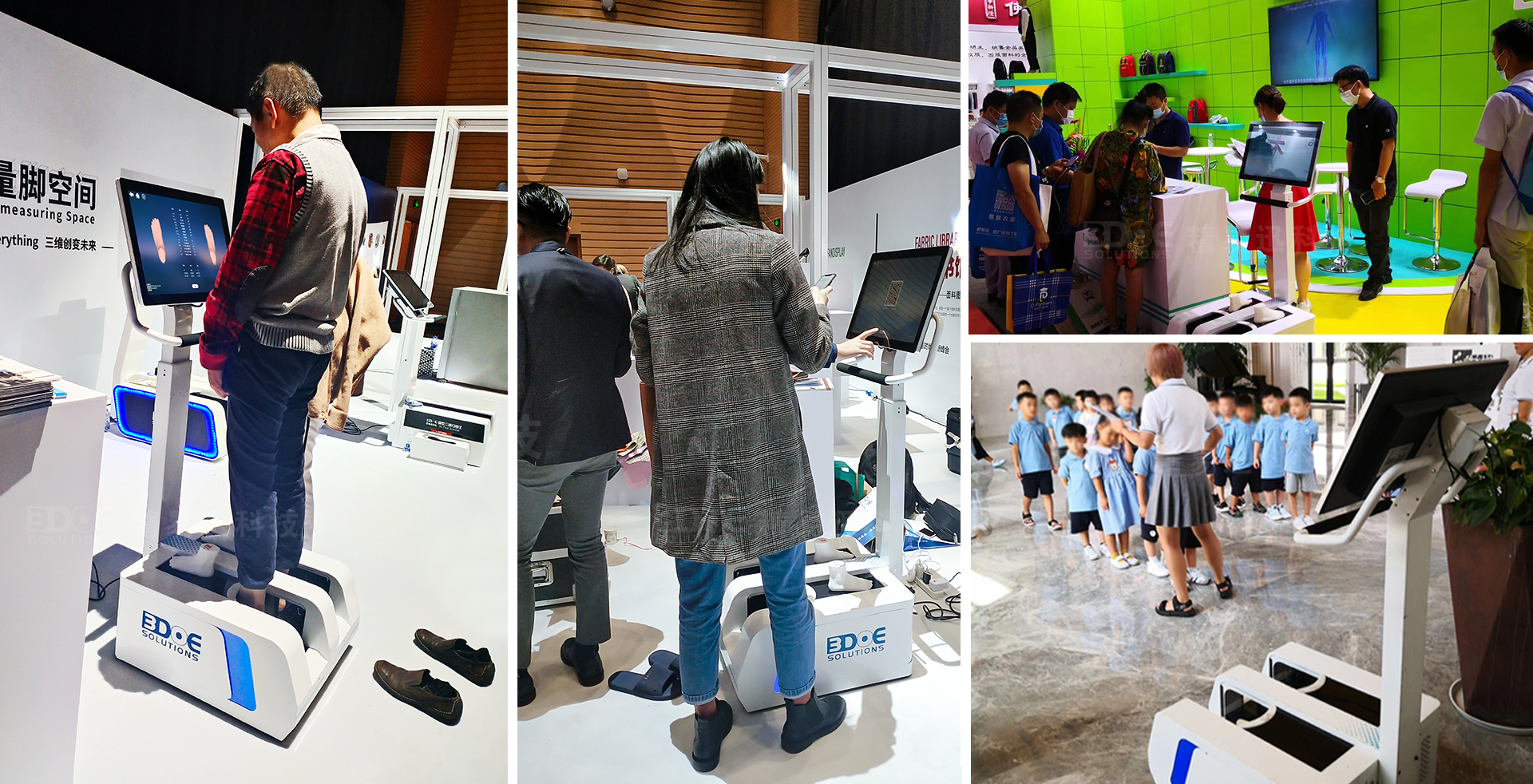
How is the 3D laser foot scanner applied in rehabilitation medicine?
For patients with foot deformities or postoperative swelling, it is difficult for us to accurately quantify the degree of asymmetry and volume changes with the naked eye.
However, through the 3D laser scanning system, we can obtain complete geometric data of the foot surface, and through software analysis, we can know which areas have bone protrusions or deformities.
When our foot shape data deviates greatly from the standard database, there will be a risk of biomechanical abnormalities.
The greater the deviation value, the greater the difficulty and necessity of customizing the orthosis.
In clinical practice, the left-right asymmetry of the foot and specific angular deviations are generally used as important bases for formulating orthotic plans.
Of course, the scanned data model is only for reference by rehabilitation technicians in design, and the rehabilitation therapist will also make a comprehensive judgment based on the patient's pathological characteristics.
The 3D laser foot scanner is just a digital tool; the scanned model should not be directly used as the finished product standard, and ultimately requires professional technicians for shape modification and adjustment.
In addition to being applied in the customization of orthoses, the measurement data of the 3D laser foot scanner can also be applied in the design and manufacturing of 3D-printed orthotic insoles and braces.
Precise fitting is one of the important goals of rehabilitation medicine.
Through the scanned 3D data, targeted orthotic insole design, ankle-foot orthosis design, and 3D printing can be carried out to reasonably fit the foot shape through digital manufacturing, ultimately achieving the effect of correction and support.
By conducting 3D scanning comparisons before and after wearing the orthosis, it can be verified whether the expected correction space and comfort level are achieved.
In addition, the data measured by the 3D laser foot scanner can also provide data references for rehabilitation doctors to track foot development or postoperative recovery.
By regularly scanning the foot shape and continuously optimizing the orthotic plan, limb function can be effectively recovered or even reshaped.
 Back to list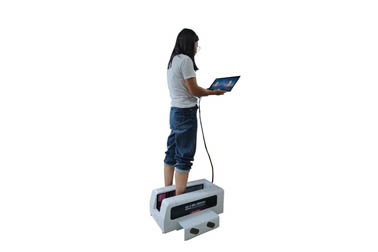


 +86-0755-86131192