
 +86-0755-86131192
 2026-08-05
Traditional evaluation and analysis methods mainly rely on static observation and ink footprint tests, which lead to one-sided information, strong subjectivity, and difficulties in data quantification.
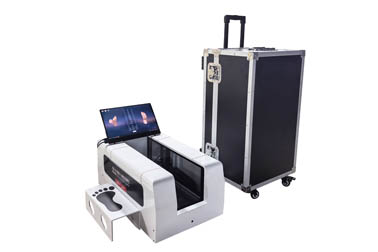
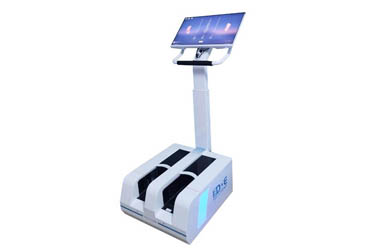
The plantar pressure gait analyzer can effectively address this pain point.
The plantar pressure gait analyzer completes dynamic pressure distribution collection merely through several walking strides. Its sampling rate can exceed 100 Hz. After measurement, it outputs complete data analysis including pressure thermograms and gait cycle curves, as well as assessment reports covering dozens of biomechanical parameters.
Key measurement data obtained by the plantar pressure gait analyzer include: peak pressure, pressure distribution, plantar contact area, arch index, forefoot-rearfoot load ratio, valgus/varus angles, gait cycle (stance phase / swing phase), foot strike pattern (heel strike / full-foot strike / forefoot strike), left-right foot balance, cadence and step length.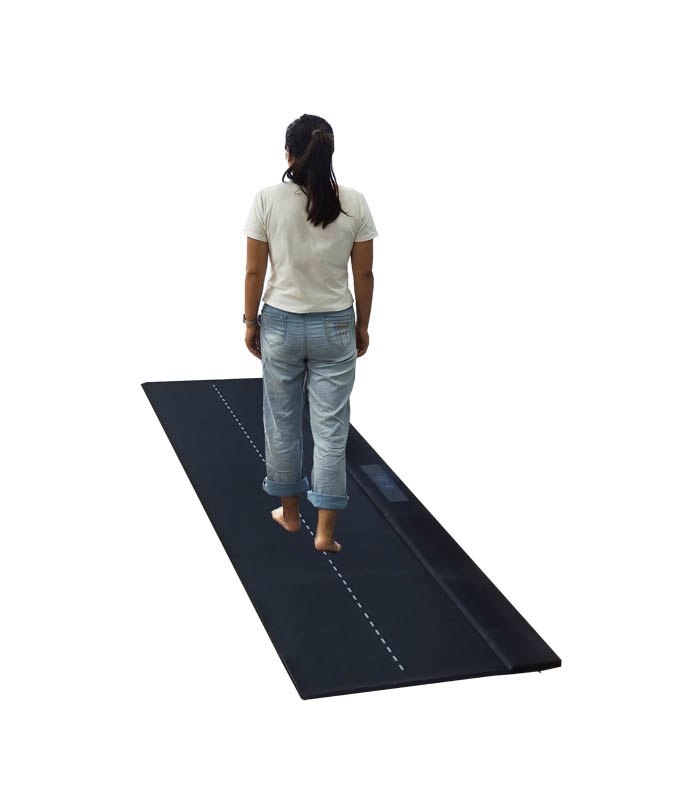
Process of introducing the plantar pressure gait analyzer for custom footwear in offline stores
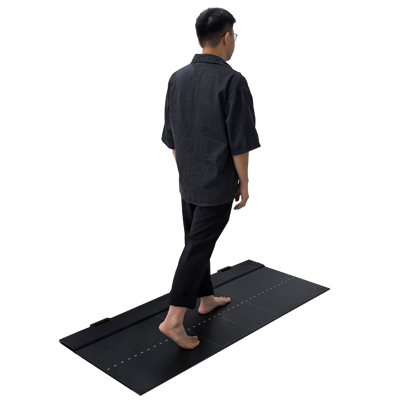
(1) Guide customers to complete gait testing. Customers only need to walk naturally on the test plate and follow the intelligent on-screen instructions to finish data collection easily; the whole process takes only one minute.
(2) A visualized analysis report will be generated on the software. Customers can comprehensively understand their foot stress conditions and risks of sports injuries. Customers may view analysis results free of charge, send the report directly to their mobile phones, or print and save it on-site.
(3) The system will recommend suitable shoe models, such as cushioning running shoes for overpronated feet, supportive leather shoes, corrective sandals, pressure-reducing high heels, etc.
(4) Customers can also customize functional footwear or personalized insoles based on measured data. Customers communicate with shop assistants on-site, select personalized configurations including functional priorities, cushioning levels, support strength, materials of footwear, and then place orders. Store staff will send orders and gait data to factories via cloud transmission for production.
Generation of personalized insoles and midsoles
Designers import measured pressure data into the orthotic design system, select product types and carry out reasonable zoned design. Meanwhile, the software performs automatic compensation: for example, adding cushion layers for high-pressure zones, mounting support pads for low-arched feet, adjusting lateral wedges for oversupinated feet, and so on.
The optimized design data is imported into a CNC engraving machine to produce physical orthotic insoles or custom midsole molds.
Alternatively, the data can be imported into a 3D printer to manufacture personalized lattice-structured insoles through additive manufacturing. The traditional assessment and analysis method mainly relies on static observation and ink footprints, but it leads to one-sided information, strong subjectivity, and it is difficult to quantify data.
And through the plantar pressure gait analyzer, it can solve this pain point very well.
The plantar pressure gait analyzer only needs a few steps of walking to complete the dynamic pressure distribution collection, and the sampling rate can reach more than 100Hz. After the measurement is completed, it outputs complete data analysis such as pressure heat maps and gait cycle curves, as well as an evaluation report of dozens of biomechanical parameters.
The data measured by the plantar pressure gait analyzer mainly includes: peak pressure, pressure distribution, plantar contact area, arch index, forefoot and rearfoot load ratio, varus and valgus angle, gait cycle (stance phase / swing phase), landing mode (heel / full foot / forefoot), left and right foot balance, step frequency and step length, etc.
The process of introducing the plantar pressure gait analyzer into offline stores for customized footwear.
(1) Guide customers to conduct a gait test. Customers only need to walk naturally on the test board. According to the smart guidance on the screen, they can easily complete the collection. The whole process only takes 1 minute.
(2) On the software, a visual analysis report will be generated. Customers can fully understand their own force situation and the risk of sports injury. Customers can view the analysis results for free, and can send them directly to their mobile phones or print them on site for preservation.
(3) The system will recommend suitable shoe styles, such as recommending cushioning running shoes suitable for pronation feet, support leather shoes, corrective sandals, and decompression high heels.
(4) Customers can also customize functional shoes or personalized insoles according to the measured data. Customers communicate with the staff on site to choose personalized configurations such as the functional focus of the shoes, cushioning level, support strength, and materials, and then place an order. The store staff then sends the order and gait data to the factory for production through the cloud or other methods.
The generation of personalized insoles and midsoles.
Designers import the pressure data obtained from measurement into the orthotic design system, select the product type, and carry out reasonable zoning design. At the same time, the software also performs automatic compensation, such as adding a cushioning layer to the high-pressure area, adding a support pad to the low arch, and adjusting the lateral wedge block for the varus foot.
Import the designed data into the CNC engraving machine to produce physical orthotic insoles or customized midsole molds.
Or import the data into a 3D printer to produce personalized lattice structure insoles through additive manufacturing.
 Back to list


 +86-0755-86131192