
 +86-0755-86131192
 2026-08-04
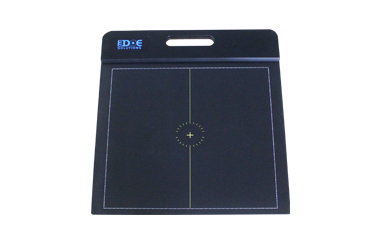
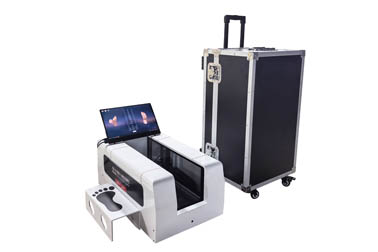
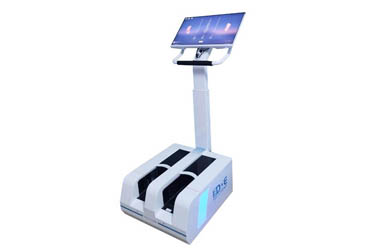
A foot pressure distribution system is basically a device that records how pressure is spread under the feet and a bunch of related numbers.
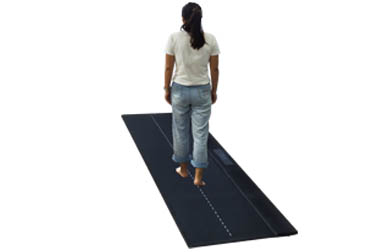
Most of the time people use it in three ways: static, dynamic, and balance testing.
When you do a static test, you get things like total pressure under both feet, how much of the sole is actually touching the ground, contact area and pressure (peak and average) under the front part of the foot, the angle the foot points, how much pressure sits on the front versus the back, what kind of arch the person has and its index, contact area under the arch, heel width and contact area, peak and average pressure under the heel, heel angle and type, plus the angle of the lower leg.
Balance testing looks at the path the center of pressure travels, the size of the support base, how far the center of pressure moves forward-back and side-to-side, average speed of that movement (overall, front-back, and left-right), the sway pattern, and the actual trajectory map.
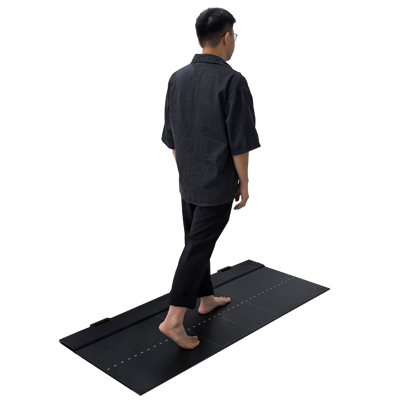
Dynamic testing gives you the pressure lines and gait paths for left and right feet, peak pressures, how long the heel stays on the ground and the force it produces, the same for the midfoot and the metatarsal area, force changes over time at key spots on both feet, foot progression angle, basic gait numbers, and some size measurements.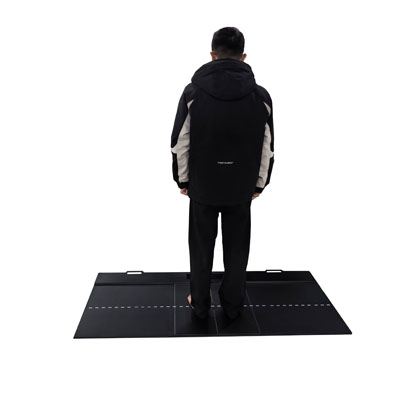
These systems get used in a few practical places:
1.Diagnosing foot and ankle issues is one of the most common. A static scan can show whether someone has flat feet, high arches, bunions, or a heel that tilts in or out.
2.After surgery—Achilles repair, foot or ankle fractures, or a bad ankle sprain—people often run a balance test on the pressure plate. It tells you if the two feet are sharing weight evenly, so you can see how recovery is going and adjust the rehab plan.
3.For stroke patients, kids with cerebral palsy, or children with clubfoot, walking patterns are usually off. The pressure data highlight exactly what’s wrong, so therapists can build more targeted exercises and later check whether those exercises are actually working.
4.In diabetic foot screening, high peak pressures flag the spots most likely to break down. Custom insoles or shoes can then take pressure off those areas and lower the chance of ulcers.
5.Making orthotic insoles is another big use. With the pressure map you can shape the insole to fit that person’s foot pretty closely. For corrective ones—flat-foot or high-arch correction especially—measuring first usually gives a better result.
6.Athletes in basketball, soccer, or track sometimes use it to see where they’re pushing off and how hard they’re landing. Coaches can then clean up bad movement habits, cut injury risk, and help performance.
7.Older people can also benefit. Balance numbers can catch early signs that the center of gravity is getting shaky or sensory feedback is fading. Simple balance drills or non-slip footwear can then be added to reduce fall risk.
 Back to list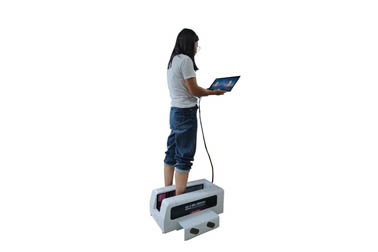


 +86-0755-86131192