
 +86-0755-86131192
 2026-08-03
 Literal Translation of the Plantar Pressure Distribution System Workflow
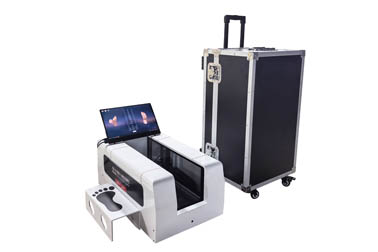
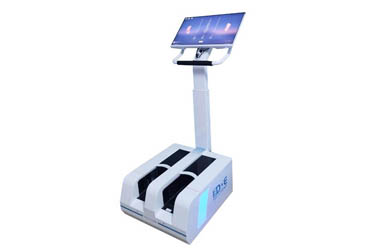
The plantar pressure distribution system is commonly applied in fields such as assisting in the analysis of gait abnormalities, diabetic foot risk assessment, sports injury prevention, and orthotic effect verification.
The process and application of utilizing the plantar pressure distribution system for evaluation are as follows:
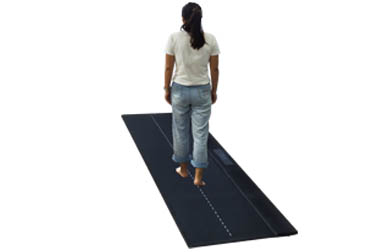
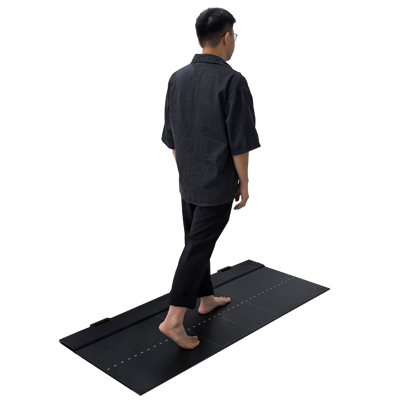
1. The person stands on the sensing area of the pressure test plate, and according to the software prompts, performs walking or standing; the entire collection process takes less than one minute, and simultaneously acquires pressure heat maps and dynamic data, and through the capture of high-density sensors, the accuracy can reach the millisecond level.
Through the collection by the plantar pressure distribution system, not only is the data comprehensive and the collection speed fast, saving energy, but also it is able to synchronously acquire analysis reports, enabling users to intuitively understand their force-bearing situations, including peak pressure, contact area, and force-bearing time proportion, etc.
2. Rehabilitation therapists or doctors, based on the collected data, conduct quantitative assessments of gait, and produce rehabilitation training plans capable of improving force distribution.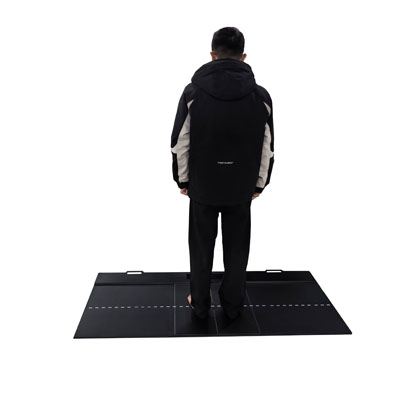
3. The solution designer imports the data measured by the pressure system into analysis software for biomechanical modeling, and then combines it with the formulated rehabilitation plan for targeted and functional design; for those with relatively serious gait problems, it is suggested to use high-speed cameras for the collection of motion capture data, and then import these data into analysis software to conduct deeper analysis, making the formulated plan possess more ideal intervention effects.
4. When formulating the plan, one can choose targeted training or assistive device intervention.
After the designer completes the interpretation of the data in the analysis software, they export the report and conduct corresponding annotations on the report, making the report able to be automatically applied in clinical diagnosis or sports guidance.
Through cloud platforms and other pathways, the processed data is imported into terminal devices or printed out for review, and the entire process is basically digital, with reports capable of being issued in a few minutes.
5. Long-term tracking and other processing of the data are conducted.
After the plan implementation, re-examination and comparison are still needed.
Which indicators need to be focused on can be adjusted according to the patient's recovery situation.
After the data analysis is completed, if one can be on-site, on-site interpretation and experience can be conducted, and if there are doubts, re-testing is conducted again.
If the patient is not on-site, it is suggested to establish a long-term file, and then make adjustments according to changes, making the treatment effect reach the most ideal state.
 Back to list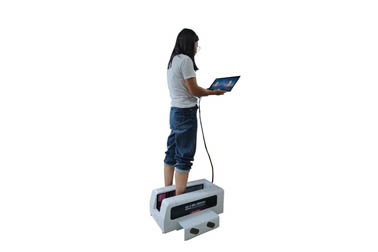


 +86-0755-86131192