
 +86-0755-86131192
 2026-07-31
Custom orthotic insoles are widely used to assist in correcting foot conditions such as flat feet, high arches, oversupination and overpronation.
Traditional manufacturing methods for custom orthotic insoles suffer from extremely low efficiency and lengthy lead times.
The measurement phase of traditional custom insole production mainly relies on plaster casting and manual caliper measurement. These methods deliver low measurement accuracy and are prone to errors. Manual measurement is subject to human subjective factors; for instance, poor concentration may lead to incorrect readings or misjudged data.
Measurement errors in manual operations generally range from 3 mm to 5 mm, and can be even larger.
Repeated major deviations or errors require repeated measurements, consuming substantial labor and time resources.
In addition, casting and post-processing are all carried out manually. The finished insoles tend to have rough workmanship, and the whole process is highly time-consuming. Customers often wait one to two weeks or longer to receive their insoles, resulting in poor customer experience.
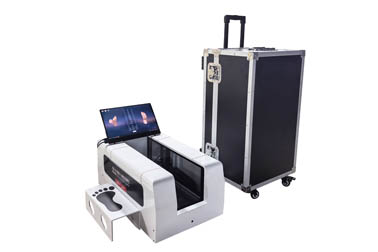
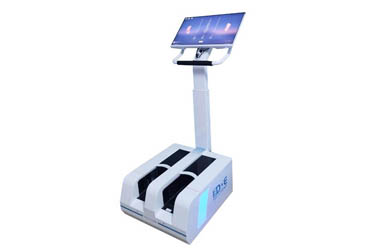
By introducing a 3D plantar scanner, the entire production workflow becomes far simpler. The whole process from measurement to finished insole takes only 30 minutes to one hour, shortening lead times and delivering better-fitting insoles for customers.
The workflow for producing custom orthotic insoles with a 3D plantar scanner is outlined below:
1.The user stands in the scanning zone of the 3D plantar scanner and follows voice prompts to complete scanning. The whole measurement takes less than one minute. A measurement report and STL 3D data can be exported simultaneously. Adopting laser scanning technology, the accuracy reaches within 0.5 mm.
Measurement with the 3D laser plantar scanner delivers high precision and fast scanning to save time. Meanwhile, a measurement report is generated, enabling users to gain comprehensive insights into their foot conditions, including dimensional data, foot health assessment and professional health recommendations.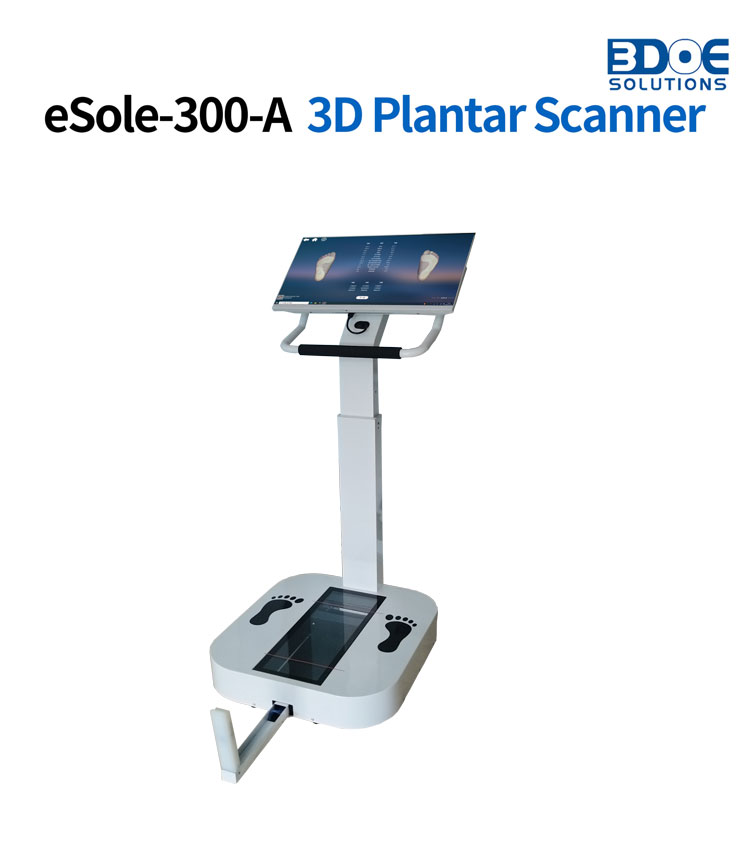
2.Based on the scanned data, physiotherapists or doctors conduct foot assessments and formulate customized insole schemes to correct foot abnormalities.
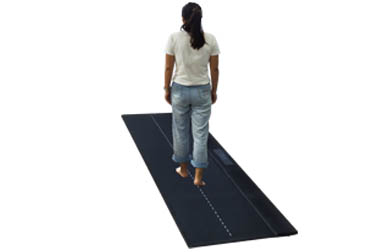
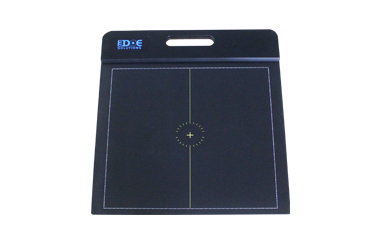
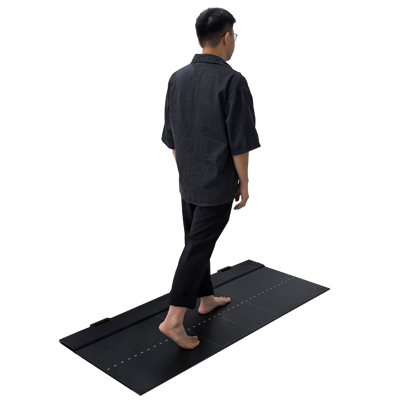
3.Insole designers import the STL data captured by the foot scanner into insole design software for 3D modeling, then carry out personalized corrective design in accordance with the correction plan. For patients with severe foot disorders, it is recommended to collect plantar pressure distribution and gait data via a plantar pressure plate. These data can be imported into the design software to achieve more precise design and deliver optimal corrective performance of the finished insoles.
4.Insoles can be manufactured using either an insole carving machine or a 3D printer.
Once designers complete the insole design in the software, they export and process the data to make it compatible for automatic operation on 3D printers or insole carving machines.
Processed data is transferred to the 3D printer or carving machine via USB drive for production. The whole process is largely automated, and a finished insole can be produced in roughly 30 minutes.
5.Carry out surface lamination and other finishing treatments for the insole.
Freshly manufactured insoles require polishing and surface lamination.
The surface material can be selected according to customer preferences.
Once finished, customers on-site can try on the insoles directly. Further optimizations can be made if discomfort occurs.
For off-site customers, follow-up consultations are recommended to conduct adjustments as needed, so as to achieve the best possible correction effect.
 Back to list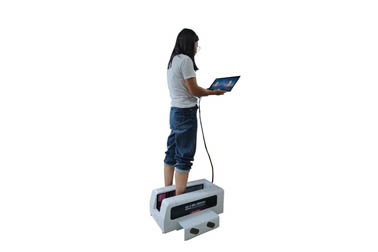


 +86-0755-86131192