
 +86-0755-86131192
 2026-04-30
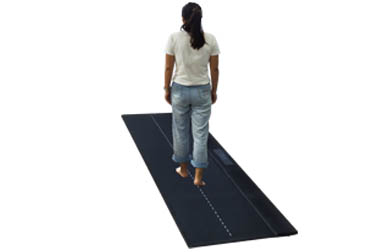
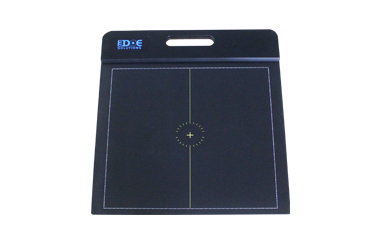
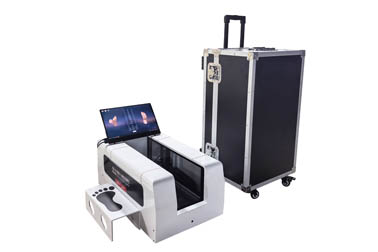
Plantar pressure gait analysis equipment is also referred to as gait analysis system, and also known as plantar pressure distribution system.
The principle adopted by this equipment is that hundreds to thousands of high-sensitivity pressure sensors are built into the surface of the pressure plate. When a person stands still on it or walks through it, the plantar pressure sensing system will collect the pressure distribution data of various parts of the sole in real time.
The plantar pressure gait analysis system can be applied in biomechanics research, screening and prevention of diabetic foot, diagnosis and orthotics of foot and ankle diseases, sports science and injury prevention, elderly health and fall prevention, gait development of children and adolescents, industrial design of footwear and rehabilitation assistive devices and other fields.
Today we mainly talk about how plantar pressure gait analysis equipment is applied in the field of diabetic foot.
1. Screening for diabetic foot
Diabetic foot is a complication of diabetes. Its main cause is peripheral neuropathy, which leads to loss of sensation in related parts of the sole and imbalance of pressure distribution. It will further develop into ulcers and infections, and even amputation is required in the end.
Through the measurement of the plantar pressure distribution system, the plantar pressure heat map can be obtained, and the pressure value of each part can be known. The risk of diabetic foot can be judged according to the pressure peak value.
Of course, this requires professional doctors to judge and evaluate based on these data.
Preliminary screening of diabetic foot is carried out through data, so that early detection and early intervention can be achieved. This can avoid the occurrence of real diabetic foot and better protect our foot health and physical health.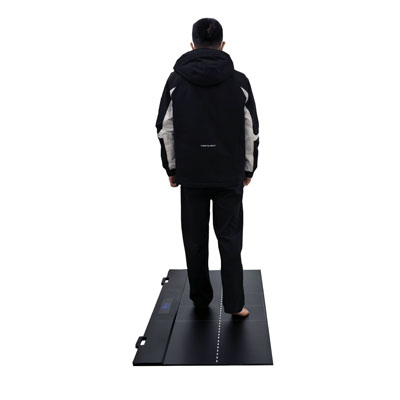
2. Intervention and treatment
When the early stage of diabetic foot is found or signs begin to appear, the data measured by the pressure distribution system can be used for scientific rehabilitation training, so as to fundamentally improve the plantar biomechanical line and plantar pressure structure, and gradually return the peak pressure distribution to the normal range.
In addition, the measured data can also be applied to the design and production of orthotic insoles. Wearing orthotic insoles can achieve corrective effects imperceptibly, make the plantar pressure distribution return to normal gradually, avoid the risk of plantar ulcers, and better maintain our foot health.
3. Monitoring before and after rehabilitation
Measuring plantar pressure distribution before and after rehabilitation can understand the recovery status of rehabilitation. With specific data reference, the rehabilitation plan can be further optimized to make the curative effect faster and better.
With specific data, rehabilitation treatment and rehabilitation training can be carried out more accurately and targeted.
In addition, regular testing is recommended after rehabilitation, which can prevent the recurrence of symptoms such as diabetic foot. Intervention can be carried out when there is a slight sign of recurrence, so as to achieve an ideal curative effect and maximize the protection of our foot health.
 Back to list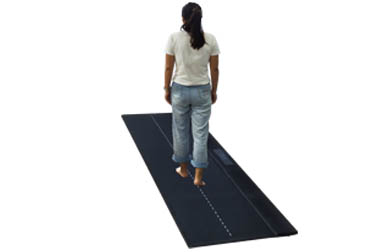


 +86-0755-86131192