
 +86-0755-86131192
 2026-08-27
The 3‑D foot laser scanner is a device that acquires three‑dimensional spatial data and relevant morphological data of a human foot in a standing‑still or seated posture in real‑time through non‑contact, high‑precision optical scanning technology.
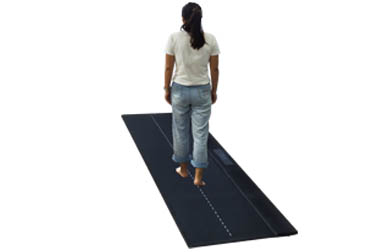
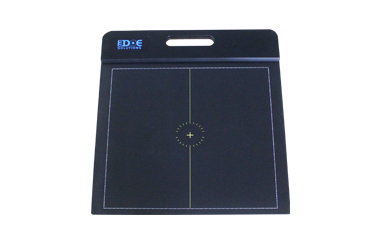
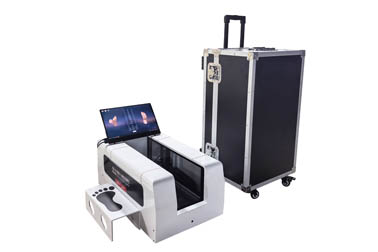
A three‑dimensional foot scanning system generally has two measurement modes, namely static standing measurement and seated measurement.
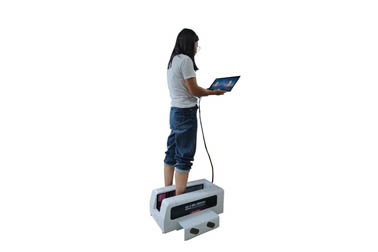
For static standing measurement, you only need to stand still on the scanning platform and wait for the scan to complete.
The measurement process is very fast, usually taking about 3‑10 seconds. During measurement, you need to keep your body relaxed and natural, and stand naturally as you normally would.
Static standing measurement is mainly used to collect foot morphology under weight‑bearing conditions, including: a three‑dimensional point‑cloud model of the foot; linear data of various regions such as foot length, foot width, instep height, foot circumference and ankle circumference; instep height, instep angle, arch height and size differences between the left and right feet; foot‑type classification indexes for screening Greek foot, Egyptian foot, Roman foot and so on.
For seated measurement, the subject shall sit on the measuring chair and place both feet in the scanning area. During measurement, keep your body in a natural state and do not apply body‑weight pressure to your feet. Relax as you would in daily life without any psychological pressure, so that the measured data can be closest to the real condition.
Seated measurement is mainly used to capture natural morphological data of the foot under non‑weight‑bearing conditions.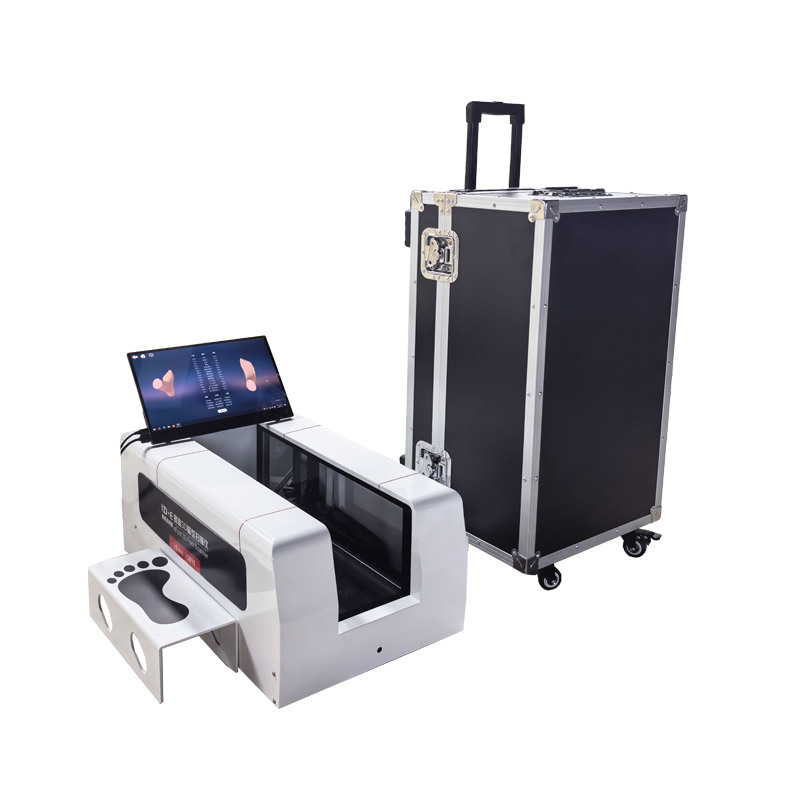
The general morphological characteristics of the foot under this state are: the foot arch is in a naturally retracted state → the foot width is not expanded under compression → the instep presents a complete low‑position shape.
Data obtained from seated measurement mainly include: non‑weight‑bearing foot length, non‑weight‑bearing foot width, non‑weight‑bearing instep height; natural foot circumference; plantar surface area; foot volume; net foot dimensions; size differences and morphological differences between the left and right feet, etc.
After the measurement is finished, a measurement report can be exported directly. All data in the report are displayed visually, allowing users to understand their foot data and foot health conditions at a glance.
In addition to the measurement report, 3‑D model files in formats such as OBJ and STL are also available for export.
The 3‑D foot laser scanner is widely applied in fields including foot orthotics, prosthetic socket customization and personalized footwear customization; screening for hallux valgus, flat foot, high arch, varus foot and valgus foot; children’s foot‑development monitoring, foot‑growth tracking and early warning of gait abnormalities; sports‑shoe last design, footwear comfort testing, shoe‑size matching recommendation and foot‑morphology research; customized 3D‑printed insole production, orthosis research and testing, physical examination, adolescent posture screening, scientific research and teaching.
 Back to list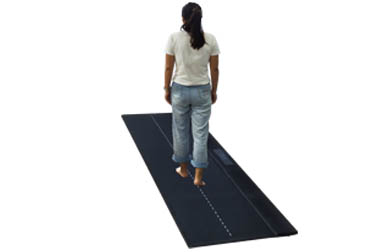


 +86-0755-86131192