
 +86-0755-86131192
 2026-04-30
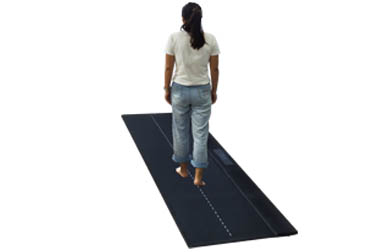
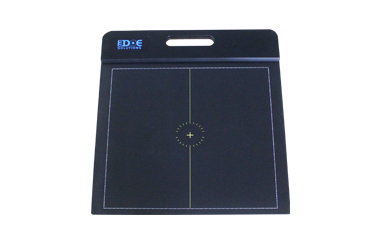
The plantar pressure gait analyzer adopts a high-sensitivity pressure sensor array to real-timely induce data such as the plantar pressure distribution of various foot parts when a human body is in static standing, walking and other states.
It plays an extremely important role in the prevention and treatment of diabetic foot, and its specific applications are as follows:
1. Early screening and identification of diabetic foot.
With the plantar pressure gait analyzer, key data including the peak plantar pressure, pressure distribution, contact area and center of pressure (COP) under static standing and walking states can be measured.
Diabetic foot is a severe complication of diabetes. Its core inducing factor is peripheral neuropathy, which leads to unbalanced plantar pressure distribution and loss of plantar sensation, further causing ulcers, infection and other problems, and even requiring amputation.
Based on the data measured by the plantar pressure gait analyzer, we can analyze the parts with unbalanced pressure distribution and the abnormal data such as excessive pressure peak at certain positions according to the pressure thermogram. Professional doctors can conduct analysis and judgment to identify and screen crowds at risk of diabetic foot.
For any disease, the best treatment method is early detection and early intervention.
If diabetic foot can be screened at an early stage through the data measured by the plantar pressure plate, early intervention can be carried out, which may prevent the further deterioration of the condition and better protect human foot health.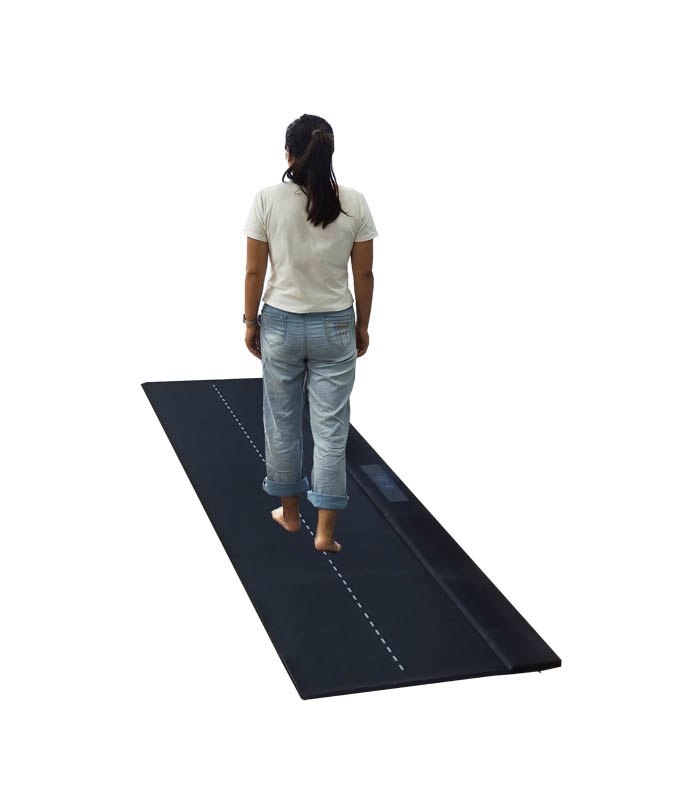
2. Implementation of personalized intervention and decompression treatment.
The data measured by the plantar pressure gait analyzer can be applied to the design and fabrication of orthopedic insoles, and such data serve as the core data for rehabilitation therapists to formulate rehabilitation plans.
According to these data, insole designers can determine where to add support and where to reduce pressure, and reduce the risk of ulcers by means of expanding the contact area to disperse pressure.
In addition, with the measured data, rehabilitation therapists can provide patients with more scientific gait training guidance plans.
Gait training can correct the abnormal weight-bearing mode, improve the plantar force bearing method, and ultimately optimize the plantar mechanical structure so as to achieve the effect of protecting foot health.
The combination of orthopedic insoles and rehabilitation training can better safeguard foot health.
3. Application in ulcer management and rehabilitation monitoring.
During the healing and treatment period of ulcers, measuring plantar pressure distribution data via the plantar pressure distribution equipment can timely detect abnormal pressure conditions, enabling early intervention to avoid ulcer recurrence.
Patients with completely healed ulcers also need regular detection to monitor the risk of recurrence. Early intervention can be conducted once abnormal data is found to prevent recurrence.
In addition, it can also be applied to subsequent rehabilitation training and the evaluation of intervention effects.
 Back to list


 +86-0755-86131192