
 +86-0755-86131192
 2026-08-07
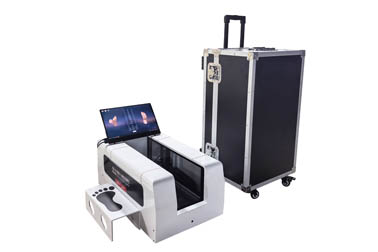
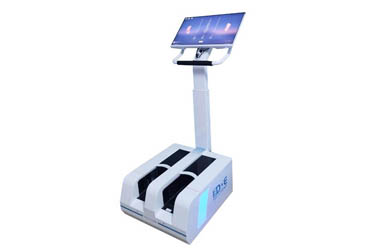
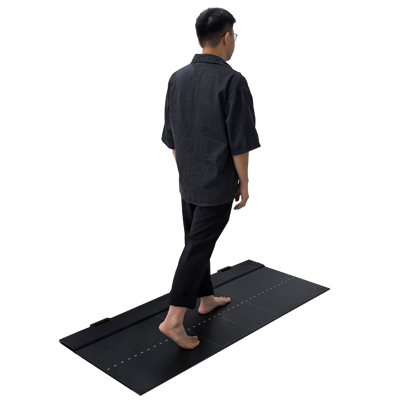
Plantar pressure-measuring instruments are also known as plantar pressure distribution systems, and some people call them plantar pressure plates.
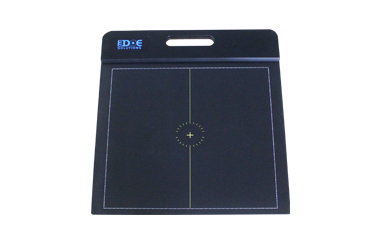
They come in many different models. Short-plate versions are roughly 500 mm in length, while long-plate options reach 1.5 meters or even 2 meters.
Products are also categorized by sensor count, with configurations featuring 5,000, 10,000, 60,000 sensing points and other specifications.
Most currently-available plantar pressure distribution systems support three main measurement modes: static measurement, dynamic measurement and balance measurement.
Such equipment mainly collects gait-related parameters including regional plantar pressure distribution, center-of-pressure trajectory and contact area when subjects stand still, walk or run.
Collected data is presented in graphic forms within supporting software. Operators can easily read various foot-related indicators and assessment findings. Data files can be exported in CSV, PDF and other formats.
Measurement reports cover dozens of key parameters. These devices find wide application in pediatric rehabilitation, orthotic insole fabrication, foot screening, elderly fall-prevention programs and athletic-performance improvement.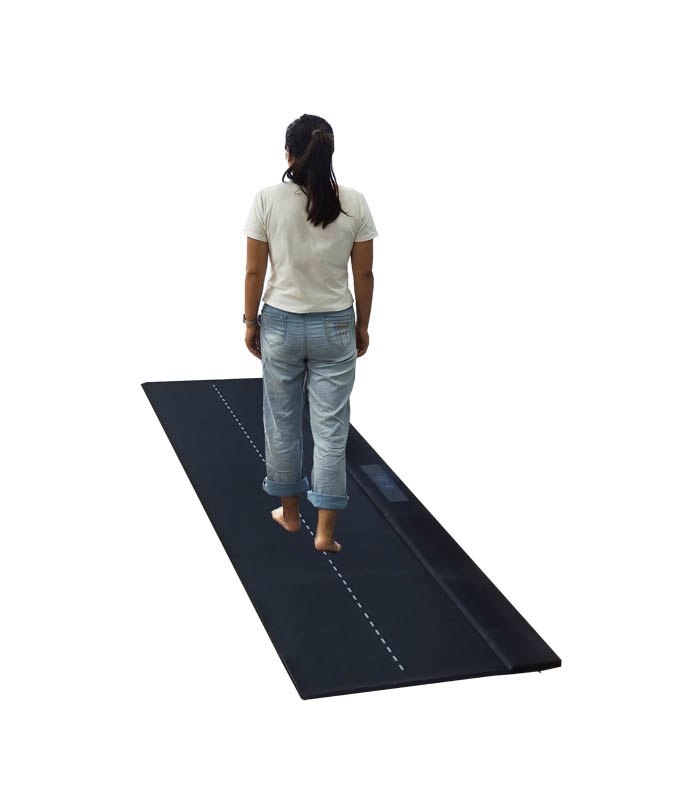
We will focus on the practical use of plantar-pressure testing equipment for children’s gait-development evaluation:
1.Assessment of flat foot, high-arch foot, foot varus and foot valgus.
Children’s feet keep developing before the age of 5 to 12. Tests carried out with plantar-pressure equipment help spot potential foot abnormalities during growth so that corrective interventions can be delivered in a timely manner.
If such conditions are not identified until adulthood, correction will become far more difficult and complete recovery is hard to achieve.
2.Screening for potential cerebral palsy, developmental delay and other disorders.
Evaluations rely on center-of-pressure trajectory, also referred to as the COP curve.
Major deviations from normative reference data may indicate risks of cerebral palsy or developmental delay. Clinicians will take these readings into account alongside other clinical evidence to complete formal diagnosis.
3.Evaluation of leg-length discrepancy, hip-joint developmental anomalies, unilateral muscle-strength imbalance and lameness.
Comparisons of bilateral plantar pressure values and contact-time differences enable targeted evaluation of leg-length discrepancy, hip-joint developmental disorders, asymmetric muscle strength and lameness.
4.Design and fabrication of orthotic insoles and ankle-foot orthoses.
Orthotic insoles and relevant ankle-foot orthoses represent common corrective interventions for flat feet, high-arch feet, foot varus, foot valgus and leg-length differences.
Rehabilitation specialists analyze captured pressure data to formulate appropriate correction plans.
Designers then produce insoles and orthotic devices following these clinical plans.
Certain software platforms accept direct import of plantar-pressure test data. The software intelligently adjusts supporting force and cushioning performance across different zones, so the finished insoles can deliver satisfying corrective outcomes.
5.Assessment of sports-related injury risks in children.
Plantar-pressure screening identifies children with unstable weight distribution or chronically abnormal load patterns. Early-stage intervention can be arranged to lower the chance of sports-related injuries.
Plantar pressure distribution systems are non-invasive and radiation-free. Test procedures are quick, so children tend to accept the assessment well. Repeated follow-up examinations are feasible. Visualized test reports also make it easier for caregivers to understand clinical findings.
Nevertheless, measurements should be performed under guidance from qualified practitioners, and final conclusions ought to be drawn through comprehensive clinical judgment by professional physicians.
 Back to list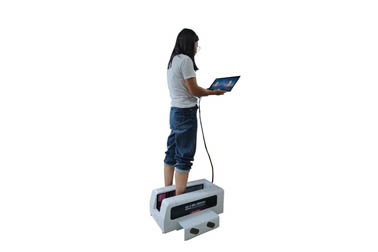


 +86-0755-86131192