
 +86-0755-86131192
 2026-07-28
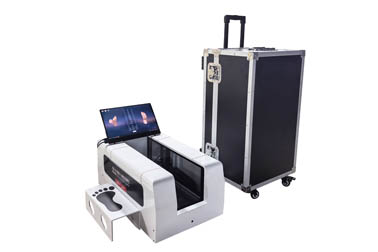
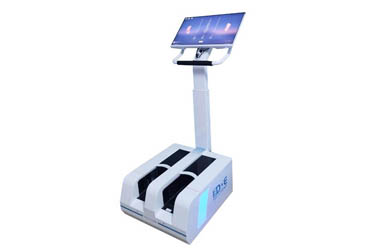
A three-dimensional laser foot scanner is equipment that collects three-dimensional morphology, arch curvature and other data of the human foot surface when a person stands still.
These data can be applied to the field of flat foot detection and assessment, and its principles are as follows:
1. Collect the collapse status of the foot arch morphology during static standing.
The height of the foot arch is also known as the arch index.
When the foot arch height value is low and the foot arch curve is excessively flat, it indicates weak foot arch supporting structures and loose ligaments in the human body, which can easily trigger plantar fasciitis, foot valgus and other conditions.
Delayed foot development in children and foot strain in adults are typically manifested as abnormal arch indexes and obvious arch collapse.
Foot arch data measured via static scanning mode can evaluate and determine the severity of flat feet. Targeted correction or orthosis fitting can be carried out based on these data.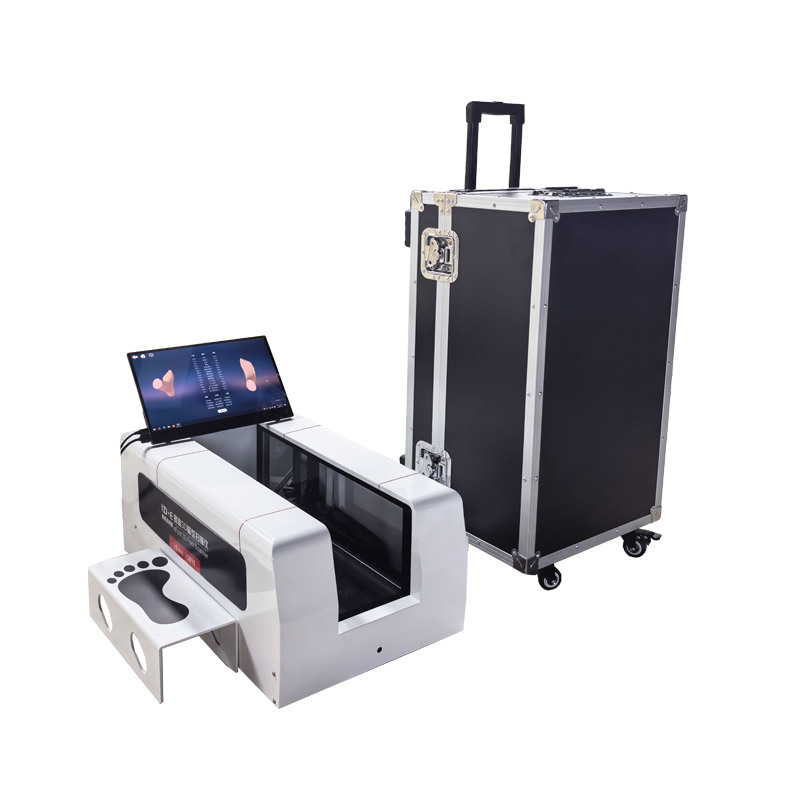
2. Make judgments according to abnormal foot force lines.
In normal human feet, the calcaneus is generally perpendicular to the ground, and the forefoot and hindfoot are aligned on a straight line.
During three-dimensional scanning analysis, if the data shows an excessively large calcaneal valgus angle, the patient may suffer from foot valgus, navicular bone descent and other problems, which further lead to abnormal gait.
If the scanning data presents forefoot abduction, it may imply insufficient plantar muscle strength and posterior tibial tendon dysfunction, which tend to cause fatigue during walking.
If the scanning data reveals severe morphological asymmetry between the left and right feet, the cause may include leg length discrepancy, unilateral flat foot and pelvic tilt.
3. Analyze changes in plantar contact area and foot volume under standing posture.
During testing, if the scanning result shows a remarkably increased plantar contact area, complete collapse of the foot arch may exist.
If the data reflects unstable dorsal foot volume, it suggests varying degrees of foot deformity and uneven distribution of supporting force.
Comprehensive data analysis enables early detection of hidden foot deformities and advance prediction of potential sports injury risks.
Rehabilitation therapists conduct comprehensive analysis relying on scanning data and formulate targeted rehabilitation plans such as foot arch training and customized orthotic insoles to achieve the goal of flat foot correction.
Regular collection of three-dimensional foot morphology and force line data before and after treatment allows evaluation of correction effects and dynamic adjustment of rehabilitation and correction plans.
 Back to list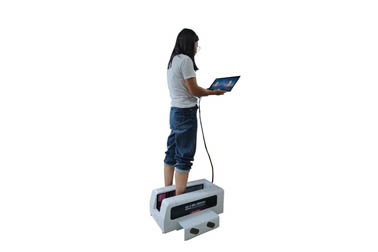


 +86-0755-86131192