
 +86-0755-86131192
 2026-07-20
Orthotic insoles can change our plantar force distribution and the
skeletal force lines of feet to correct flat feet , Orthotic insoles are orthotic assistive devices for the feet
high arches , varus foot ,valgus foot and other deformities.
For mild flat feet , high arches, foot varus, foot valgus and other foot deformities, we can use orthotic insoles to achieve obvious corrective effects.
But for moderate to severe foot deformities, targeted rehabilitation or even surgery is required to achieve satisfactory effects.
The production process of orthotic insoles is as follow:
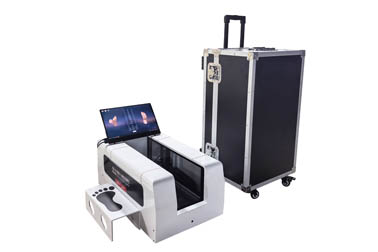
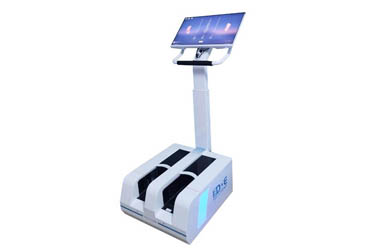
1.Acquire 3D plantar data using a 3D plantar scanner.
Adopting the principle of laser, the 3D plantar scanner conducts inspection and measurement on the sole of the foot.
It collects morphological parameters such as foot length, arch height, foot width and acquires authentic 3D data of the foot.
The measured STL 3D data can truly reflect the 3D plantar model with precision within 0.5 mm.
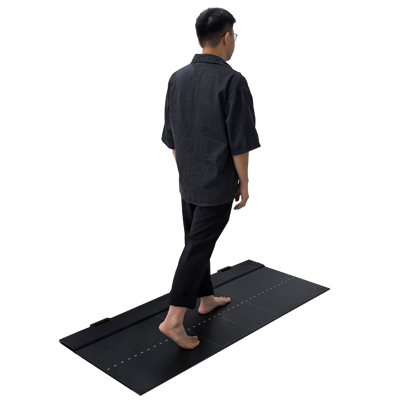
2.Collect data such as plantar pressure distribution using a plantar pressure distribution system.
It can collect the pressure distribution data of each part of the sole under static standing and walking conditions by using the plantar pressure distribution system.
With these data, we can accurately and targetedly adjust plantar force bearing and support during insole design. 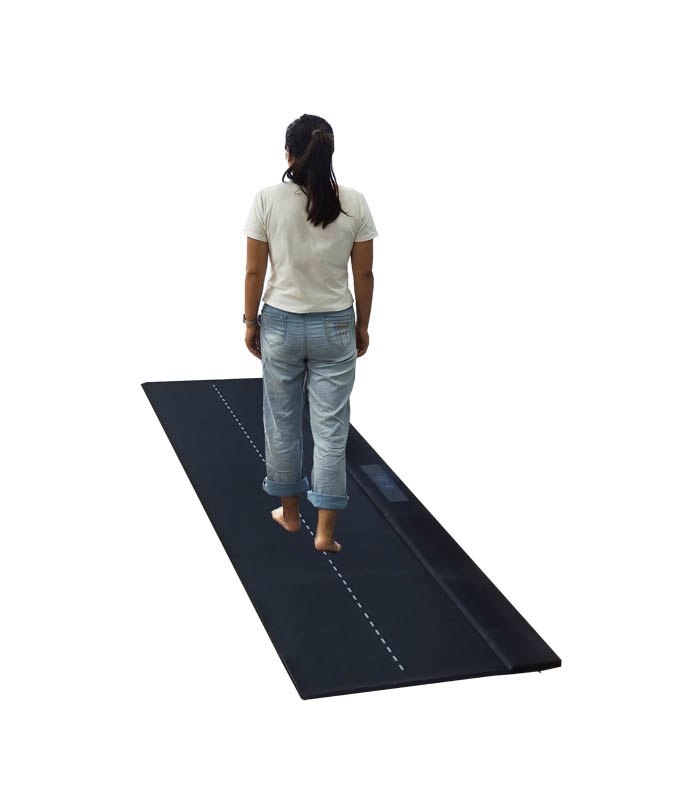
3.Formulate orthotic treatment plans. Combining 3D plantar data and plantar pressure distribution data, the system can identify the foot’s problems, such as flat feet, high arches, varus foot and valgus foot.
Based on the detected foot problem, we can create customized correction solutions.
For flat feet, increased medial arch support can achieve corrective effects.
For plantar fasciitis, enhanced arch support reduces traction on the fascia and relieves pain.
For high-arched feet, pressure on high-load zones of the forefoot and heel can be dispersed, and cushioning and shock absorption help realize orthotic effects.
4.Design insoles with professional dedicated insole design software.
Import STL and other 3D format data obtained from the plantar scanner into the insole design software for insole modeling.
After modeling, integrate the orthotic plan and import plantar pressure data to conduct plantar pressure layout design and personalized customization.
5.Manufacture insoles with 3D printers and insole carving machines.
Once the insole design is completed in professional software, export and process the data to make it compatible with insole 3D printers and carving machines.
Transmit processed data to 3D printers or carving machines via USB flash drives or other storage devices for insole fabrication.
The whole manufacturing cycle for one pair of insoles takes approximately half an hour.
6.Grind, veneer and perform other finishing processes.
After fabrication, insoles go through polishing and surface lamination to achieve a better appearance and fashion look, meeting customers’ personalized demands.
7.Deliver finished insoles to customers via express and other logistics services. In addition, regular follow-up visits to users are required to check whether the orthotic insoles achieve expected effects. If satisfactory results are not achieved, data will be recollected for design optimization to reach ideal corrective effects.
 Back to list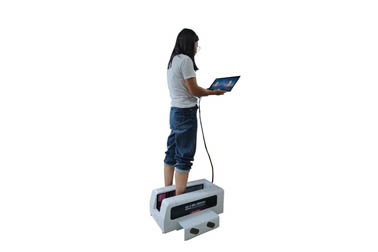


 +86-0755-86131192