
 +86-0755-86131192
 2026-06-22
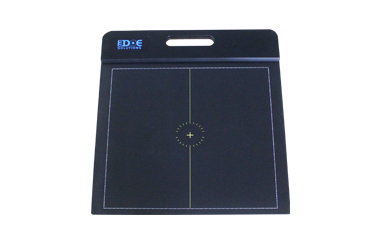
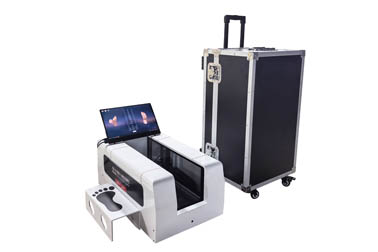
The plantar pressure distribution system adopts the principle of high-density matrix pressure sensing to detect and measure the plantar loading conditions.
The measurable data include static pressure distribution, dynamic center of pressure trajectory, forefoot-to-rearfoot pressure ratio, peak pressure points, step length, cadence, stride length, gait cycle, gait angle, balance force trajectory, and over dozens of sets of key biomechanical data.
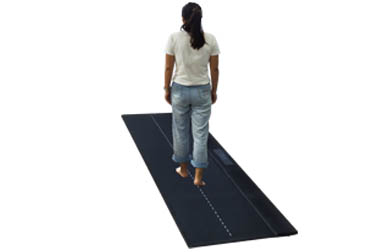
Only a few steps of walking are needed to complete the measurement, and a visualized analysis report can be generated. The report can intuitively display our plantar loading heat map and gait analysis, helping us evaluate whether there are risks of flat feet, high arches, plantar fasciitis, and unbalanced body posture.
In addition, it can simultaneously generate dynamic pressure distribution images and plantar pressure distribution data. This data can help us design and formulate functional insoles and rehabilitation training plans.
The plantar pressure distribution system can help maintain our foot health from the following aspects:
Evaluate gait abnormalities, unbalanced body posture, vestibular dysfunction, etc.
The plantar pressure distribution system can not only measure static data but also conduct in-depth analysis of dynamic data during walking in the software, helping us evaluate gait health conditions, such as screening for gait abnormalities, decreased left-right balance function, and abnormal vestibular motor abilities.
In the analysis report, specific center of pressure trajectory curves will be provided and the results will be presented.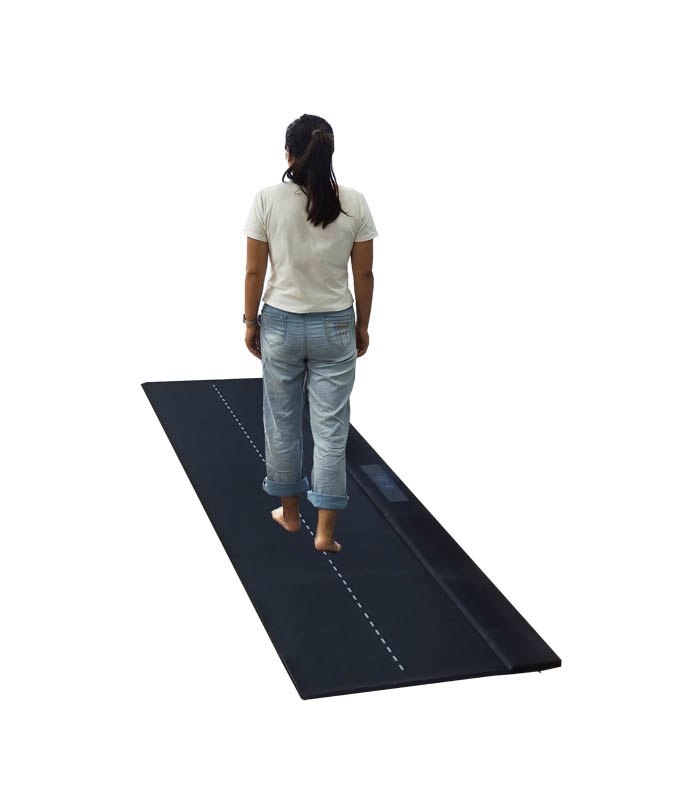
This allows us to intuitively understand our walking loading patterns and the potential causes of chronic pain.
The data can help design and manufacture corrective insoles and optimize sports postures.
Precise pressure distribution heat maps and gait parameter data can be obtained through the plantar pressure distribution system.
These data can be imported into analysis software to design personalized corrective insoles, such as conducting targeted pressure-relief designs based on peak pressure points to meet the needs of foot correction and sports protection.
Without the measurement of the plantar pressure system, relying on manual observation would miss many micro-loading deviations invisible to the naked eye, and the lack of quantitative standards for data would lead to imprecise correction plans.
With the measurement of the plantar pressure system, the formulation cycle of rehabilitation plans is greatly reduced. Patients can obtain targeted training guidance faster, which improves rehabilitation efficiency and enhances sports performance.
When our body has risks of knee joint pain, scoliosis, plantar ulcers, etc. caused by gait, intervention can be carried out through rehabilitation plans formulated with the assistance of the plantar pressure system.
It can be applied in hospitals, rehabilitation institutions, and sports science fields.
In hospitals and rehabilitation institutions, the introduction of the plantar pressure distribution system can conveniently and quickly assess motor function disorders for stroke, hemiplegia, and diabetic foot patients.
It can also be applied to compare preoperative and postoperative gait data, providing doctors with sufficient data basis for our rehabilitation process, so as to make more reasonable rehabilitation training plans and better safeguard our sports health.
 Back to list


 +86-0755-86131192