
 +86-0755-86131192
 2026-08-19
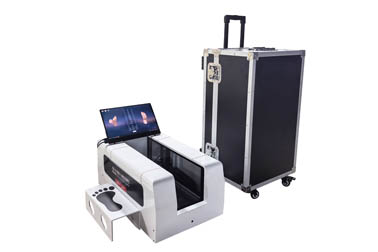
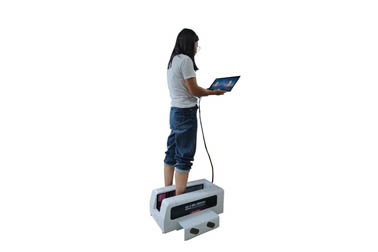
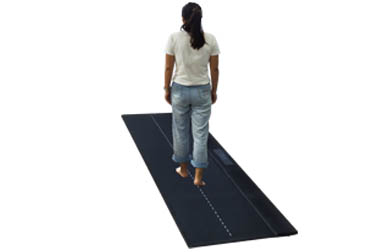
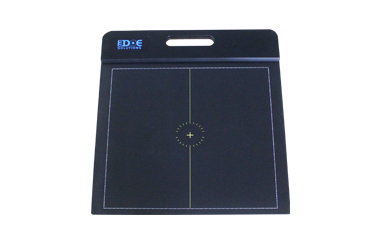
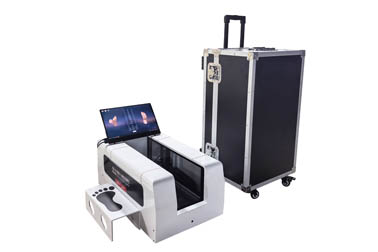
A plantar pressure gait analysis system is equipped with array-type high-sensitivity pressure sensors embedded in the pressure plate. It real-timely captures plantar pressure distribution of each foot region and relevant gait data when subjects stands still or walk.
Flat foot is one of the most common foot deformities. Its prominent feature is collapsed foot arch, which leads to obvious abnormalities in pressure distribution of the medical arch during standing and walking.
Traditional evaluation methods include footprint test, visual observation and manual physical examination. However, these methods lack accurate data support and mostly rely on experience, which are subjective and prone to misjudgment. It is also difficult to evaluate the severity of flat feet.
In contrast, the plantar pressure gait analysis system can measure objective data including plantar pressure distribution, contact area and center-of-pressure trajectory under different states. Featuring high precision and quantifiable results, it enables more accurate and objective assessment of flat feet and other foot deformities.
Two measurement modes are generally adopted for flat foot assessment with the plantar pressure gait analysis system: static measurement and dynamic measurement.
For static measurement, subjects simply stand motionless on the pressure plate with natural weight bearing on both feet, keep relaxed, look straight ahead. The whole measurement lasts only about 3 to 10 seconds.
Static measurement mainly observes the collapse of the foot arch, which is suitable for preliminary flat foot screening.
For dynamic measurement, subjects need to walk back and forth across the pressure plate for 3 to 5 passes to collect complete gait cycle data, including pressure data at heel strike, midfoot support and forefoot push-off. Other parameters such as contact area, center-of-pressure trajectory, arch index, medial-lateral pressure ratio, peak pressure and impulse are also acquired.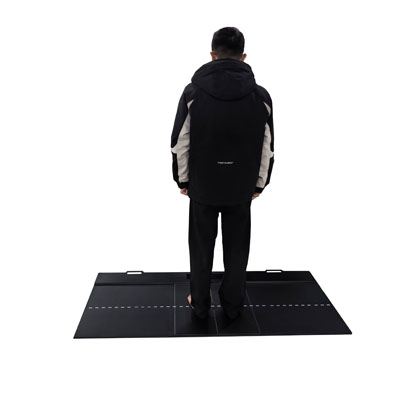
Flat feet are mostly manifested as kinetic abnormalities during walking. Therefore, dynamic measurement data delivers higher clinical value and supports more precise evaluation of flat feet.
The arch index (AI) serves as the core indicator for flat foot assessment.
Arch Index (AI) = Midfoot contact area ÷ (Heel contact area + Forefoot contact area)
A higher arch index represents a larger midfoot contact area, indicating more severe arch collapse and a worse condition of flat feet.
Nevertheless, children’s foot arches are still in the developmental stage. Diagnosis cannot depend merely on the arch index. Comprehensive analysis combining age-related reference thresholds and other data is required.
Advantages of using the plantar pressure gait analysis system for foot screening:
1.Objective and accurate data eliminates errors caused by subjective visual judgement. It is especially suitable for large-scale screening such as foot health examinations for primary and secondary school students.
2.Diverse measurement modes. Static measurement, dynamic measurement are available, and some models support balance measurement. Multiple modes allow multi-angle analysis to achieve more objective and accurate evaluation of foot health.
3.Wide range of application. Apart from screening flat feet and other foot disorders, the measured data can be used for custom orthotic insole fabrication,rehabilitation training, pre-operative and post-operative data comparison, athletic performance improvement and biomechanical research
However, data obtained from the plantar pressure gait analysis system is only for reference and cannot be used as the basis for final diagnosis.
It only reflects functional performance under weight-bearing conditions and cannot visualize bone structures. Physicians need to conduct comprehensive diagnosis combined with foot X-ray and other examination results.
 Back to list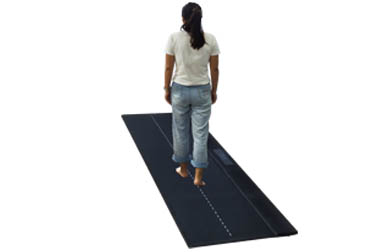


 +86-0755-86131192