
 +86-0755-86131192
 2026-06-09
Through orthotic insoles, corrections can be made for flat feet, high arches, foot varus, and foot valgus.
Especially for mild to moderate foot deformities, orthotic insoles can often achieve relatively ideal correction results.
Correction through orthotic insoles carries no significant risk and can accomplish foot correction imperceptibly; however, it simply requires a relatively long time, possibly taking 3-6 months to gradually see results.
But the advantages are high cost-performance, low risk, and inexpensive price; compared to treatments like surgery, it appears much more cost-effective and does not bring significant pain.
If making 3D orthotic insoles, what equipment is needed? What are the processes?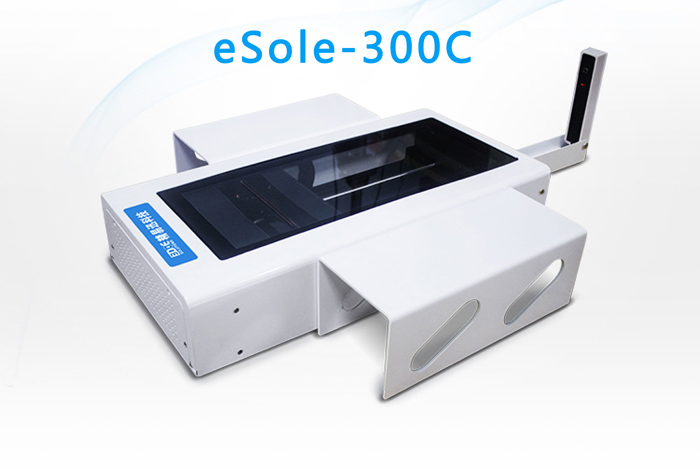
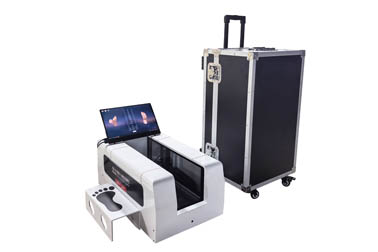
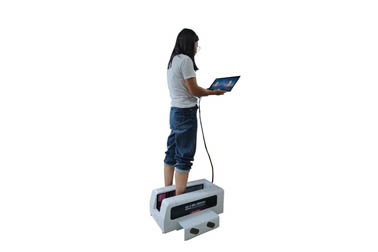
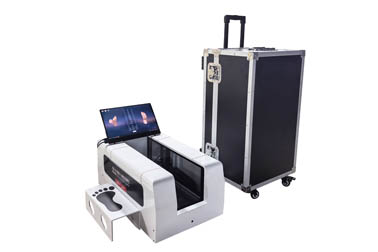
1. Plantar 3D Scanner.
This is a device that uses optical principles to perform 3D shape measurement and scanning of the sole of the foot.
Currently on the market, those with relatively high precision use laser principles to scan and measure the sole, with precision reaching 0.5mm, capable of acquiring dozens of sets of key plantar data.
It can generate measurement reports and simultaneously generate 3D data such as STL.
STL 3D data is the key data for generating the insole model.
In the past, it was necessary to acquire data through manual measurement, but the data was difficult to acquire comprehensively, and it was prone to large errors or even data errors caused by human subjectivity.
Whereas through the plantar 3D scanner, data measurement can be completed in just a few dozen seconds, without the interference of human subjective consciousness, making the data more objective and accurate.
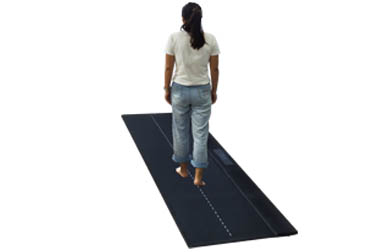
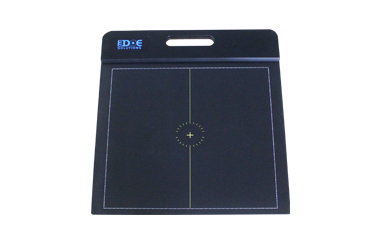
2. Plantar Pressure Distribution System.
If making functional insoles, this device is needed.
Because through the plantar pressure distribution system, precise and comprehensive plantar pressure distribution data can be acquired; through this data, doctors and rehabilitation therapists can more reasonably design functional correction plans for the insoles.
In this way, insoles made combining pressure data can achieve better correction results.
3. Insole Design Software.
Current insole design software supports the direct import of plantar 3D data and plantar pressure data, will automatically model within the software, and then combine with the data for correction design.
With the reference of precise data, insole designers can produce insoles that truly possess correction effects, capable of better guarding our foot health.
4. 3D Printer or Insole Carving Machine.
After personalized design or correction design is performed through the insole design software, export the data, then process the data into a language that the 3D printer or insole carving machine can run. Then import the processed data into the 3D printer or insole carving machine for the production of the insole.
The entire process generally only requires about half an hour to complete the production of the insole.
5. Grinding Machine and Facing Tools.
Insoles produced through the 3D printer or insole carving machine still require grinding and facing; only then will the produced insoles be more fashionable and personalized.
 Back to list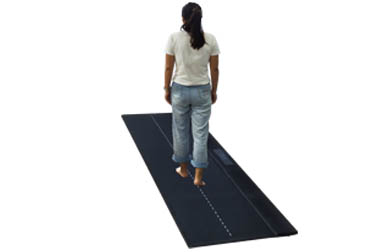


 +86-0755-86131192