
 +86-0755-86131192
 2026-06-02
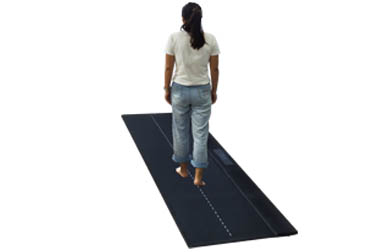
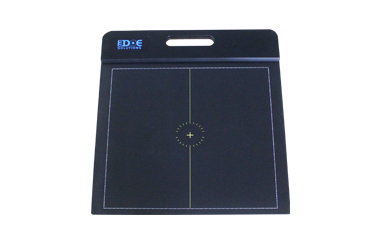
The plantar pressure plate is mainly used to obtain plantar pressure distribution data and gait data.
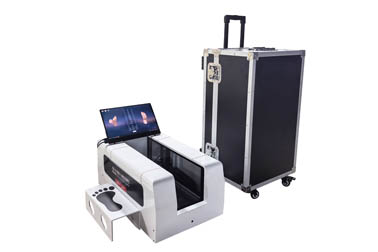
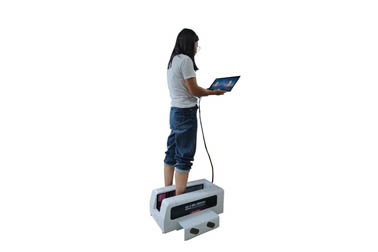
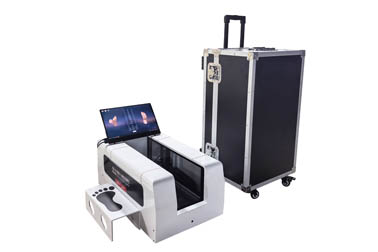
The foot scanner detects and measures foot morphological data to acquire dimension data and three-dimensional data.
In the production of functional orthotic insoles, the two devices work collaboratively with complementary data. The specific application process is as follows:
1. Obtain three-dimensional foot data via the 3D foot scanner.
Insole modeling cannot proceed without three-dimensional foot data.
It only takes dozens of seconds to get three-dimensional foot data through 3D foot scanning.
The 3DOE 3D foot scanner inspects and measures the sole based on laser principles, conducts detection from 4 to 8 viewing angles and reaches a precision of about 0.5 mm. It can generate chart-style measurement reports and 3D data in formats such as STL.
More than 20 types of foot data can be acquired, and these data can effectively support foot analysis and orthosis design.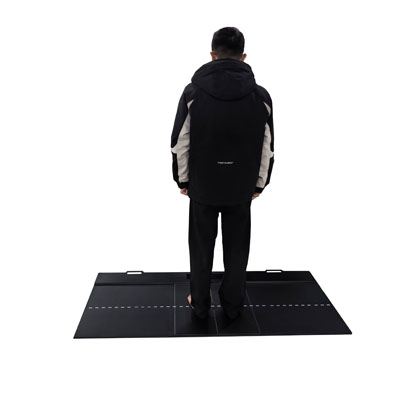
2. Collect plantar pressure distribution data with the plantar pressure plate.
Detailed plantar pressure distribution data can be collected by the plantar pressure plate.
Its available measurement modes include static measurement, balance measurement and dynamic measurement, which reflect the pressure distribution of different sole parts under various human states.
Relying on such pressure distribution data, designers can re-plan the layout of plantar pressure, confirm which positions need increased supporting force and which areas need reasonable pressure dispersion. By readjusting and redistributing plantar pressure distribution, abnormal sole pressure can be corrected back to the normal range to protect people’s foot health.
3. Produce insoles with 3D printers and insole engraving machines.
Data from the 3D foot scanner and plantar pressure plate facilitates insole design. After finishing the insole design, the finalized design data needs to be imported into a 3D printer or insole engraving machine for insole manufacturing.
Besides, follow-up procedures including polishing and surface laminating are required. These steps make the insoles not only orthopedically functional but also delicate and fashionable to meet users’ personalized requirements.
4. Conduct regular follow-up visits afterwards.
Orthotic insoles are finished, manufactured and delivered to end users.
Yet regular follow-up interviews with users are recommended.
Users are suggested to receive periodic 3D foot scanning and plantar pressure testing. Data comparison collected at different stages helps verify the practical orthotic effect of customized insoles.
Timely revisions should be arranged if the correction outcome fails to hit the expected target, so as to better protect users’ foot health.
 Back to list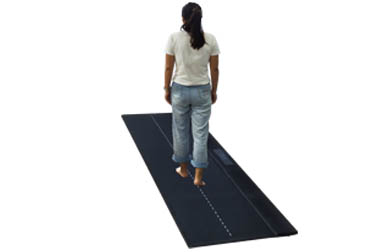


 +86-0755-86131192