
 +86-0755-86131192
 2026-05-14
Orthotic insoles are one of the effective correction methods for foot deformities.
Orthotic insoles feature high cost performance, with the general price ranging from 300 to 3000. Compared with surgical treatment, such price is affordable and will not cause major risks.
Surgical treatment is not only expensive, but also accompanied by considerable pain and relatively high risks.
Then, how to make orthotic insoles with a plantar 3D scanner?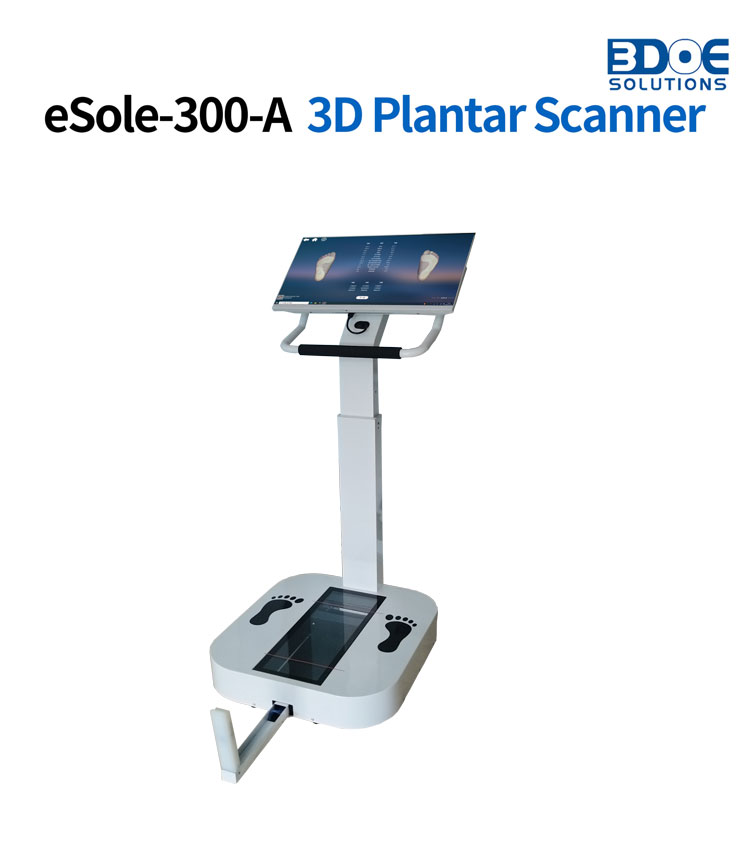
The process is briefly introduced as follows:
1. Acquire plantar 3D data via the plantar 3D scanner.
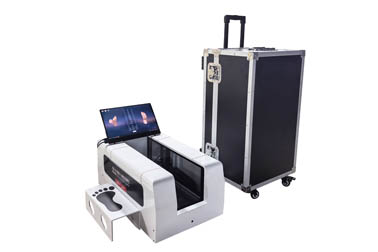
The 3DOE plantar 3D scanner boasts high accuracy within 0.5mm and fast measurement speed. It generally takes only 5 to 20 seconds to complete data collection, and obtain corresponding measurement reports as well as 3D data in STL and other formats.
The supporting software of the foot scanner adopts voice-guided operation. Users only need to follow the voice prompts to operate step by step. The operation procedures are simple and easy to master.
With the introduction of plantar 3D scanners, obtaining 3D data for insole making has become an extremely simple step. In the past, this step was the most time-consuming and prone to inaccurate data.
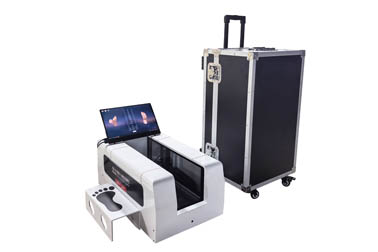
Of course, plantar 3D scanners are available in multiple specifications. Merchants can introduce suitable models according to their own budget.
2. Conduct the design of orthotic insoles.
Especially for severe high arch, flat foot, foot varus and other conditions, full customization is required, and one-on-one personalized design of insoles is needed.
Professional designers such as doctors and rehabilitation therapists are responsible for insole design.
Import the measured STL 3D data into the insole design software, and then carry out targeted design according to the measurement report to achieve the correction effect.
Some data also need to be acquired through the plantar pressure distribution system, so as to better design the plantar pressure distribution and supporting parts.
3. Import the data into a 3D printer or insole engraver for production.
After the insole design is completed, the data shall be processed into operable data for 3D printers and insole engravers, then imported into the 3D printer or insole engraver for printing and production.
After the insoles are produced, polishing and surface pasting operations are also required.
If the customer is on site, a fitting trial can be arranged.
If the customer is not on site, the insoles will be delivered to the customer by express delivery and other means.
In addition, follow-up visits to users are recommended to check the correction effect at different stages after wearing the insoles, so as to provide more suitable insoles for better foot health maintenance in the follow-up, completely cure existing foot deformities in the end, and protect customers’ foot health.
 Back to list


 +86-0755-86131192