
 +86-0755-86131192
 2026-03-27
Custom insoles are insoles designed and produced one-to-one based on the actual foot data of users.
Custom insoles include general customization, where users do not have any foot diseases, but only pursue comfort, to wear insoles that fit their feet better, and to wear insoles that are more personalized and in line with their own aesthetic standards, which is a pursuit of high-quality life.
There are also some people who have custom insoles made to correct deformed foot conditions, such as correcting flat feet, high arches, foot varus, foot valgus, etc.
Custom insoles can be made by insole carving machines or 3D printers, but early data collection generally uses plantar scanners and insole design software.
The following briefly introduces the process of making custom insoles through the collaboration of an insole carving machine and a plantar 3D laser scanner: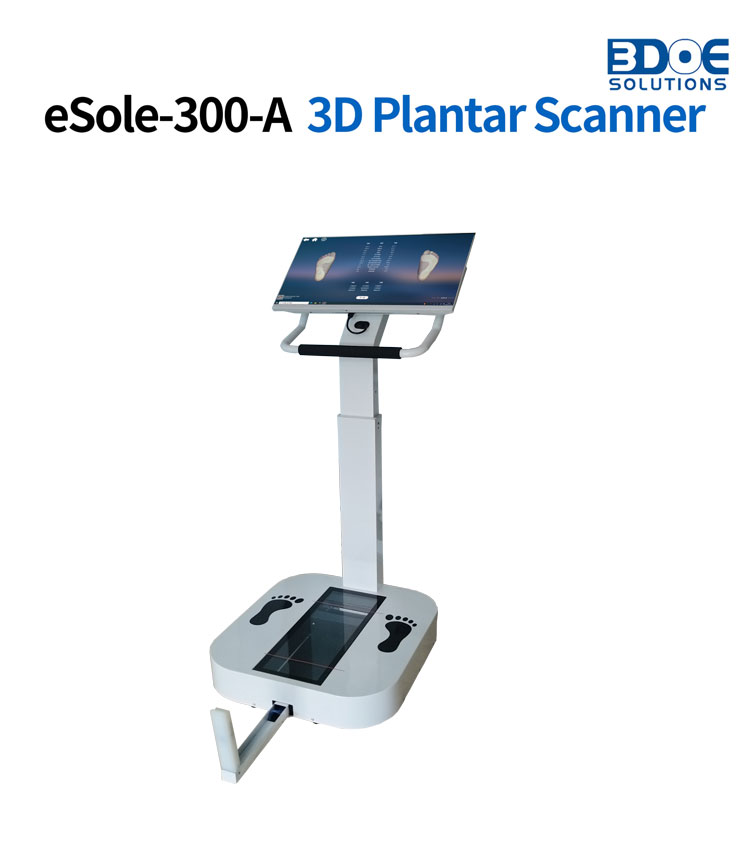
1. Acquisition of plantar 3D data.
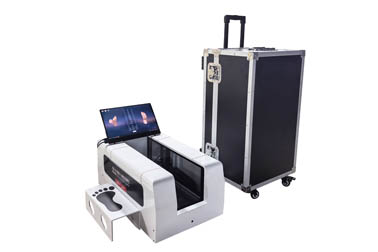
Plantar 3D data is obtained through the 3DOE plantar 3D laser scanner, and the main 3D data formats are stl, obj, etc.
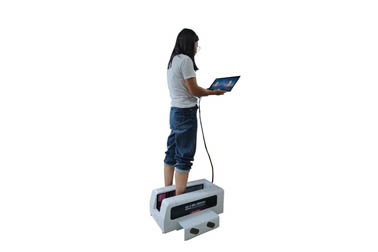
There are two ways to obtain data. One is on-site scanning: the user stands in the scanning area of the scanner for scanning and measurement. The whole process is completed in only a few dozen seconds, and the data obtained in this way is relatively accurate and closer to the real structural data of the foot.
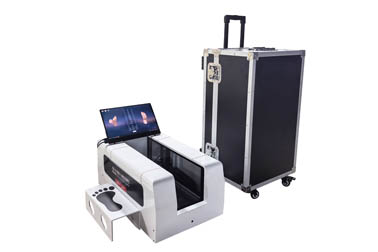
The other way is to mail a foam box to the customer, then the customer steps on the foam box to leave a real foot impression, and the customer mails the foam box with the foot impression back. Then the plantar scanner scans the foot impression on the foam box to obtain the customer's foot data. Compared with the data obtained by direct scanning and measurement on the foot scanner, this method has greater errors, but it is still more comprehensive and accurate than manual measurement.
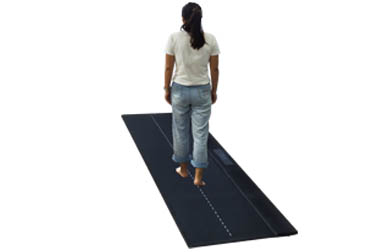
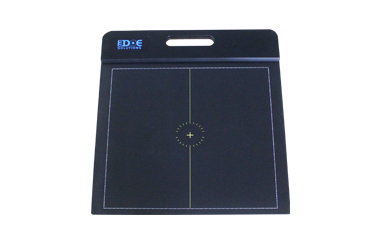
2. Acquisition of plantar pressure data through the 3DOE plantar pressure distribution system. (Optional part)
If functional insoles are to be made to correct flat feet, high arches, etc., especially those of moderate or higher severity, to achieve ideal effects, it is recommended to obtain data such as plantar pressure distribution through the plantar pressure distribution system.
Because with these data, we can carry out more targeted design to meet the needs of correction and achieve better results.
The plantar pressure distribution system generally adopts static measurement or dynamic measurement, and the measurement time is also very short, usually less than one minute.
If the insoles are customized only for comfort, measurement by the plantar pressure distribution system is not necessary. Of course, it will be better if such data is available.
3. Conduct targeted design.
In professional insole design software, the acquired 3D scanning data and plantar pressure distribution data can be directly imported, the model will be generated automatically, and key structures and pressure concentration points can be automatically identified.
The software will automatically model and set relatively important parameter standards.
Designers then conduct fine-tuning and personalized design on these key parts, such as adjusting the height of arch support, the buffer zone of the forefoot, correction wedges, etc.
4. Production through the insole carving machine.
Technicians convert the designed data into machine language, and then set some parameters, such as the selection of tool type, processing accuracy, step distance, etc. After placing the materials, the production of insoles begins.
Generally, it takes about half an hour to process a pair of insoles.
In addition, after the insole processing is completed, edge grinding, surface covering and other treatments are required.
5. Fitting and adjustment.
If the customer is on-site, he can try them on at the scene, and appropriate adjustments will be made if discomfort occurs.
If the customer is not on-site, the insoles need to be delivered to the customer by express delivery or other means.
 Back to list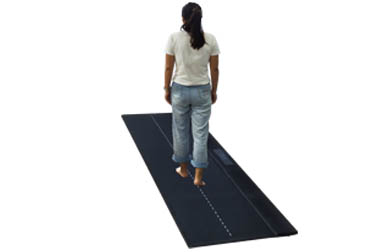


 +86-0755-86131192