
 +86-0755-86131192
 2026-01-26
In the prevention and intervention of diabetic foot, monitoring foot loading and providing risk warnings both rely on professional testing methods.
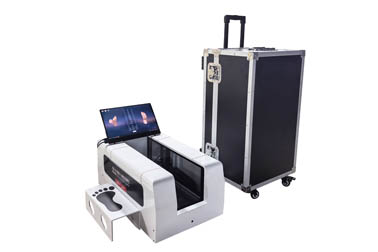
The plantar pressure distribution system is the core application device that safeguards the “foot health defense line” of diabetic foot patients.
In clinical applications, this system is a “full-process monitoring system” composed of a dynamic sensing module, a data analysis unit, and a risk assessment system.
This gives it extremely high precision, helping us capture high-pressure load points, provide ulcer risk warnings, and track post-intervention load improvements.
However, the application of this system in the field of diabetic foot is not simply about data collection, nor is it a single-dimensional monitoring method.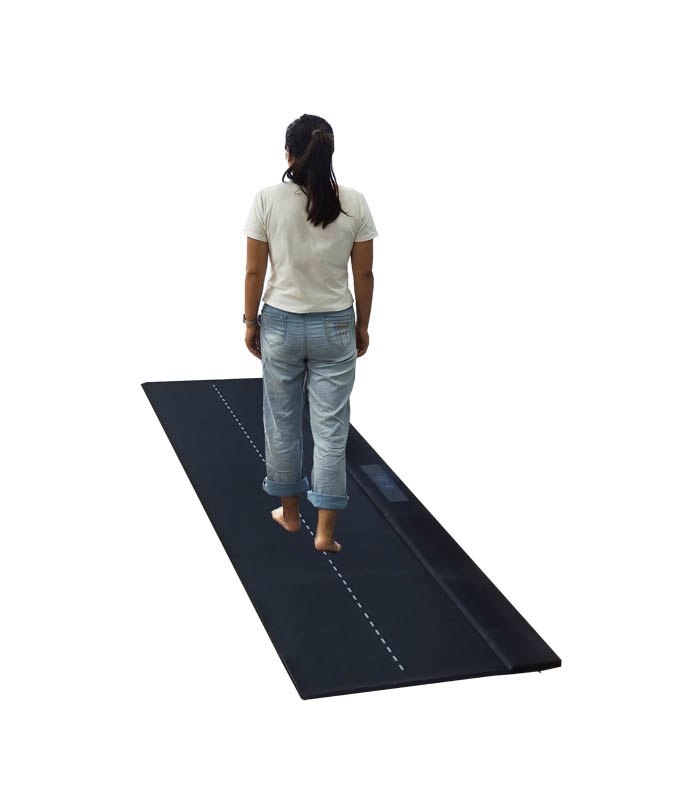
Diabetic foot patients often experience reduced foot sensation and abnormal load compensation due to neuropathy and vascular disease, and precise risk control can only be achieved through system monitoring.
If a diabetic patient has plantar pressure concentration or uneven load distribution, this directly leads to local tissue damage, greatly increasing the risk of ulcers and infections.
These potential foot risks are presented through the system as a series of characteristic signals:
Abnormal plantar pressure in diabetic foot, like hidden health hazards, issues clear risk warnings through data signals.
If a diabetic patient has already developed numbness in the feet, abnormal skin color, or other symptoms, professional monitoring using the plantar pressure distribution system is a key measure to prevent ulcer occurrence.
The system application we refer to here is standardized monitoring and intervention assistance conducted by diabetes-specialized medical staff according to the patient’s condition.
Because each diabetic patient differs in the degree of neuropathy and vascular disease and in plantar load deviation, questions such as which area is at highest risk and how protective measures should be adjusted cannot be precisely predicted through traditional visual observation or manual palpation.
This means that a targeted monitoring and intervention plan is tailored to the specific condition of a single diabetic patient.
This is also why, in diabetes specialty clinics, plantar pressure distribution data is always incorporated when developing protective plans for high-risk foot patients.
Application process of the plantar pressure distribution system in the field of diabetic foot:
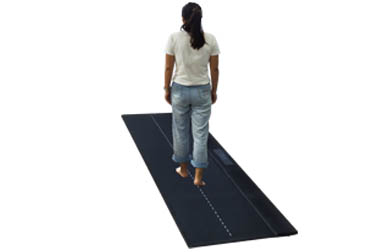
01 Use a dynamic pressure-sensing platform to record the patient’s plantar pressure during static standing and daily walking, collecting full plantar pressure data and load trajectories.
02 Use the system’s analysis module to perform layered analysis of the pressure data, identifying high-pressure risk areas and abnormal load nodes.
03 Integrate the data with the patient’s neuropathy and vascular assessments and foot skin condition to develop a personalized protection and intervention plan.
04 Based on the plan, customize offloading footwear/insoles and combine with targeted foot care guidance to achieve risk prevention and control.
This system precisely monitors the plantar pressure status of diabetic foot patients, issues warnings for potential health risks, and optimizes protection and intervention plans, thereby reducing the incidence of ulcers, protecting foot function, and improving patient quality of life.
 Back to list



 +86-0755-86131192