
 +86-0755-86131192
 2026-03-10
Plantar pressure analyzers are often used in the evaluation of diabetic foot.
So how is the evaluation performed? What principles is it based on?
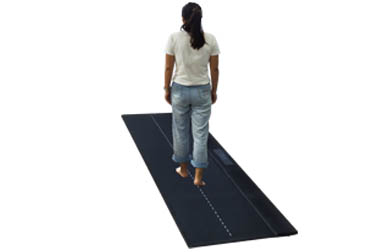
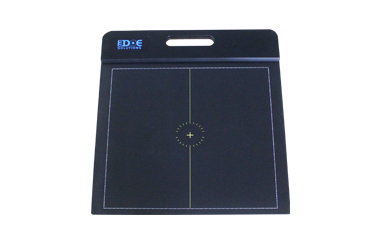
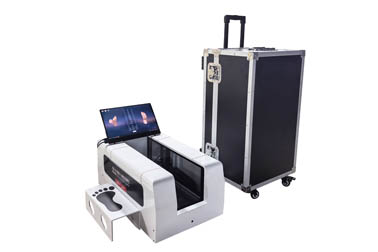
Inside the plantar pressure analyzer, a large number of pressure sensor arrays are built-in. When a person stands still on the sensor area or walks through this area, these built-in pressure sensors collect real-time pressure data and contact area of various parts of the sole, and calculate the plantar pressure distribution map and relevant gait analysis data through software.
Commonly used data in the evaluation of diabetic foot include: plantar pressure distribution, peak pressure, center of pressure trajectory, contact area, gait cycle, etc.
The most common symptoms in patients with diabetic foot are: peripheral neuropathy, decreased foot sensation, foot muscle atrophy, and foot structural deformity.
Due to these symptoms, local excessive plantar pressure, long-term compression necrosis of skin tissue, and loss of pain sensation in patients are likely to occur.
The final manifestations are: thickened cuticle, skin ulceration, and plantar ulcers.
After understanding these conditions, we can roughly know which data are highly correlated with diabetic foot.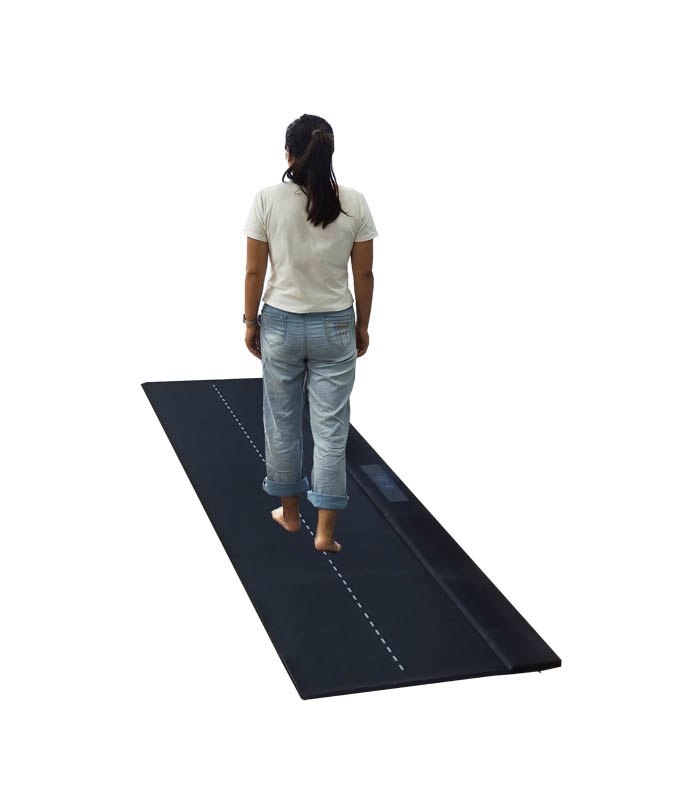
1. Peak pressure.
When the peak pressure is less than 200 kPa, it is a safe level.
When the peak pressure is between 200 and 300 kPa, it is a medium-risk level.
When the peak pressure is greater than 300 kPa, it is a high-risk level, and special attention should be paid at this time.
2. Pressure distribution.
In addition to peak pressure, pressure distribution also needs to be observed.
Normal plantar pressure is mainly distributed in the heel, lateral arch, and forefoot, with relatively uniform pressure among these three areas.
In diabetic foot, pressure is generally more concentrated on the forefoot, especially at the first metatarsal head, with very high local pressure.
On the pressure map, these areas will show intense red color.
3. Pressure duration.
In addition to pressure magnitude and peak value, pressure duration also needs to be considered.
For example, when the pressure on a certain plantar area is high and lasts for a long time, the risk of tissue damage in this area will increase significantly.
4. Combined with gait analysis.
Diabetic foot may also lead to unstable gait, abnormal center of gravity transfer, gait deviation, etc.
Of course, the core purpose of the detection is not to diagnose diabetic foot, but for early prevention.
It is to predict the risk of possible diabetic foot so that preventive measures can be taken in advance.
 Back to list


 +86-0755-86131192