
 +86-0755-86131192
 2026-01-26
In foot health screening programs, precise foot shape acquisition and standardized structural evaluation both rely on efficient testing equipment.
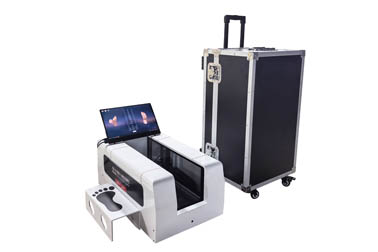
The plantar laser 3D scanner is the core device that ensures “data accuracy” in foot screening.
In application scenarios, the scanner is a “static precision acquisition system” composed of a laser emission module, a 3D imaging unit, and a data processing system.
This gives it strong professionalism, helping us capture the 3D contours of the foot, reconstruct structural details, and precisely record the morphological characteristics of bones and soft tissues.
However, the use of this scanner is not simply a matter of shape scanning, nor is it a rough contour capture.
Foot screening requires accurately distinguishing physiological developmental differences from pathological structural abnormalities, and standardized data can only be fully preserved through static laser scanning.
If abnormalities in arch morphology or foot structural asymmetry are present during screening, they will be directly and intuitively reflected in the 3D data, providing core evidence for subsequent evaluation.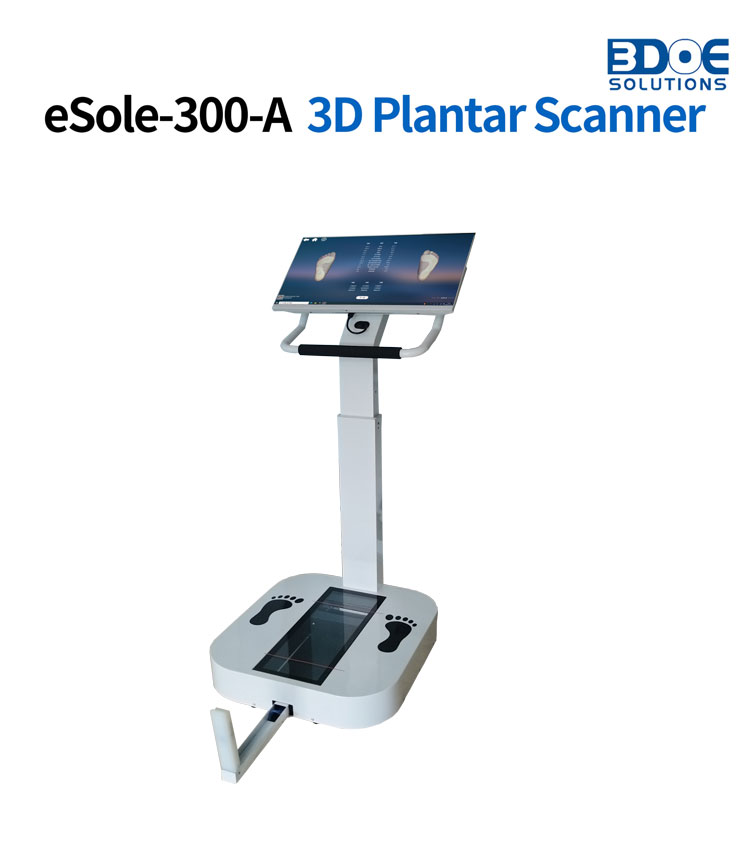
These structural features are clearly represented in the scanning data through a series of quantifiable indicators:
Subtle abnormalities in foot structure, like hidden health signals, are fully restored in their essential characteristics through 3D data.
If a screening program requires precise identification of foot structural problems and the creation of health records, using a plantar laser 3D scanner for testing is an excellent choice to improve screening quality.
The laser scanning testing we refer to here is a static acquisition service conducted by professional medical personnel according to standardized procedures.
Because each examinee’s foot shape and structural characteristics vary significantly, questions such as which specific area has abnormalities and the magnitude of morphological deviations cannot be precisely quantified through traditional manual measurement or visual observation.
This means that a precise foot scanning report corresponds only to the static foot characteristics of a single examinee.
This is also why, in professional foot screening programs, standardized testing must use a plantar laser 3D scanner.
Plantar laser 3D scanner foot screening process:
01 Record the plantar morphology of the examinee during static standing using laser scanning technology, and collect complete 3D structural data.
02 Use the data processing system to model and analyze the 3D scanning data, reconstructing the three-dimensional structure of the foot.
03 Integrate the scanning data and combine it with foot health standards to carry out standardized screening and evaluation of structural morphology.
04 Generate a personalized screening report, marking core morphological indicators and providing a basis for subsequent intervention or health guidance.
This scanner precisely captures static 3D foot data, restores structural morphological characteristics, and improves screening accuracy, thereby standardizing the screening process, enabling early detection of potential issues, and establishing health records.
 Back to list


 +86-0755-86131192