
 +86-0755-86131192
 2026-11-27
How a Plantar Pressure Distribution System Transforms Insole Manufacturing
Insole manufacturing is evolving toward more biomechanically informed, functional, and personalized product development. Traditional methods based on visual foot assessments, static impressions, and practitioner experience alone are no longer sufficient to meet the growing demand for corrective support, rehabilitation, comfort, and athletic performance.
A plantar pressure distribution system provides manufacturers and foot care professionals with a more data-driven approach to insole design. By capturing pressure distribution across the foot at high sampling rates and analyzing pressure patterns during standing and walking, plantar pressure technology offers valuable insights into how the foot interacts with the ground.
For insole manufacturers, this technology creates new opportunities to improve product development, enhance assessment efficiency, and move beyond generic insoles toward functional, customized solutions tailored to individual biomechanics.
As consumer expectations continue to evolve, pressure-based assessment is becoming an increasingly valuable tool for businesses looking to differentiate their products, improve customer experiences, and compete in the growing personalized footwear and orthotics market.
What Is a Plantar Pressure Distribution System?
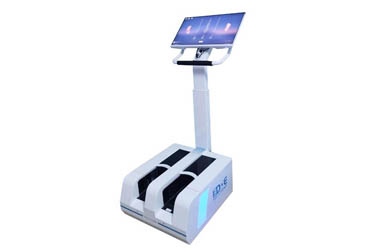
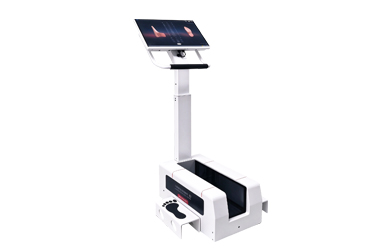
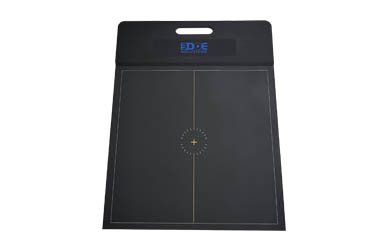
A plantar pressure distribution system, commonly known as a plantar pressure plate or foot pressure measurement system, uses an array of sensitive sensors to measure how pressure is distributed across the plantar surface of the foot.
Depending on the technology, these systems may use capacitive sensors, resistive sensors, or other pressure-sensitive measurement technologies to collect plantar pressure data during static standing and dynamic walking.
The collected data is visualized through pressure maps, color-coded heatmaps, and gait analysis reports, allowing professionals to better understand how the foot loads and moves throughout the gait cycle.
Compared with traditional visual assessment or manual palpation, a plantar pressure distribution system can provide additional quantitative information, including:
Peak plantar pressure and pressure distribution across different foot regions
Center of pressure (COP) trajectory during standing and walking
Forefoot loading patterns and metatarsal pressure distribution
Heel strike patterns and heel loading characteristics
Changes in pressure throughout the gait cycle
Left-right loading asymmetry
Foot loading patterns associated with arch support requirements
Dynamic gait characteristics and foot-ground interaction
These measurements can help inform insole design, arch support development, cushioning selection, pressure relief strategies, gait assessment, and individualized orthotic solutions.
The value of plantar pressure technology lies not simply in generating colorful pressure maps, but in providing measurable information that can support more informed design and clinical decisions.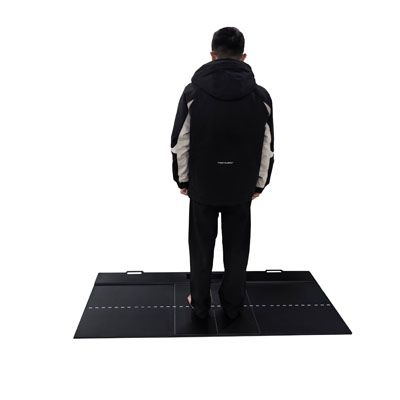
Key Applications of Plantar Pressure Plates in Custom Insole Manufacturing
1. Improving Functional Insole Design and Product Development
Plantar pressure analysis plays an important role in the design and development of functional insoles.
Traditional insole development often relies on a combination of technician experience, standard design templates, static foot impressions, and repeated wear testing. However, people with similar arch heights can have very different walking patterns, loading characteristics, and pressure distribution.
For example, two individuals with similar foot structures may exhibit different forefoot loading, heel strike patterns, pressure concentration areas, and weight transfer characteristics during walking. A standardized insole design may therefore provide different levels of comfort and support for each individual.
By integrating a plantar pressure distribution system into the product development process, designers can gain a more objective understanding of foot loading patterns and use this information to refine insole geometry and functional features.
Pressure data can help manufacturers:
Optimize arch support positioning and support geometry
Identify areas of excessive plantar pressure
Improve cushioning and shock absorption in targeted regions
Refine forefoot support and metatarsal relief designs
Develop insole structures for different gait patterns
Reduce repeated prototyping and product fitting adjustments
Create more specialized insole designs for different consumer groups
This data-driven approach helps manufacturers move from conventional mass-produced designs toward more functional, biomechanically informed products.
Digital assessment and product development can also improve manufacturing efficiency, support product innovation, and strengthen competitiveness in an increasingly personalized insole market.
2. Designing and Manufacturing Custom Orthotic and Sports Insoles
As consumers become more aware of foot health, they increasingly expect insoles to offer more than cushioning and comfort. Many are looking for better arch support, pressure relief, improved walking comfort, and support for specific foot conditions or athletic activities.
Personalized insole solutions are becoming increasingly important in the orthotics, sports, and foot care markets.
A plantar pressure distribution system provides valuable assessment data that can support the design and customization of orthotic insoles and sports insoles. By analyzing individual pressure patterns, manufacturers and foot care professionals can make more informed decisions about support structures, cushioning zones, and pressure redistribution features.
Common applications include:
Flat feet: Developing insoles with customized arch support and load distribution strategies.
High arches: Designing cushioning and support features to accommodate pressure concentration across the foot.
Diabetic foot care: Supporting the development of pressure-relieving insoles designed to reduce localized loading and help protect high-risk areas.
Gait abnormalities: Assessing loading patterns associated with different gait characteristics to inform customized insole design.
Sports performance: Developing activity-specific insoles that address loading patterns, cushioning needs, and foot support requirements.
Custom orthotics: Incorporating plantar pressure data into personalized design and digital manufacturing workflows.
For businesses that manufacture custom insoles, pressure analysis can help establish a more structured workflow from assessment and data interpretation to design, production, and fitting.
When combined with clinical expertise, foot scanning, gait analysis, and appropriate fitting procedures, plantar pressure data can contribute to more individualized solutions and a better customer experience.
3. Supporting Insole Retail and Personalized Insole Recommendations
Plantar pressure technology is also becoming increasingly useful in retail environments, particularly in specialty footwear stores, orthotic clinics, sports stores, and custom insole centers.
In traditional insole retail, customers may have to try multiple products before finding a suitable option. Staff often rely on visual assessment, customer feedback, and product knowledge to recommend insoles.
However, different insole brands, materials, arch support designs, and cushioning structures can produce significantly different wearing experiences. Without a structured assessment, selecting the right product can be challenging.
A plantar pressure plate can help retailers make the selection process more data-driven and efficient.
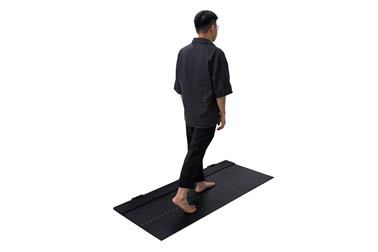
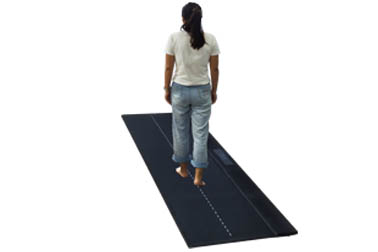
Customers can stand on the platform or walk across it for a brief assessment, allowing staff to visualize plantar pressure distribution and identify areas that may require additional support or cushioning.
Based on the assessment, retailers can provide more informed recommendations regarding:
Arch support options
Cushioning and pressure relief
Forefoot support
Heel stability
Different insole types for daily wear, work, or sports
Potential need for customized insole solutions
This approach can make the customer experience more interactive and informative. Instead of relying entirely on trial and error, customers can better understand their foot loading patterns and the reasoning behind product recommendations.
For retailers, plantar pressure assessment can also help strengthen professional credibility, improve customer engagement, and differentiate the business from conventional footwear and insole stores.
Why Digital Pressure Analysis Matters for the Future of Insole Manufacturing
The insole industry is gradually moving toward more personalized, data-driven product development. Consumers increasingly expect products that address their individual foot characteristics, activity levels, comfort preferences, and support requirements.
A plantar pressure distribution system can help businesses bridge the gap between foot assessment and functional insole design by providing measurable information about plantar loading and gait behavior.
When integrated into a digital workflow, pressure assessment can support product development, customized manufacturing, professional fitting, and retail recommendations.
For insole manufacturers, orthotic providers, sports footwear businesses, and foot care centers, investing in plantar pressure measurement technology is not simply about adding another assessment device. It is about building a more informed approach to product design, customization, and customer service.
As the market continues to evolve, businesses that combine biomechanical assessment, digital design, manufacturing expertise, and professional interpretation will be better positioned to develop differentiated products and meet the growing demand for personalized foot care solutions.
How 3DOE Supports Digital Foot Assessment and Insole Development
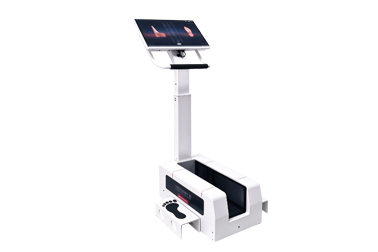
3DOE provides plantar pressure measurement solutions designed to help businesses collect, visualize, and analyze foot pressure data for professional assessment and product development.
By integrating plantar pressure measurement into insole design, orthotic assessment, and retail workflows, businesses can gain valuable insights into foot loading patterns and make more informed decisions about functional support and customization.
Whether you are developing functional insoles, manufacturing custom orthotics, optimizing sports insole designs, or upgrading your retail assessment capabilities, plantar pressure measurement technology can help create a more data-driven and efficient workflow.
The future of insole manufacturing is moving toward greater personalization, better biomechanical understanding, and more precise product development. Digital plantar pressure analysis is an important part of that transformation.
 Back to list


 +86-0755-86131192