
 +86-0755-86131192
 2026-11-27
The footwear industry is undergoing a major transformation driven by digital technology, automation, and growing demand for personalized products. Traditional methods of measuring foot length and width and relying on experience to determine shoe fit are becoming increasingly inadequate for today's footwear manufacturers, designers, and retailers.
A foot 3D laser scanner provides a more advanced solution by capturing detailed foot measurements and 3D anatomical data. This technology enables footwear businesses to improve product development, optimize shoe last design, manufacture personalized footwear, and deliver more accurate shoe-fitting recommendations.
As consumers increasingly prioritize comfort, fit, and personalization, 3D foot scanning is creating new opportunities for footwear businesses to move beyond traditional standardized sizing and adopt more data-driven approaches to footwear design and manufacturing.
For shoe manufacturers, footwear brands, custom footwear businesses, and retailers, integrating 3D foot scanning technology into their operations can help streamline workflows, improve product development efficiency, and create a more competitive advantage in an evolving market.
What Is a Foot 3D Laser Scanner?
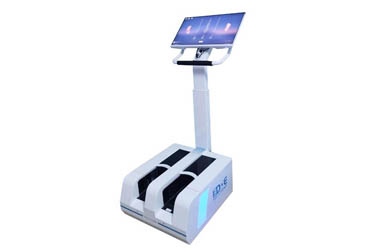
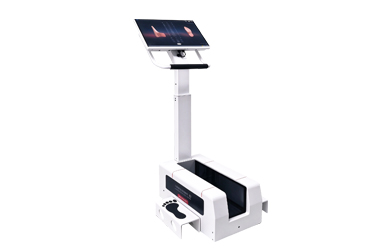
A foot 3D laser scanner is a digital measurement device that uses optical technologies, such as laser scanning, to capture the shape, dimensions, and anatomical characteristics of the human foot.
Unlike traditional manual measurement methods, which typically focus on a limited number of dimensions, a 3D foot scanner can capture comprehensive foot geometry and generate a digital 3D model for further analysis, design, and application.
Depending on the scanning technology and system capabilities, key measurements may include:
Foot length and width
Forefoot width and metatarsal dimensions
Arch height and arch geometry
Heel width and heel shape
Overall foot contours and surface geometry
Foot volume and anatomical proportions
Differences between the left and right feet
These digital measurements provide a valuable foundation for footwear design, shoe last development, custom insole production, size recommendation systems, and personalized footwear manufacturing.
By converting physical foot measurements into digital data, footwear businesses can improve their understanding of individual foot shapes and use more objective measurement information throughout the product development and fitting process.
Key Applications of 3D Foot Scanners in the Footwear Industry
1. Shoe Last Design and Development
The shoe last is one of the most fundamental components of footwear design. Its geometry influences the shoe's overall shape, fit, internal space, comfort, and construction.
Traditional shoe last development often relies on standard sizing systems, designer experience, manual measurements, physical prototypes, and repeated fitting adjustments.
However, foot anatomy varies significantly between individuals. Even people with similar foot lengths may have different forefoot widths, arch heights, heel shapes, foot volumes, and toe configurations.
These differences make it challenging for conventional shoe lasts to accommodate the diverse needs of today's consumers.
A foot 3D laser scanner allows footwear designers to capture detailed foot geometry and use digital measurement data as a reference during shoe last development. Instead of relying exclusively on standardized dimensions and subjective fitting feedback, designers can make more informed adjustments based on actual foot shape.
3D foot scanning can support shoe last development by helping designers:
Optimize shoe last length, width, and internal volume
Improve toe box space and forefoot fit
Adjust last geometry to accommodate different foot shapes
Develop footwear for specific consumer groups and fit requirements
Reduce unnecessary prototype iterations and fitting adjustments
Improve the consistency of digital footwear development workflows
By integrating 3D foot scanning into footwear design, manufacturers can build a more efficient digital development process, improve product fit, and respond more effectively to changing consumer expectations.
2. Custom Footwear and Personalized Insole Manufacturing
Consumers today expect footwear to offer more than attractive styling, brand recognition, and standard sizing. Comfort, individual fit, and the ability to accommodate unique foot characteristics are becoming increasingly important purchasing considerations.
This is driving growing interest in personalized footwear and custom insole solutions.
A 3D foot scanner makes it possible to collect individual foot measurements and convert them into digital data that can support custom product design and manufacturing.
Instead of relying entirely on standard shoe sizes, businesses can use 3D foot geometry to develop products that better accommodate the customer's specific foot dimensions and shape.
Common applications include:
Custom insole design and production
Personalized shoe last development
Custom-made shoes for unique foot shapes
Footwear for wide feet, narrow feet, and other fit variations
Personalized footwear product development
Foot support and accommodation solutions
Digital manufacturing workflows for custom shoes and insoles
For custom footwear manufacturers, 3D foot scanning can help connect measurement, design, and production into a more integrated digital workflow.
Accurate digital foot data provides designers with a more reliable starting point for product customization, helping reduce reliance on manual measurements and repeated adjustments.
This approach can improve production efficiency, support more consistent product development, and enable businesses to expand their personalized footwear offerings.
3. Footwear Retail, Smart Shoe Fitting, and Insole Recommendations
Traditional footwear retail often relies on customers trying on multiple pairs of shoes before finding a suitable fit.
Sales associates typically recommend products based on shoe size, brand sizing information, customer feedback, and their own experience. However, shoe sizing can vary considerably between brands, styles, and product designs.
A customer who wears the same shoe size across different brands may still experience significant differences in fit. This can lead to uncomfortable purchases, poor customer experiences, and unnecessary returns or exchanges.
A foot 3D laser scanner can help make footwear fitting more efficient and data-driven.
Customers can stand on a scanning device to have their feet measured in approximately 20 seconds, depending on the device. The system can then provide digital foot measurements to help retailers recommend more suitable shoe sizes, footwear styles, and insoles.
For footwear retailers, 3D scanning technology offers several potential benefits:
Faster and more convenient foot measurement
More personalized shoe and insole recommendations
Reduced dependence on trial-and-error fitting
Improved customer confidence during purchasing
Potentially fewer returns caused by incorrect sizing
A more professional and technology-driven shopping experience
New opportunities for personalized footwear and insole sales
By introducing foot 3D scanning into retail stores, footwear businesses can differentiate themselves from traditional competitors, provide more value to customers, and create a more engaging shopping experience.
Why Foot 3D Scanning Is Becoming Important for Footwear Businesses
The growing adoption of 3D foot scanning is closely connected to broader changes in footwear manufacturing and consumer purchasing behavior.
The Shift Toward Digital Footwear Manufacturing
Digital transformation is changing how footwear products are designed, developed, and manufactured.
3D foot scanning converts physical foot measurements into digital data that can be used in CAD-based design workflows, digital shoe last development, product customization, and other manufacturing applications.
This creates opportunities to improve communication between measurement, design, and production teams while reducing reliance on disconnected traditional workflows.
Growing Demand for Better Fit and Comfort
Standardized shoe sizes cannot fully represent the anatomical differences between individual feet.
Foot scanning provides additional dimensional information that can help footwear businesses better understand foot shape and develop products with improved fit characteristics.
This is particularly valuable for businesses focused on custom footwear, personalized insoles, premium comfort shoes, and specialized footwear solutions.
New Opportunities for Personalization
Personalized products are creating new opportunities for footwear manufacturers and retailers.
With digital foot measurements, businesses can explore more flexible product development strategies, including customized shoe lasts, personalized insoles, and footwear designed for specific foot shapes.
3D scanning helps establish the digital foundation needed to support these personalization workflows.
Improved Efficiency in Product Development
Digital foot measurement can help designers access detailed foot data earlier in the development process.
This may reduce some manual measurement work, improve design reference accuracy, and support more efficient prototype development and fitting adjustments.
For footwear businesses, these improvements can contribute to better resource utilization and more streamlined product development.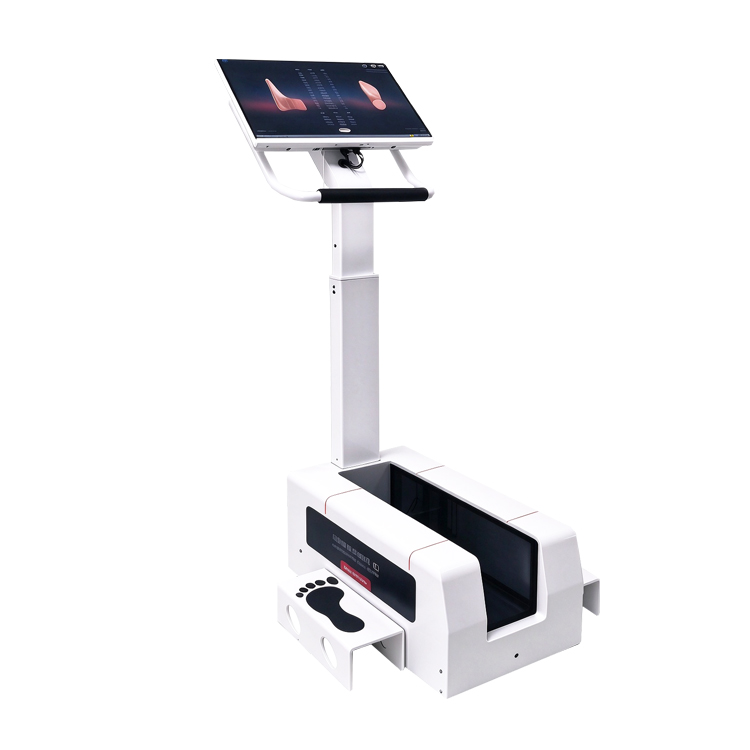
How 3DOE Foot 3D Laser Scanners Support the Footwear Industry
3DOE develops foot measurement and 3D scanning solutions designed to help businesses capture digital foot data for professional applications.
By integrating foot 3D laser scanning technology into footwear design, custom insole production, and retail fitting workflows, businesses can obtain detailed foot measurements to support product development and personalized fitting.
Whether you are developing shoe lasts, manufacturing custom footwear, designing personalized insoles, or improving the fitting experience in a retail store, digital foot measurement technology can provide valuable data for your business.
As the footwear industry continues to evolve toward digital design and personalized manufacturing, 3D foot scanning is becoming an increasingly important tool for businesses seeking to improve efficiency, develop better-fitting products, and explore new market opportunities.
Explore 3DOE foot 3D laser scanning solutions and discover how digital foot measurement technology can support your footwear business.
Frequently Asked Questions
What is a 3D foot scanner used for in the footwear industry?
A 3D foot scanner is used to capture detailed foot measurements and generate digital foot models. These measurements can support shoe last design, custom footwear manufacturing, personalized insole production, shoe size recommendations, and retail fitting.
How does 3D foot scanning improve shoe design?
3D foot scanning provides detailed foot geometry, including foot length, width, arch height, heel shape, and other dimensions. Designers can use this information to better understand foot variations, optimize shoe last geometry, improve fit, and reduce unnecessary design adjustments.
Can a 3D foot scanner be used for custom shoes and insoles?
Yes. Digital foot measurements can provide a reference for custom shoe last development, personalized footwear design, and custom insole manufacturing. The data can help designers create products that better accommodate individual foot dimensions and shapes.
How long does a 3D foot scan take?
Scanning time depends on the equipment and scanning method. Some foot 3D laser scanners can capture foot data in approximately 20 seconds, making them suitable for professional measurement applications and retail environments.
Why are 3D foot scanners becoming popular in footwear retail?
3D foot scanners can provide more detailed foot measurements than basic manual sizing methods. Retailers can use these measurements to support personalized shoe and insole recommendations, improve the fitting experience, and potentially reduce fit-related returns.
What is the difference between traditional foot measurement and 3D foot scanning?
Traditional foot measurement typically focuses on a limited number of dimensions, such as foot length and width. A 3D foot scanner can capture more comprehensive foot geometry, including surface contours, arch shape, heel structure, and other dimensional characteristics, depending on the system.
 Back to list


 +86-0755-86131192