
 +86-0755-86131192
 2026-11-25
A 3D foot scanner mainly uses optical scanning technology to obtain the three-dimensional data of the human foot. It can obtain dozens of key foot data points, such as foot length, foot width, arch height, foot contour, and other measurements.
These data can provide a data basis for foot assessment, corrective insoles, and the design and production of personalized custom shoes.
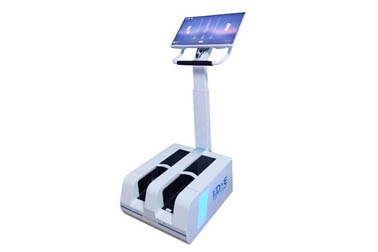
For example, 3DOE's 3D foot scanner mainly uses laser optical principles to scan the foot from multiple angles, such as 8–16 different viewpoints, collect the three-dimensional spatial data of the foot surface, and then analyze and convert the data through software on a computer. Finally, it generates a complete measurement report and 3D data in formats such as STL.
Unlike other measurement methods such as 2D photography, using laser principles not only allows the measurement of basic key dimensions such as foot length, foot width, heel width, and arch height, but also obtains spatial contour information of different parts of the foot, and generates a visualized 3D model and measurement report.
Especially when assessing foot deformities such as flat feet and high arches, it is very important to truly obtain arch height data.
Truly obtaining arch height data can help more accurately determine the severity of flat feet and high arches.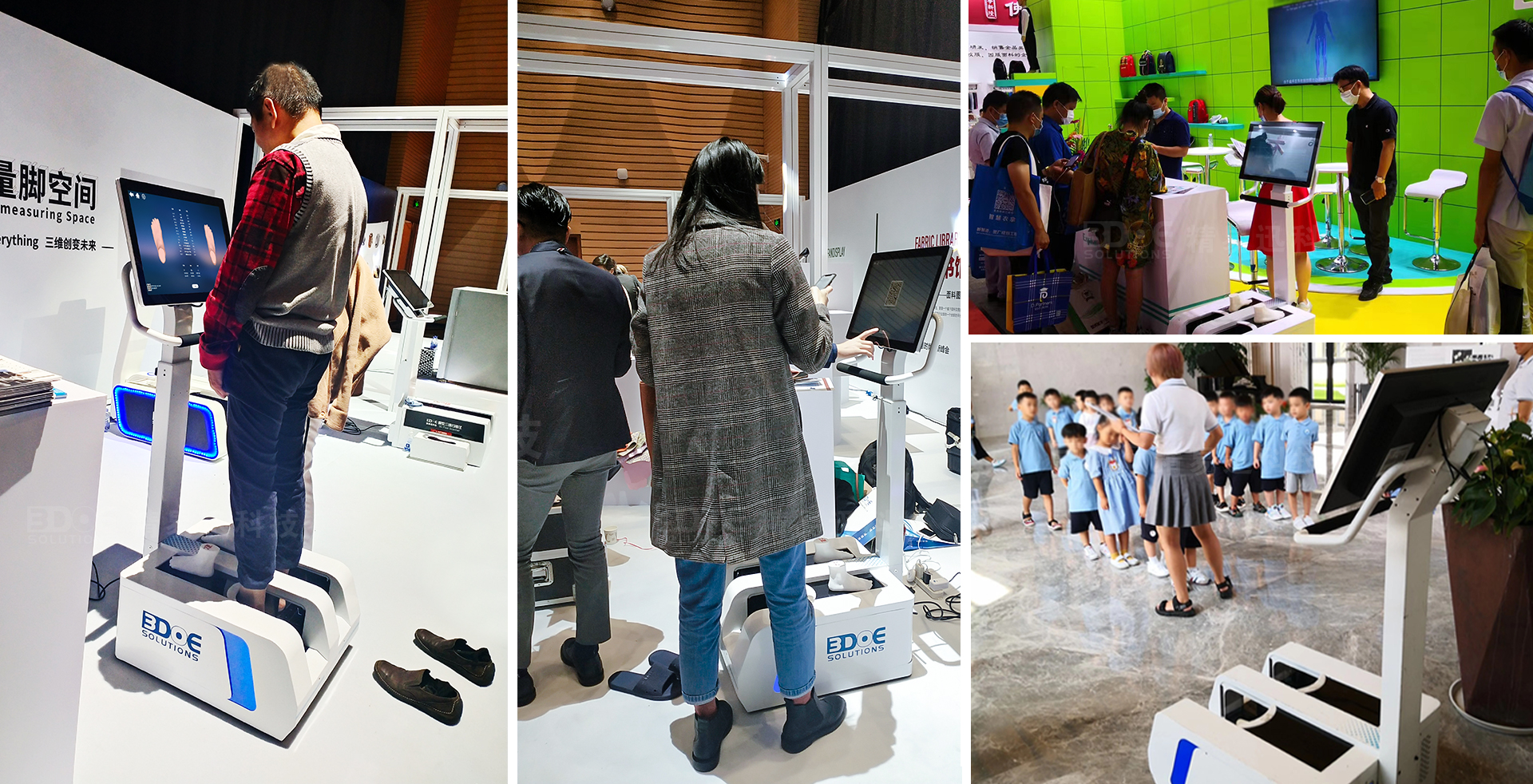
3DOE's 3D Foot Scanner Also Has the Following Features:
1. Fast Scanning: It only takes 10–20 seconds to complete the acquisition of foot data.
2. High Measurement Accuracy: Currently, within the industry, 3DOE's accuracy is among the leading levels, with accuracy reaching within 0.5 mm.
3. Multi-Angle Data Acquisition: Single-foot scanning uses 8 viewpoints, and two-foot scanning uses 16 viewpoints to scan and measure, reducing blind spots and making the data more complete and accurate.
4. Data Visualization: It can generate a visualized 3D foot model, and can also export an icon-based measurement report, allowing testers to see their foot dimensions, foot shape, and other information at a glance.
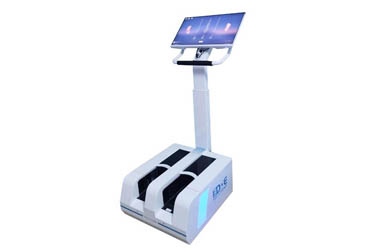
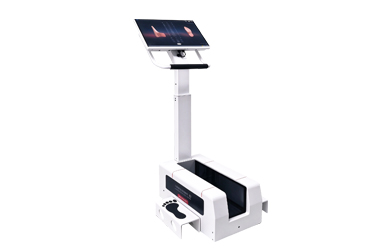
5. Multiple Models Available: There are portable models, single-foot measurement models, simultaneous two-foot measurement models, models with columns, models without columns, and other styles available for selection.
What Are the Main Application Fields of 3D Foot Scanners?
1. Foot Correction and Rehabilitation
In places such as foot health centers, rehabilitation training centers, and foot correction institutions, introducing a 3D foot scanner can help assess users' foot problems, such as flat feet, high arches, heel varus, and heel valgus, while also providing data references for personalized correction plans.
It can also be used for data comparison before and after surgery, making it convenient for professional doctors to develop more reasonable rehabilitation plans.
2. Corrective Insoles / Corrective Shoes and Personalized Insole / Footwear Design
Patients with flat feet, high arches, heel varus, and heel valgus are more likely to accept correcting their foot problems through corrective insoles and corrective shoes.
Because the risks are low, there is no pain, and the price is not expensive.
Nowadays, people pay more attention to foot health, and many people are beginning to prefer personalized insole and footwear customization, providing their feet with custom-made insoles and shoes.
A 3D foot scanner can provide objective data for insole production. The data only needs to be imported into professional design software to quickly create a model, improve the efficiency of making insoles and shoes, shorten the production time, and ensure that the manufactured shoes and insoles can completely fit our feet.
In addition, scanning data can also be used for shoe last design, footwear development, and footwear product research and development, helping enterprises establish a foot-shape database.
3. Sports and Ergonomics Research
In the field of sports research, by collecting foot-shape data from different groups of people engaged in sports, and studying the relationship between foot structure and sports equipment compatibility, it can provide data support for sports shoe design, sports insole development, and human foot research.
This enables people engaged in sports to better improve their athletic performance and reduce the occurrence of sports injuries after purchasing products.
 Back to list


 +86-0755-86131192