
 +86-0755-86131192
 2026-11-16
To analyze plantar pressure, multiple dynamic data points need to be comprehensively evaluated, including pressure distribution, center of pressure trajectory, and foot force application timing, which all need to be collected and analyzed.
Pressure distribution is one of the most important data points for assessing flat feet.
Under normal circumstances, the plantar surface of the foot has specific weight-bearing regions.
When the arch structure is underdeveloped or collapses, the weight-bearing area on the medial side increases significantly.
This also causes relatively significant changes in the peak pressure in the middle of the plantar surface.
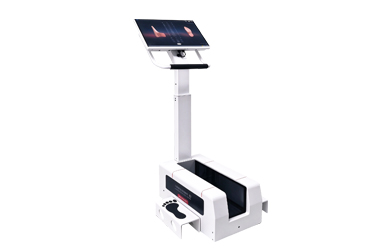
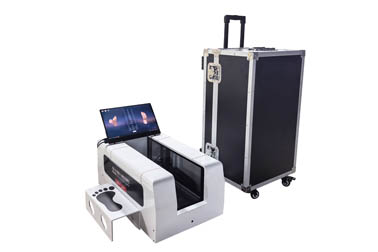
The plantar pressure analyzer uses high-sensitivity sensor technology to obtain dynamic matrix data of plantar forces, establish a pressure distribution model, and acquire dozens of key biomechanical parameters of the foot, including peak pressure, contact area, impulse index, contact time, and other data.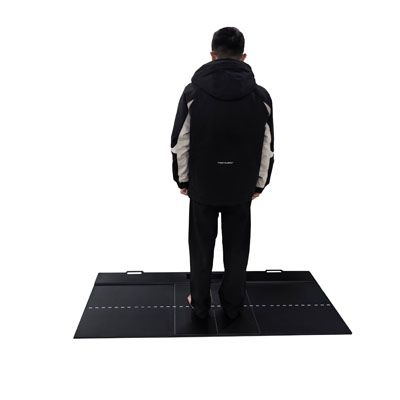
Of course, flat feet cannot be assessed solely based on peak pressure, contact area, or any single parameter. Multiple data points and multiple dimensions must be used for comprehensive evaluation and assessment.
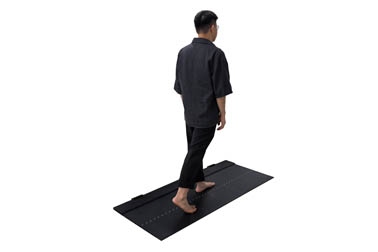
However, there is one particularly important issue: the collected data must come from dynamic walking, rather than being measured during static standing.
The medial arch, in particular, is a critical weight-bearing point during the push-off phase of walking, where instantaneous peak pressure occurs. Many devices that rely on static pressure plates have difficulty capturing real data from this process. The pressure distribution and other data in their analysis reports are calculated based on static measurements, making such data evaluations of little practical value and easily leading to incorrect assessments.
Only when dynamic pressure and other data are genuinely collected, and the assessment results are derived from a comprehensive analysis of these data, can the results be accurate and more objective.
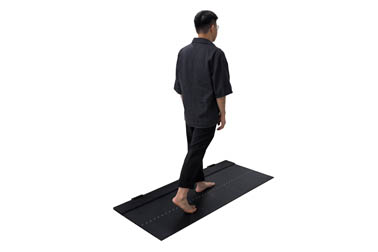
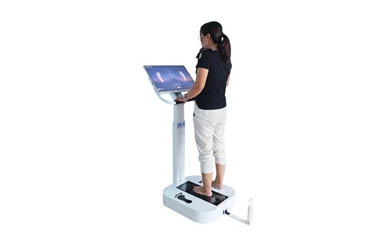
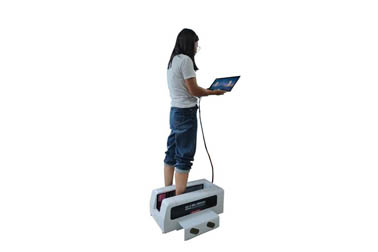
For example, 3DOE's plantar pressure analyzer offers multiple measurement modes, including static measurement, balance measurement, and dynamic measurement. Dynamic measurement uses continuous gait cycles to collect comprehensive data from all aspects of foot movement. Pressure distribution and other measurements are all based on genuinely collected data. Only measurement results obtained in this way can provide genuine, objective, and accurate assessments of flat feet and other foot conditions.
Accurate assessments ensure that subsequent data can be effectively applied to the design and manufacturing of corrective insoles and corrective shoes, helping achieve better correction results. Furthermore, after wearing the insoles and footwear for a period of time, follow-up assessments can also be performed using the device. By comparing the data, the degree of recovery and rehabilitation progress can be evaluated.
Whether a device can effectively assess flat feet, high arches, and other foot conditions does not depend on how good its measurement images look, but on whether it can genuinely capture key dynamic pressure data and other critical measurements.
 Back to list


 +86-0755-86131192