
 +86-0755-86131192
 2026-04-23
Through orthopedic insoles, flat feet, high arches, pes varus and pes valgus can be alleviated or corrected to a certain extent. Especially for mild foot deformities, it has a relatively good correction effect; if it is for adolescents and children, the effect is even better, because the bones of the plantar of adolescents and children are not yet fully formed and are still in the stage of growth and development.
For adults, it generally has an improvement effect, but all these require long-term wearing. Generally, it takes 3-6 months to see a relatively obvious effect. The advantage of correction through orthopedic insoles is that the price is not expensive, and it will not cause pain or great risk.
Nowadays, in the market, one of the most commonly used tools when making orthopedic insoles is the plantar 3D scanner. Then, what are the processes for designing and making orthopedic insoles through the plantar 3D scanner?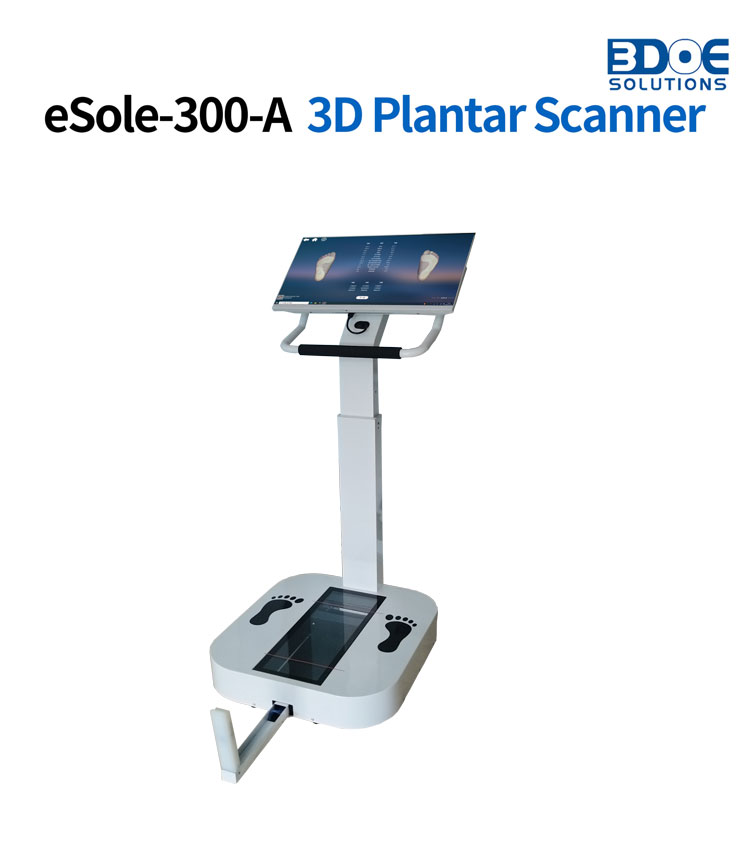
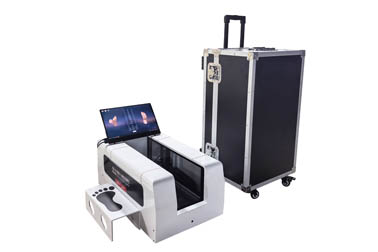
1. Obtain plantar 3D data through the plantar 3D scanner. If the plantar 3D data is measured manually, it is very complicated, with large data errors and prone to mistakes. However, measuring with a plantar 3D scanner is not only high in precision, but also fast in speed, rich in data and high in efficiency. For example, the 3DOE plantar 3D scanner has a precision of less than 0.5mm, and the data collection can generally be completed in about 20 seconds. At the same time, it can generate a measurement report with more than 20 groups of parameters, and the generated stl file can be directly imported into 3D design software.
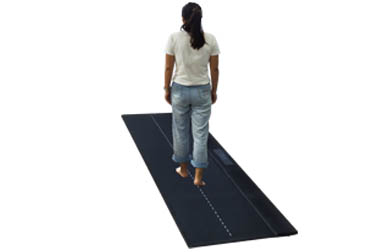
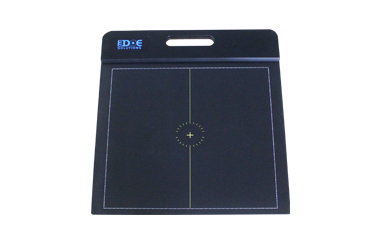
2. Obtain plantar pressure distribution data using the plantar pressure distribution system. If making functional orthopedic insoles, it is also very important to use the plantar pressure distribution system to measure gait data such as plantar pressure distribution. In this way, we can know which areas of our plantar have excessive pressure, and designers can change the corresponding support degree in the design software to make a more targeted design, so that the made orthopedic insoles have a better effect.
Of course, if there is no problem with the feet, and only personalized insoles are made to pursue comfort and fashion, this step can be omitted. If the budget is insufficient, the insole can also be analyzed and designed only through the data of the plantar scanner. If the budget is sufficient, it is even more ideal to measure the plantar pressure data through the plantar pressure distribution system.
3. Import 3D data such as stl into the insole design software for design. After the designer or physical therapist analyzes the collected data and formulates a correction plan, they import the data from the plantar scanner and the plantar pressure distribution system into the insole design software for correction design.
The stl data can directly generate the corresponding 3D model in the insole design software. On the basis of the 3D model, the support force and force line are changed according to the specific conditions of the foot, so that the pressure distribution of the plantar is more reasonable, and finally the correction effect is achieved. To do this step well, designers and physical therapists need to have rich experience and professional knowledge in foot health and design, and be able to conduct scientific analysis and design plans based on the collected data.
4. Export the designed data, and then import it into a 3D printer or engraving machine for production. After the data is designed, it needs to be exported and then imported into the 3D printer and insole engraving machine. Then, make reasonable settings according to the corresponding equipment, select suitable materials, and start the production of insoles. After the production is completed, it is also necessary to perform polishing, deburring, cleaning and veneering to ensure its fit and comfort, and also ensure the correction effect.
 Back to list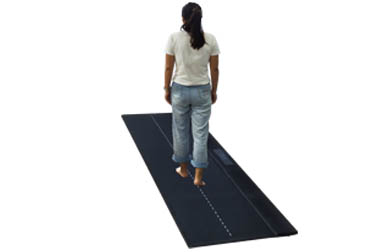


 +86-0755-86131192