
 +86-0755-86131192
 2026-04-16
Personalized and customized markets are increasingly well-received and favored by the public, and the consumer groups of the customized market are expanding continuously.
With the improvement of living standards, people have put forward higher requirements for the quality of life.
The customization and personalization of insoles have also risen with the emergence of high-tech products such as foot scanners, and an increasing number of people choose customized insoles.
Custom insoles are mainly divided into two categories. The first type is simply to wear insoles that fully fit one’s own foot shape, aiming to pursue fashion and comfort. The other type is to achieve the effect of foot correction, such as correcting foot problems including flat feet, high arches, foot varus and foot valgus.
The following briefly introduces the production process of customized insoles with the coordinated operation of foot 3D laser equipment, 3D printers and insole engraving machines.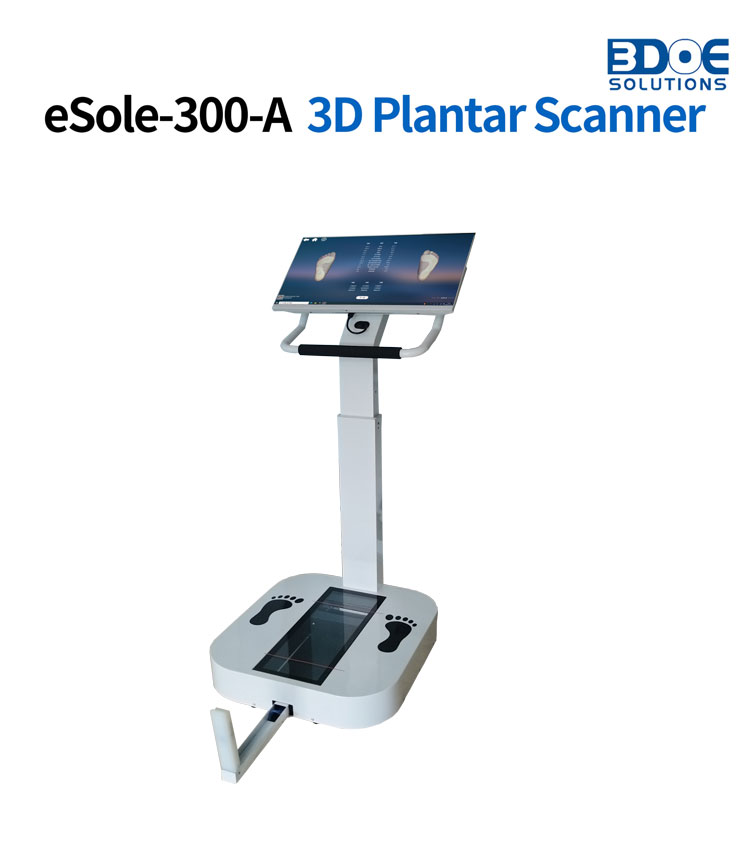
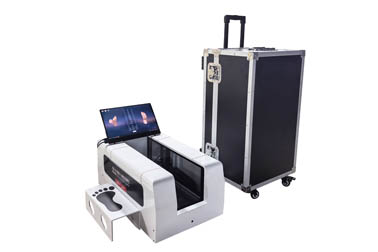
1. Collect foot plantar data through a foot 3D laser scanner.
To customize insoles, foot plantar size data is required in the first place, and richer and more accurate data is preferred.
Traditional manual measurement has large data errors and incomplete data, and it is difficult to obtain three-dimensional data at one time.
The emergence of foot 3D laser scanners can perfectly solve this problem.
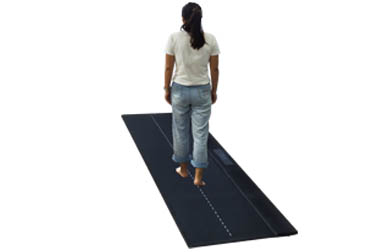
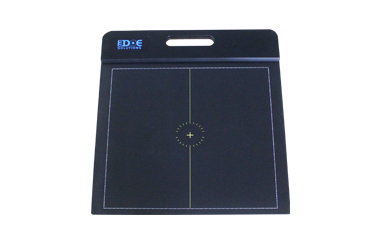
The foot 3D laser scanner of 3DOE has an accuracy within 0.5mm, ranking the highest in the current industry. High-precision data enables the production of insoles that fully fit the human foot. Meanwhile, it features an extremely fast measurement speed, and the collection of foot plantar data can usually be completed in about 20 to 30 seconds. It can not only generate visualized measurement reports, but also output 3D data in formats such as STL.
Measurement reports are for users and rehabilitation therapists, while 3D data is mainly applied to insole modeling.
2. Carry out insole design.
If customers only pursue fashion and fitness, designers only need to conduct design work according to user demands, focusing particularly on appearance design.
For insoles used to correct foot problems, the design needs to be completed by rehabilitation therapists or designers with professional foot expertise. The design is not blind, but targeted on the basis of scientific professional foot knowledge, so that the designed insoles can achieve actual correction effects.
The measured data serves as a crucial reference for designers in corrective design. Based on these data, designers can determine the positions needing enhanced support and the positions requiring reduced support.
3. Complete production via 3D printers or insole engraving machines.
After the completion of insole design, designers export the design data.
Technicians need to process such data with professional software to make it compatible with the operating commands of 3D printers or insole engraving machines.
After data processing, the data is imported into 3D printers or insole engraving machines through U disks and other devices for printing and production.
The selection of materials can be determined with customers’ opinions, including material texture, color and other aspects.
After insole production, polishing and surface pasting processes are required to make the insoles more attractive and fashionable, so as to better meet customers’ personalized needs.
If customers are on-site, they can try on the finished insoles, and fine adjustments can be made in case of discomfort.
If customers are not on-site, the insoles will be delivered to customers by express delivery, followed by continuous follow-up visits. Especially for corrective insoles, follow-up visits and regular insole adjustment are highly necessary.
 Back to list


 +86-0755-86131192