
 +86-0755-86131192
 2026-07-06
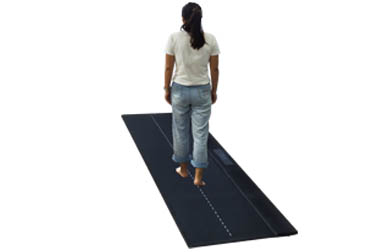
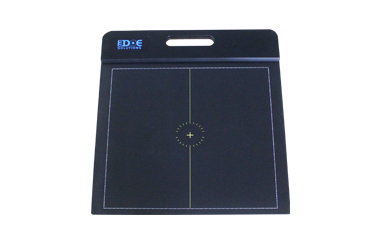
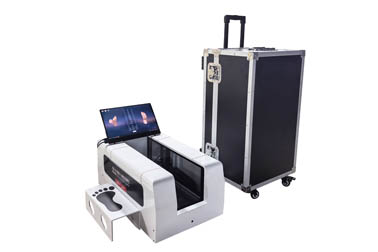
The plantar pressure testing board is a device that utilizes pressure sensors to sense and detect the pressure distribution data of various parts of the plantar foot as well as gait data, etc., when a person is in states such as standing, walking, and running.
The plantar pressure testing board is mostly applied in application scenarios such as medical rehabilitation, sports, children's gait, and shoemaking.
1. Identify foot deformities such as high arches, flat feet, hindfoot varus, hindfoot valgus, and hallux valgus.
2. Assess gait abnormalities and determine problems with the lower limb alignment. For example, whether there are issues such as leg length discrepancy, pelvic tilt, X-shaped legs, O-shaped legs, and ankle joint instability.
3. Conduct localization of the etiology of foot pain. Based on the situation of plantar pressure distribution, especially high-pressure points, it can accurately judge which parts cause the site of pain, and then judge based on the condition whether the pain is caused by force-bearing issues or by bone lesions.
4. Conduct tracking of postoperative rehabilitation. When undergoing foot treatment or surgery, through regularly conducting plantar pressure testing, and then judging the effect of the treatment based on the data, thereby making more targeted rehabilitation training and treatment plans.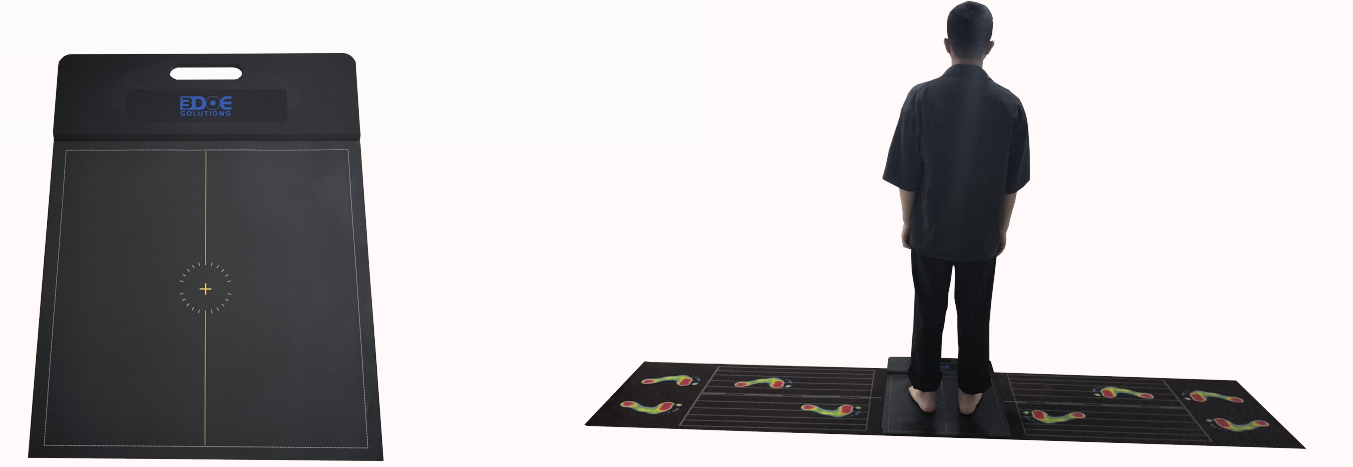
5. Conduct risk screening for diabetic foot. Many diabetic patients, because of foot nerve numbness leading to high pressure on the plantar foot but no pain sensation, and long-term bearing of high pressure will trigger ulceration. Through the testing of the plantar pressure board, it can be clearly seen which areas are under long-term high pressure, enabling us to take preventive measures for the patient in advance, such as dispersing pressure distribution through custom insoles, thereby preventing the occurrence of situations such as foot rot.
6. Conduct screening of children's feet, such as the screening for flat feet, high arches, and gait development conditions, tracking the intervention effects of corrective insoles, corrective shoes, etc.
7. Apply to sports gait analysis to prevent sports injuries, for example, after measurement, according to data analysis and judgment of running, playing basketball, playing badminton, etc., the plantar force generation method, judge whether the force generation method exists errors. Then change the plantar force-bearing method through corrective insoles and corrective shoes or through targeted training, to achieve the correction of the force generation method, thereby achieving the avoidance of the appearance of sports injuries.
8. For foot deformities such as flat feet and high arches, conducting the customization of insoles requires using the data of the plantar pressure board to conduct targeted design, thereby achieving a more ideal corrective effect.
9. Apply to the research and development of custom shoes and custom insoles. With a large amount of market foot screening data, R&D personnel and designers can design products that better conform to the personalized needs of the market, enhancing market competitiveness.
10. Regularly evaluate foot health. Our feet bear the weight of our entire body, the health of the feet will affect the health status of the entire body, regularly evaluating foot health can timely discover possible existing foot problems and conduct intervention measures, thereby better guarding our foot health.
 Back to list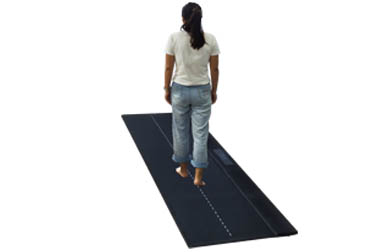


 +86-0755-86131192