
 +86-0755-86131192
 2026-03-16
Diabetic foot is a relatively common chronic complication of diabetes.
If abnormalities can be detected in a timely manner, early detection and early prevention can be achieved, which can better protect our foot health.
The occurrence of this disease is mainly related to foot deformity, abnormal plantar pressure and peripheral neuropathy of the foot.
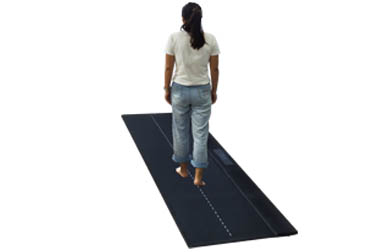
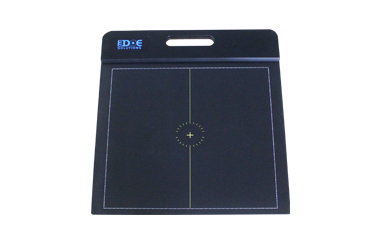
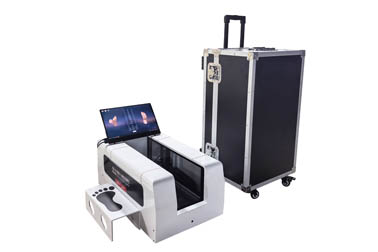
The 3DOE plantar pressure distribution system is mainly based on the principle of pressure sensors to detect the pressure distribution of various parts of the foot during static standing or walking.
So, what is the specific principle of 3DOE plantar pressure distribution system in evaluating diabetic foot?
Assessment of plantar pressure peak value.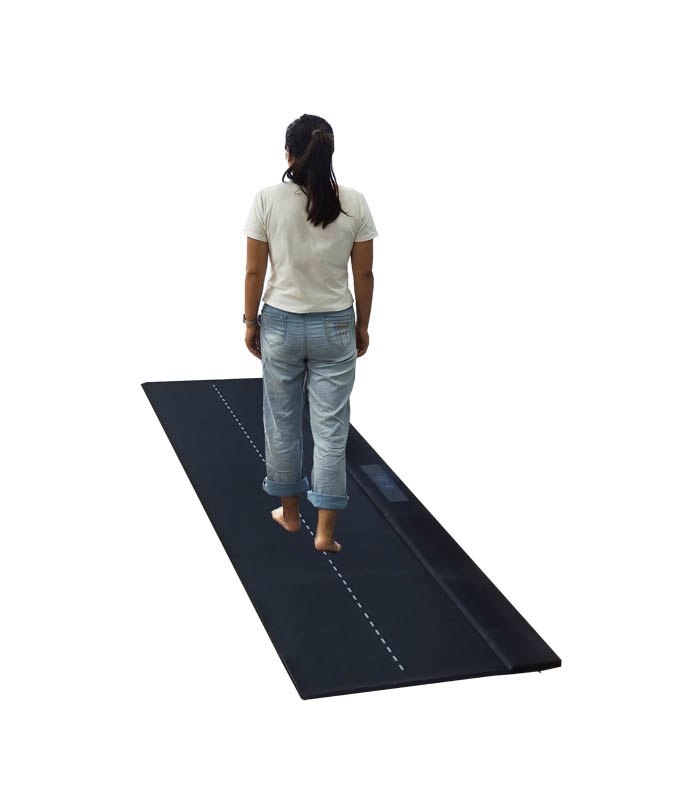
Through the 3DOE plantar pressure distribution system, we can identify the parts of the foot with high pressure peak values.
When the peak value is higher than the normal value, it is a high-risk area and may have the risk of ulceration.
This means that decompression treatment should be carried out, otherwise the risk of diabetic foot will be greatly increased.
Common high-risk areas on the plantar mainly include: metatarsal head area, heel area and toe area.
Analysis of plantar pressure distribution balance.
After measuring plantar pressure distribution with the 3DOE system, the software analyzes the pressure balance, such as the weight-bearing symmetry of left and right feet, the force ratio of forefoot and hindfoot, the support of midfoot, etc.
Obvious pressure concentration, excessive forefoot pressure or abnormal unilateral weight bearing may indicate the risk of diabetic foot.
Analysis of contact time and gait.
Through dynamic measurement, the software of 3DOE plantar pressure distribution system can analyze contact time and gait.
Such as plantar contact time, gait cycle, center of gravity trajectory, etc.
Excessively long contact time, unstable gait and abnormal center of gravity transfer may increase the risk of ulceration, which requires prevention.
The main purpose of using 3DOE plantar pressure distribution system to evaluate diabetic foot is not treatment, but prevention, so as to take precautions before it happens.
These data can identify high-pressure risk areas and predict the risk of ulceration.
Doctors or rehabilitation therapists can provide preventive guidance based on these data, such as designing decompression insoles and guiding gait correction.
 Back to list


 +86-0755-86131192