
 +86-0755-86131192
 2025-12-01
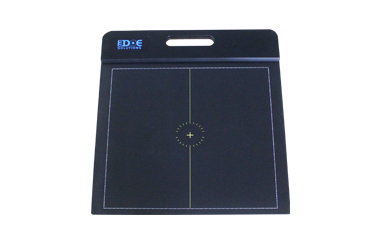
The gait analysis system is equipped with built-in pressure sensors that can capture the pressure distribution data of the foot when standing still or moving.
These sensors are typically arranged in an array of multiple pressure sensing points, which can record in real-time the pressure distribution when the foot comes into contact with the ground.
The contact areas include the heel, arch, forefoot, and other regions. Once the pressure values of these areas are obtained, a digital pressure distribution map is created through software.
The measurement modes of the gait analysis system are generally divided into static measurement, balance measurement, and dynamic measurement.
In static measurement, the person only needs to naturally stand in the designated area of the pressure plate and wait for the measurement. During the process, the body should remain relaxed and natural. This process typically takes 3-10 seconds.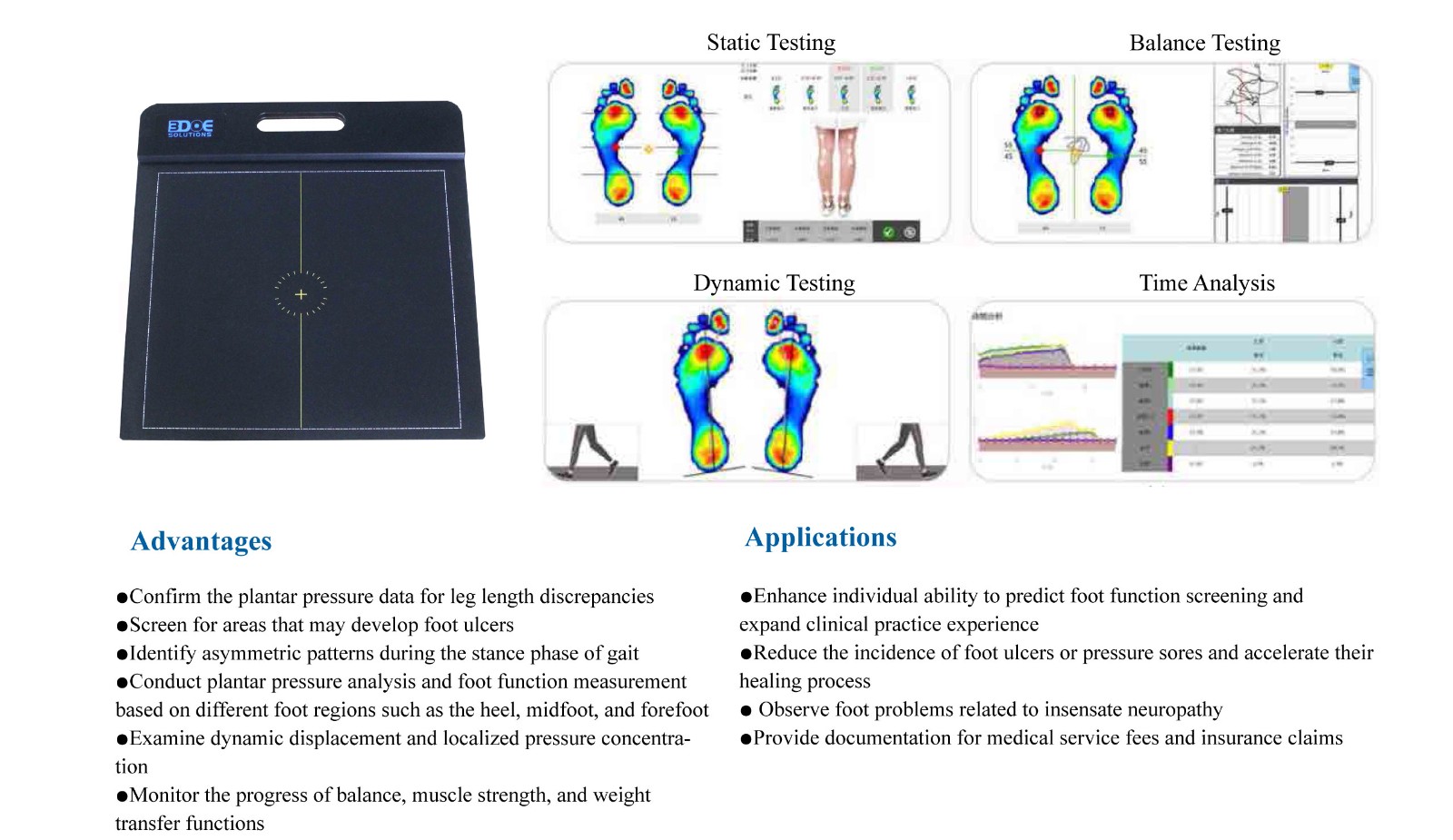
In balance measurement, it is similar to static measurement. Of course, some scene data may require simulating actions like shaking.
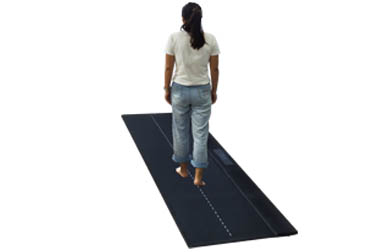
In dynamic measurement, the person needs to walk or run back and forth on the pressure plate, usually walking 3-5 times.
After the measurement, the data can be replayed online, or the measurement report can be exported to a computer, typically in a Word document or PDF report format.
Of course, the measured data requires professional analysis and application in various fields.
For example, rehabilitation specialists can use this data to design functional corrective insoles, monitor pressure changes before and after surgery, or assess flat feet, high arches, and prevent diabetic feet, etc.
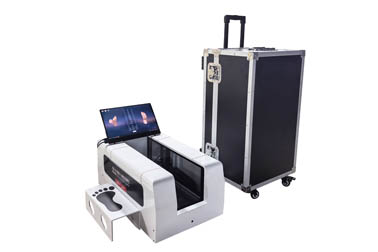
Jingyixun's gait analysis system allows ordinary users to easily view some simple data from the exported report, such as the evaluation of flat feet and high arches.
 Back to list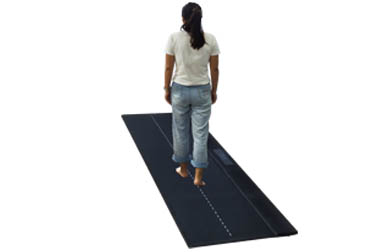


 +86-0755-86131192