
 +86-0755-86131192
 2026-09-15
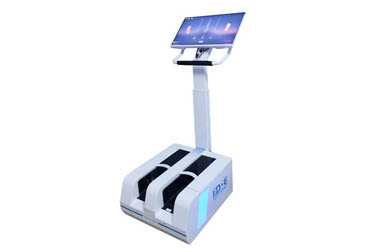
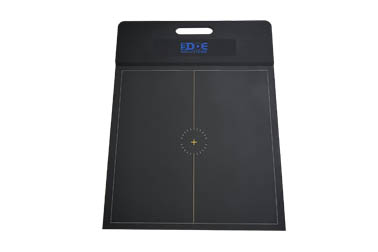
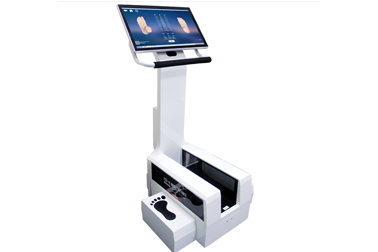
A digital foot measurement system generally consists of two major categories, namely the plantar pressure distribution system (plantar pressure plate) and the 3D foot scanner.
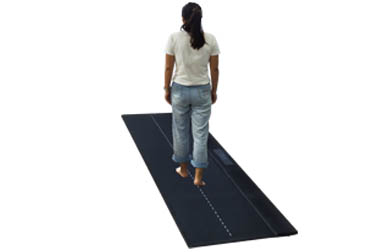
The plantar pressure distribution system mainly measures data such as the pressure distribution in different areas of the plantar surface during walking, static standing, and other movement states, while the 3D foot scanner mainly measures foot morphology data in a static standing state or a non-weight-bearing state (measured while sitting), mainly measuring three-dimensional data.
Both of these types of equipment can be used to assess high arches and flat feet.
At present, the commonly used quantitative indicators for quantifying flat feet and high arches on the market include the following: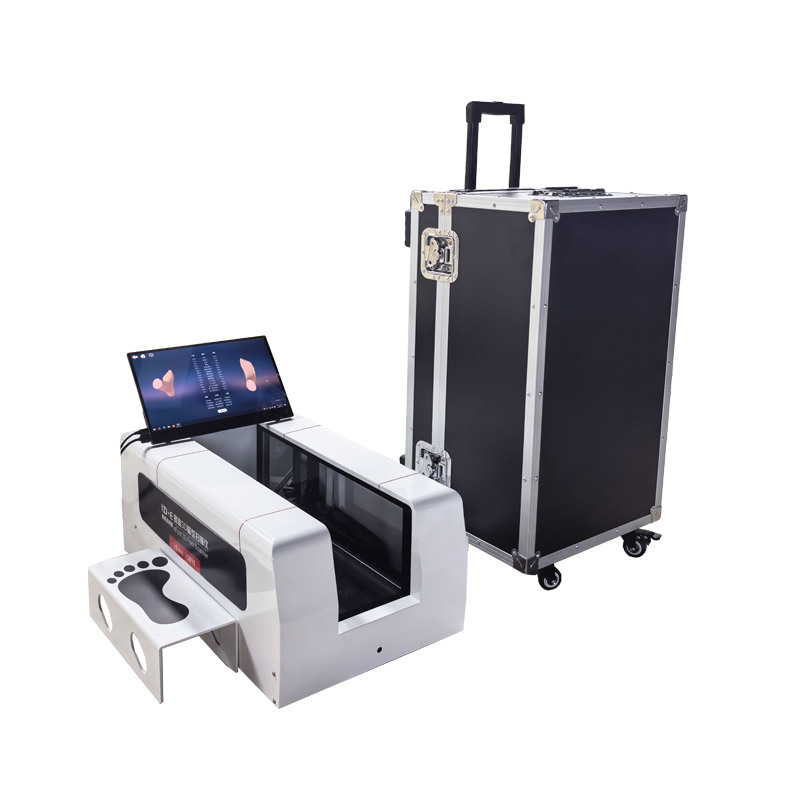
1. Arch Index (AI, Arch Index, area method, the most commonly used).
Its calculation formula is: AI = Midfoot contact area ÷ Total plantar area excluding the toes
AI < 0.21 is assessed as a high arch, at which time the midfoot almost does not touch the ground, and the middle section of the footprint is disconnected,
0.21 ≤ AI ≤ 0.26 is assessed as a normal arch
AI > 0.26 is assessed as a flat foot; the larger the value, the more severe the collapse.
2. Arch Height Index (AHI).
Its calculation formula is as follows:
AHI = Vertical height of the highest point of the arch ÷ Foot length.
AHI below the normal value is assessed as a flat foot.
AHI above the normal value is assessed as a high arch.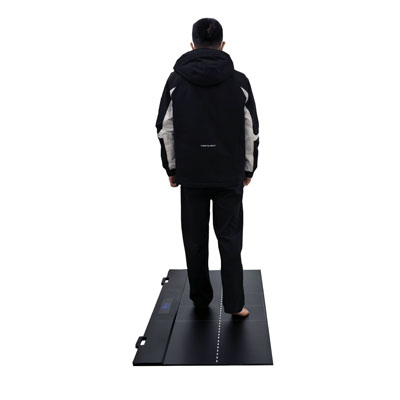
3. Chippaux-Smirak Index (CSI).
The calculation method of CSI is as follows:
CSI = Narrowest width of the midfoot ÷ Maximum width of the forefoot.
When CSI > 45%, it is judged as a flat foot.
When CSI < 25%, it is judged as a high arch.
Flat feet and high arches both show different digital characteristics in the plantar pressure distribution system and the 3D foot scanner.
In the plantar pressure distribution system, the pressure map of a flat foot shows a significant increase in midfoot pressure, while the pressure map of a high arch shows pressure concentrated in the forefoot and heel.
In the 3D foot scanner, from the 3D morphological image, the arch height of a flat foot is significantly reduced, while the arch height of a high arch is significantly increased.
However, the plantar pressure distribution system can perform dynamic measurements and collect pressure changes throughout an entire gait cycle, allowing for a more comprehensive assessment of foot health.
Of course, for most application scenarios, a 3D foot scanner is also sufficient to assess flat feet, high arches, and other foot deformities.
In many application scenarios, the 3D foot scanner and the plantar pressure distribution system are used in combination, such as in custom orthotic insoles, custom shoe design and manufacturing, where both are often required for combined measurement and personalized design as well as corrective design, using 3D foot data for modeling and plantar pressure data for the design of foot support and cushioning.
However, it should be noted that digital equipment is a screening tool and cannot be directly equated with a medical diagnosis; if structural flatfoot / high-arched foot needs to be confirmed, an orthopedic doctor will make a comprehensive assessment based on physical examination + foot X-rays.
 Back to list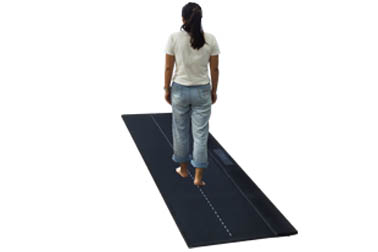


 +86-0755-86131192