
 +86-0755-86131192
 2026-09-03
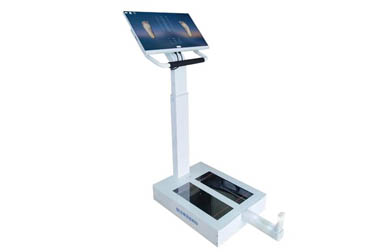
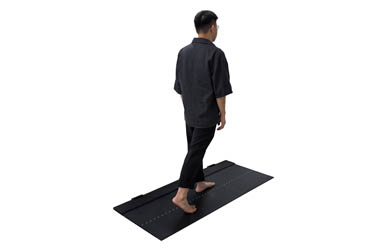
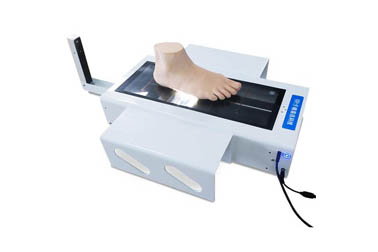
Working based on optical principles such as laser technology, a 3D foot-scanning device captures morphological data of human feet. It collects full three-dimensional information and produces a visual measurement report. With this report, users can quickly grasp key foot dimensions and check their foot health status. For instance, they are able to tell whether they suffer from flat feet, high-arched feet, varus or valgus foot arches.
For footwear businesses, adopting 3D foot-scanning equipment has gradually turned into a mainstream industry trend.
When deployed within the footwear sector, 3D foot scanners bring several remarkable strengths as listed below:
1. Superior measuring accuracy and a more comprehensive set of data
Manual measurement with a regular tape often leads to an error margin of around ±5 mm. Human operators may also introduce subjective mistakes. Irregular measuring gestures or momentary distraction can easily result in incorrect readings. Besides, some critical dimensional values can hardly be obtained by hand-operated measuring tools at all.
By contrast, a professional 3D foot scanner delivers measurement precision up to ±0.5 mm. It covers a far wider range of measurable parameters, more than 60 items in total.
These include dozens of millimetre-level key dimensions required for footwear design: foot length, foot width, as well as various length, width, height, circumference and angle indicators. The scanner can further identify toe patterns, hallux valgus angles, footprint indices and arch types, and detect heel varus or valgus conditions. It finishes a complete biomechanical assessment for feet, then provides advice on shoe size selection and insole matching, alongside fitting suggestions for daily footwear and orthotic insoles. All captured data can be directly applied for last development, shoe selection, custom-made insoles and foot health evaluation.
Apart from rich measurement outputs, the whole scanning process is time-efficient. A full foot scan can be finished within 10 to 20 seconds in most cases.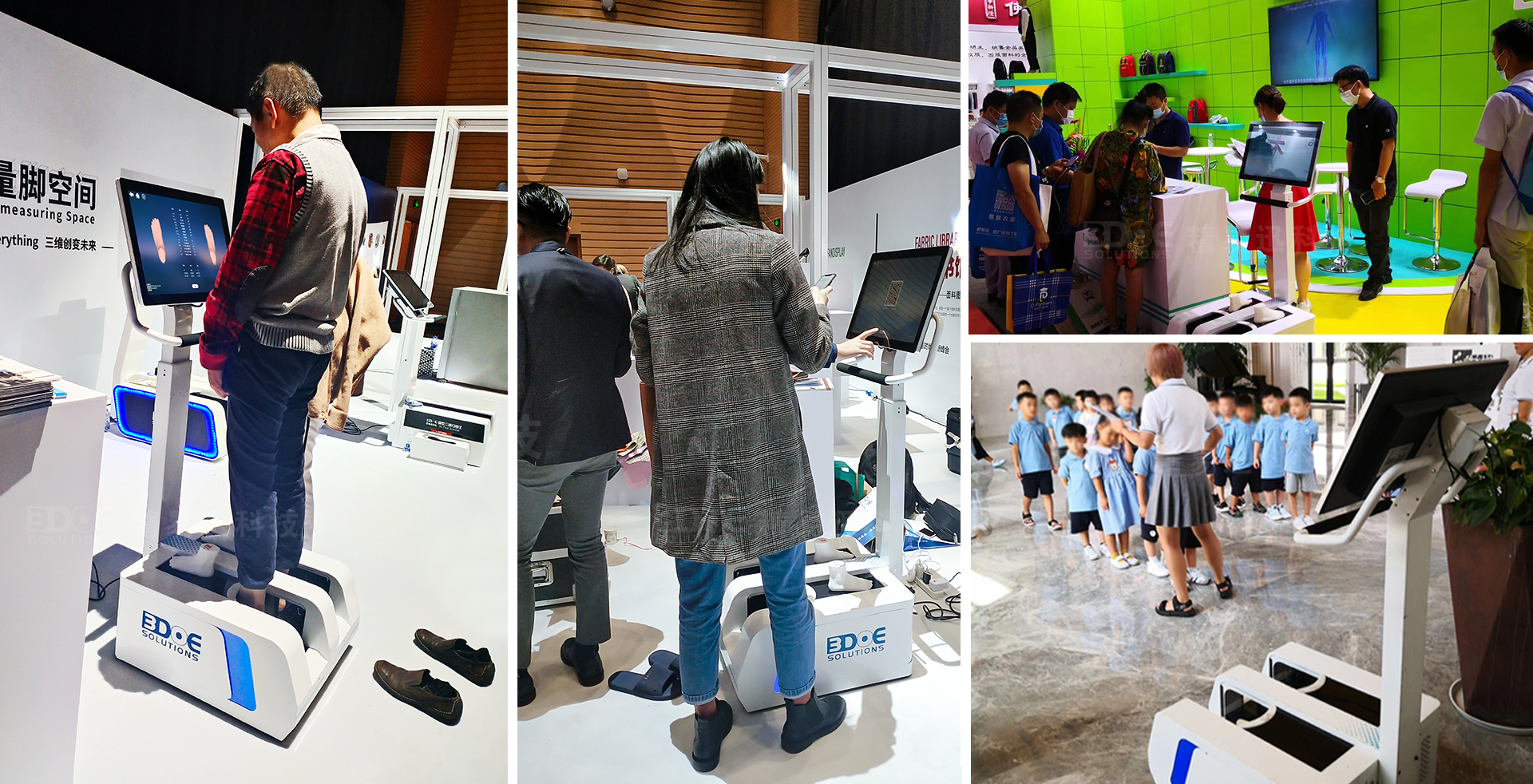
2. empowering footwear R&D and last optimisation while cutting development costs
Brands can build a substantial foot-shape database by gathering massive foot data from real consumers.
Designers no longer rely merely on personal experience for product development. Instead, they make use of the database to accurately capture foot characteristics of target consumer groups. Shoes designed in this way fit customer feet much better, which improves market competitiveness and boosts user satisfaction.
STL and other 3D files exported from scanning can be imported straight into CAD, CAM and other 3D software to generate digital shoe last models rapidly. Especially combined with 3D-printing techniques, this workflow shortens iteration cycles for new-product development. It cuts down repeated mould-opening procedures, saves working hours and reduces overall development expenses.
3. Enabling the production of tailor-made footwear and custom insoles
In the past, getting a pair of custom shoes or bespoke insoles meant high costs and long lead times. Customers paid a premium price and waited for weeks or even one to two months before receiving their finished items.
The introduction of 3D foot scanners simplifies the whole custom-making workflow greatly.
Three-dimensional scan data can be imported straight into dedicated design software for insoles and footwear to build digital models for personalised adjustment.
Completed design files are sent to 3D-printing or engraving devices for physical production. This manufacturing phase normally only takes one to two hours. From foot scanning to receiving finished goods, customers may wait just a few hours or one to two days.
These tailor-made insoles and shoes offer a better fit and deliver certain orthotic effects, bringing a satisfying experience to end users at a more reasonable price point.
For manufacturers and merchants, this technology strengthens product competitiveness and lowers production costs. It opens up the personalised-customisation market and creates extra revenue streams.
4. upgrading physical retail stores and optimising shoe-shopping experiences
Retail outlets equipped with 3D foot scanners can draw local shoppers by providing free high-tech foot-health assessments, which works as an efficient customer-attracting tool.
Shoppers can complete self-service foot measurement right inside the store. They learn their exact foot dimensions and foot-health conditions, while the system recommends suitable insoles and footwear matching their unique foot shapes.
If the scanning report detects issues such as flat feet, high arches, heel varus or valgus arches, the shop can provide custom services for orthotic insoles and corrective footwear. Such value added services improve customer loyalty and bring additional income for retailers.
Scan records can be archived permanently for later retrieval and reuse. Even without visiting the physical shop again, returning customers can access their stored foot data to pick suitable shoes and insoles online. This helps drive repeat purchase effectively.
 Back to list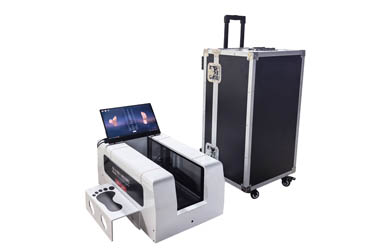


 +86-0755-86131192