
 +86-0755-86131192
 2026-07-01
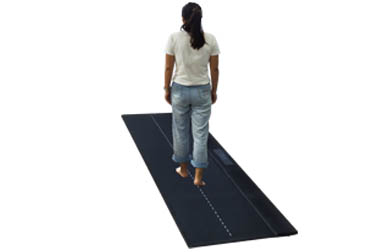
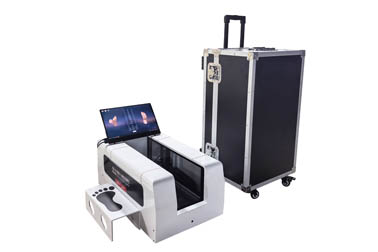
The plantar pressure gait analyzer is primarily used to measure pressure data from various parts of the sole when a person is in states such as standing and walking.
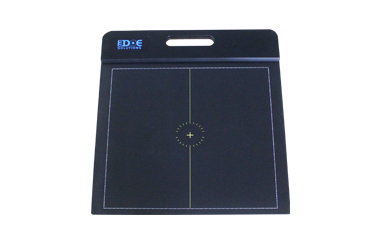
Its working principle: thousands or even tens of thousands of high-sensitivity pressure sensor arrays are built into the plate. When a person steps on it, these pressure sensors will sense it and convert the sensed data into electrical signals transmitted to the software on the computer. The software then performs corresponding analysis, converting it into data such as pressure, contact area, pressure distribution, and gait distribution. It can also export measurement reports, presenting them in an easy-to-understand manner such as charts and graphs.
The sampling frequency of the plantar pressure gait analyzer is generally between 100-800Hz. When we are walking, the pressure plate can respond to our pressure at the millisecond level.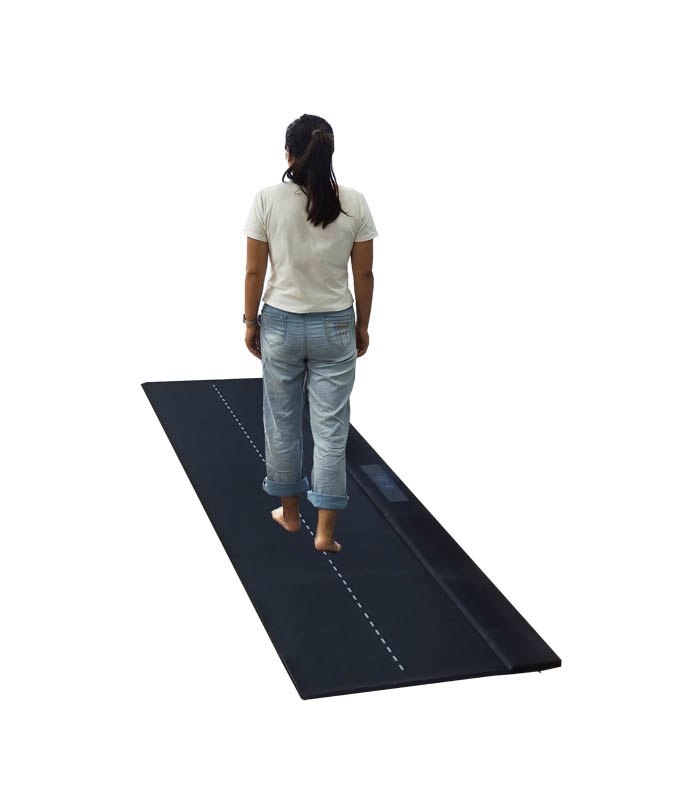
The usage of the plantar pressure gait analyzer:
1. Preparation before measurement.
It is best to be barefoot, because this can more accurately capture data such as plantar pressure.
After being barefoot, sweat and dust on the soles of the feet should be cleaned to keep the feet in a clean and dry state.
Enter the tester's name, gender, height, weight, etc., into the computer to create a new test file.
2. Conduct static testing.
Stand in the sensing area of the pressure plate, keep feet shoulder-width apart, relax the body, look straight ahead, let hands hang down naturally, and maintain a static standing position.
Then click the static test button on the software and wait for the test.
The testing process only takes about 10 seconds to complete the data collection.
To maintain data stability, the test can be performed twice to see if the data comparison is stable.
3. Conduct dynamic testing.
When conducting dynamic testing, you need to walk back and forth across the pressure plate using your daily normal walking posture and state.
Do not deliberately change your stride, do not need to intentionally stop or slow down or speed up your pace, just walk back and forth according to your usual walking state.
You need to walk back and forth 3-5 times, so that multiple complete gait cycles can be collected.
After acquiring the data, the software will automatically eliminate abnormal data such as limping or stepping off-center.
4. Conduct balance testing.
This is optional, depending on the specific application scenario.
For example, when conducting balance assessment or preventing falls, this balance data measurement is necessary.
When conducting balance measurement, there are also various situations.
For example, just like the static test, only static standing is required.
There is also testing with eyes closed.
There is also single-leg standing testing, etc.
In different states, different degrees of body sway can be tested. Which specific test method to choose needs to be selected according to the specific application scenario.
 Back to list


 +86-0755-86131192