
 +86-0755-86131192
 2025-12-09
Selection of Plantar Pressure Plate Models Should Be Based on Core Needs, with the Following Key Points:
1. Match the measurement accuracy
With high accuracy adaptability, the accuracy of the selected model should meet the requirements.
According to the needs of the usage scenario, use accuracy parameter standards to screen the core configuration of the pressure plate, ensuring precise model matching and small deviations.
The selected models with suitable accuracy can be applied in clinical diagnosis or sports biomechanics analysis.
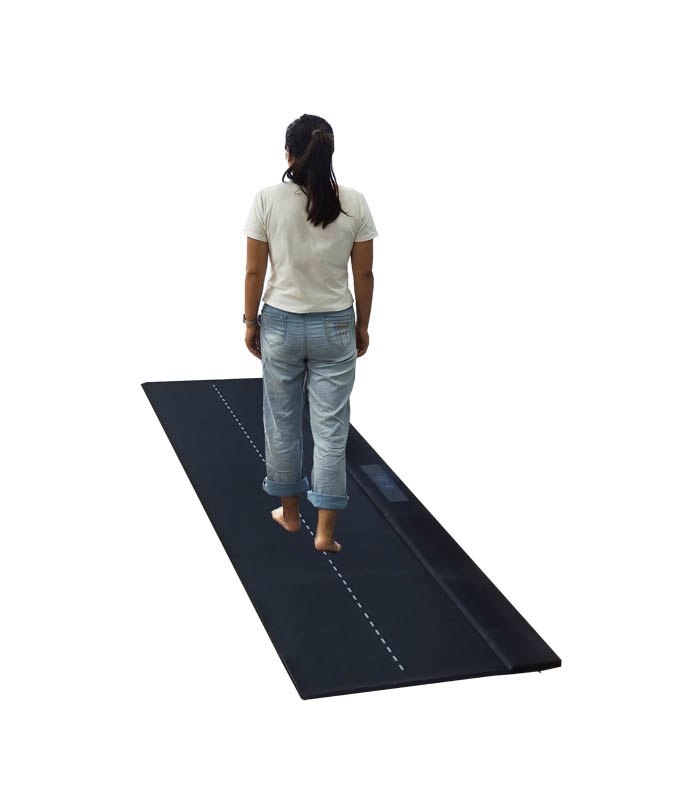
2. Adapt to the usage scenario
Generally speaking, to select the corresponding model according to the scenario, you only need to clarify whether it is for home use, store use or medical institution use, and then you can lock in the suitable model and meet the usage requirements.
Blindly choosing a model will not only result in poor scenario adaptability and affect the use effect, but also increase costs for subsequent replacement.
3. Pay attention to sensor density
Plantar pressure plates collect pressure data through sensor units. The higher the sensor density, the more refined the data. It is necessary to select models with corresponding density according to needs.
This type of selection method can avoid rough data caused by insufficient sensor density, and also avoid budget waste caused by excessively high density.
It is more applicable especially for groups that need to accurately analyze foot stress, carry out professional research, or have high requirements for data details.
4. Meet data transmission needs
Confirm the transmission method through model parameters, and select models with suitable wired or wireless transmission functions, which can make the use process more convenient.
It is very applicable especially in some institutions and related application scenarios that have high requirements for the timeliness and stability of data transmission.
5. Consider the operation difficulty
Models with low difficulty in getting started have low skill requirements for users.
1. Match the measurement accuracy
With high accuracy adaptability, the accuracy of the selected model should meet the requirements.
According to the needs of the usage scenario, use accuracy parameter standards to screen the core configuration of the pressure plate, ensuring precise model matching and small deviations.
The selected models with suitable accuracy can be applied in clinical diagnosis or sports biomechanics analysis.
2. Adapt to the usage scenario
Generally speaking, to select the corresponding model according to the scenario, you only need to clarify whether it is for home use, store use or medical institution use, and then you can lock in the suitable model and meet the usage requirements.
Blindly choosing a model will not only result in poor scenario adaptability and affect the use effect, but also increase costs for subsequent replacement.
3. Pay attention to sensor density
Plantar pressure plates collect pressure data through sensor units. The higher the sensor density, the more refined the data. It is necessary to select models with corresponding density according to needs.
This type of selection method can avoid rough data caused by insufficient sensor density, and also avoid budget waste caused by excessively high density.
It is more applicable especially for groups that need to accurately analyze foot stress, carry out professional research, or have high requirements for data details.
4. Meet data transmission needs
Confirm the transmission method through model parameters, and select models with suitable wired or wireless transmission functions, which can make the use process more convenient.
It is very applicable especially in some institutions and related application scenarios that have high requirements for the timeliness and stability of data transmission.
5. Consider the operation difficulty
Models with low difficulty in getting started have low skill requirements for users.
 Back to list


 +86-0755-86131192