
 +86-0755-86131192
 2025-08-04
The Interdisciplinary Evaluation Value of Plantar Pressure Analyzers
1. Technical Principles and Evaluation Dimensions
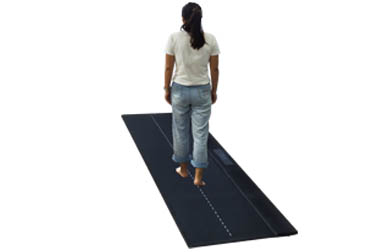
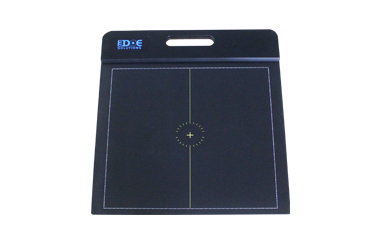
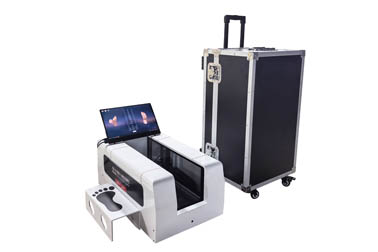
Modern plantar pressure analysis systems integrate capacitive sensor arrays (resolution 0.5-1 cm²) with 3D motion capture, enabling real-time acquisition of:
Static evaluation indicators: Arch Index (AI < 0.3 indicates flat feet), pressure distribution symmetry
Dynamic parameters: Peak pressure (PP), contact time (CT), and center of pressure (COP) trajectory during the gait cycle
In 2025, new AI prediction modules (such as Baidu Medical Brain 4.0) will be added. Through training on over 100,000 cases, they can provide six-month advance warning of diabetic foot ulcer risk with an accuracy rate of 89.3% [2025 Chinese Journal of Foot and Ankle Surgery]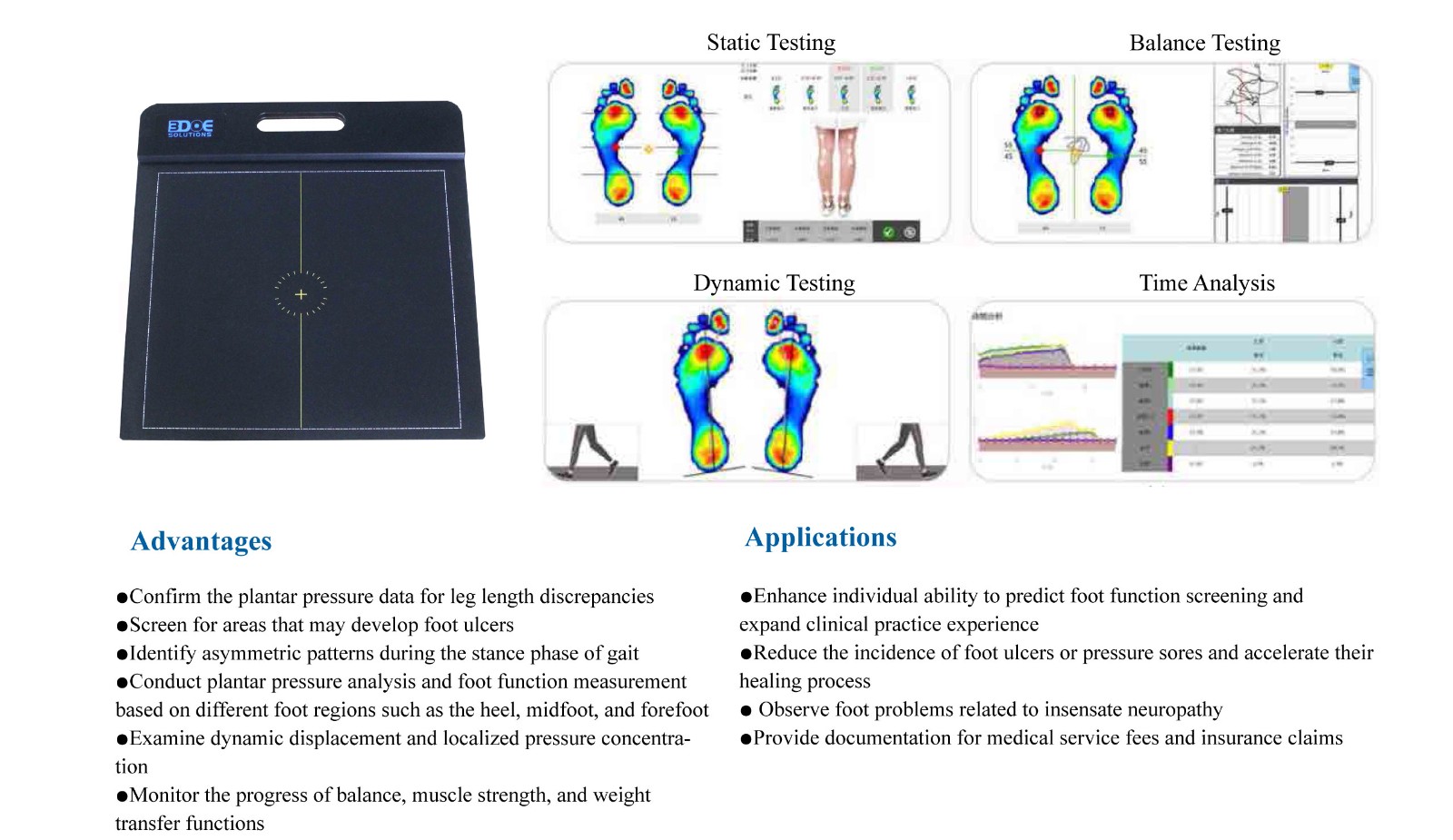
2. Innovation in Clinical Assessment Scenarios
2.1 Orthopedic Rehabilitation Management
Postoperative Assessment: Quantifying the Progress of Weight-Bearing Recovery in Joint Replacement Patients (Target Value > 60% of the Unaffected Side Pressure 4 Weeks After Surgery)
Orthopedic Intervention: Customized 3D-Printed Insoles Based on Pressure Heatmaps Improve Compensatory Lumbar Scoliosis by 37%^[2024 JPO Journal]^
2.2 Neurorehabilitation Monitoring
Stroke patients experienced an 8-week increase in the proportion of pressure on the affected side from 42% to 58% through pressure biofeedback training (P < 0.01)
Freezing Gait Detection in Parkinson's Disease Patients: Abnormal 0.5-1Hz Oscillation Waves Appear in the COP Trajectory
3. Breakthroughs in Sports Medicine Applications
3.1 Injury Prevention System
Building an Athlete-Specific Pressure Database:
Basketball Jump and Landing: Ideal Heel Impact Force Should Be < 2.8 Times Body Weight
Marathon Runners: A Forefoot/Heelfoot Pressure Ratio > 2:1 Increases the Risk of Tibial Stress Fracture by 3.2 Times
3.2 Equipment Optimization Evaluation
The 2025 Winter Olympics will feature an intelligent ski boot pressure monitoring system, which improves plantar pressure uniformity by 21% through real-time adjustment of strap tension.
4. Advances in Elderly Health Management
AI fall prediction model: Integrating dual parameters of pressure swing amplitude (>6 cm²) and gait speed (<0.8 m/s), achieving a warning sensitivity of 92.4%
Customized pressure relief solution: Graphene heating insoles reduce the recurrence rate of diabetic foot ulcers by 43%
Technical Limitations and Future Directions
Currently, sensors are limited by their lifespan (approximately 20,000 tests) and dynamic accuracy (±5%). Quantum pressure sensing technology, expected to be launched in 2026, is expected to increase detection sensitivity to 0.1N.
 Back to list


 +86-0755-86131192