
 +86-0755-86131192
 2025-06-10
You may have heard of running posture analysis, gait assessment, lower limb training optimization... but do you know who the "detective" behind these is?
The answer is - plantar pressure distribution system.
This seemingly low-key system has long been a "star player" in professional sports assessment. Today, let's talk about: What sports can the plantar pressure distribution system serve? What analytical value can it bring?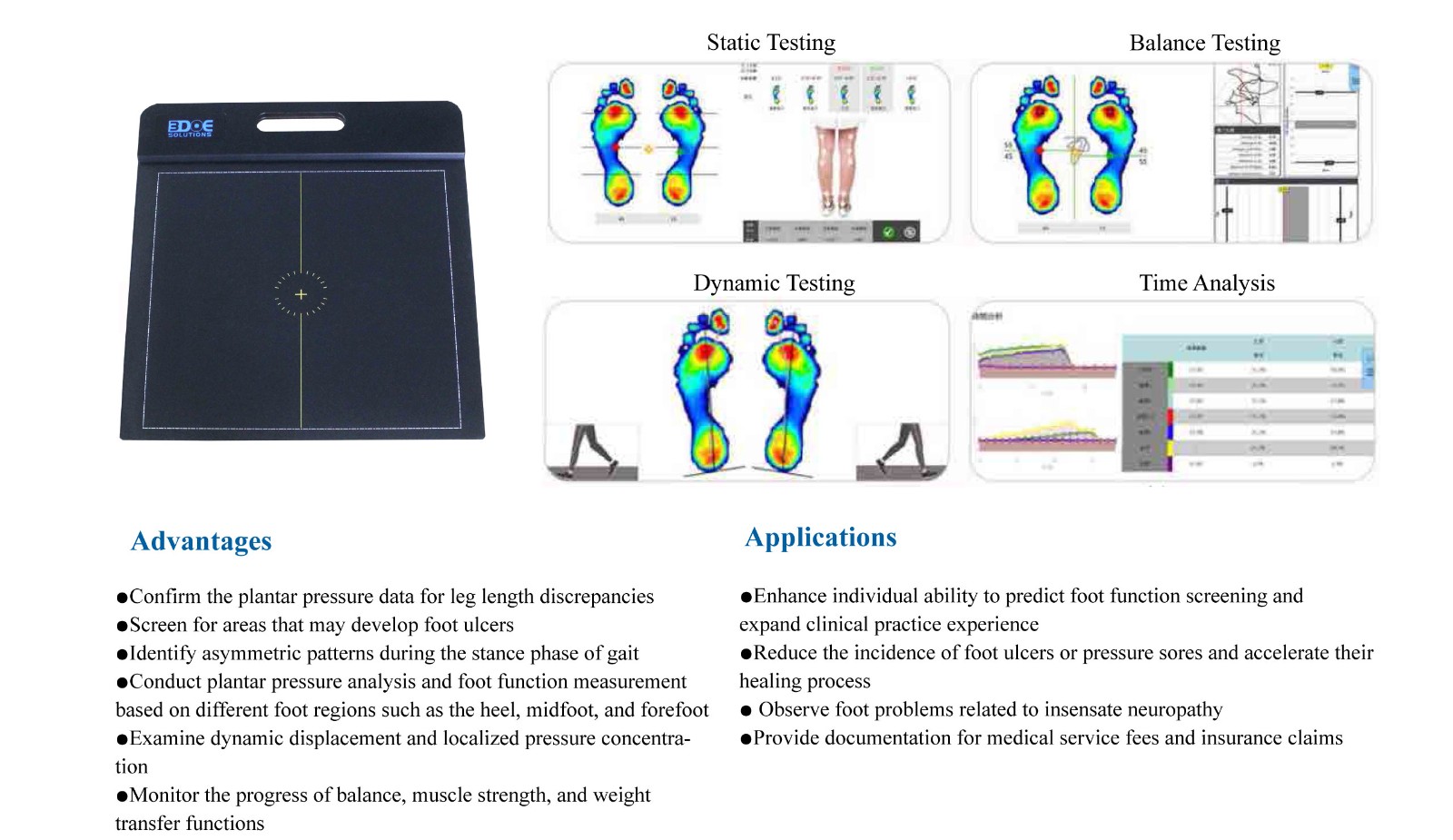
What is the plantar pressure distribution system?
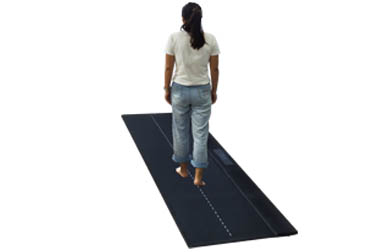
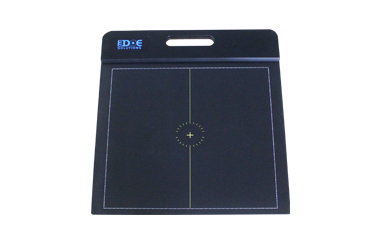
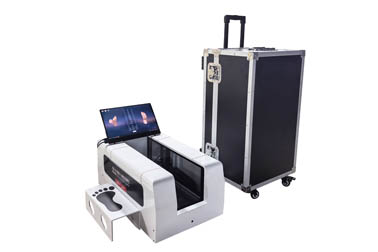
Simply put, this is a high-tech system used to monitor the force conditions of different areas of the sole during exercise. It can record:
Which part of the sole touches the ground first
The order, time, and force distribution of landing
The dynamic changes of the foot when walking, running, and jumping
These seemingly tiny data can actually reveal the details of an athlete's technical movements, force habits, and even potential injury risks.
What sports is it suitable for?
In fact, the scope of application of the plantar pressure distribution system is far beyond your imagination.
Running sports (sprint/marathon)
Did you know that poor running posture is one of the most common causes of injury for marathon runners? The plantar pressure system can analyze the time of heel landing, the propulsion force of the forefoot, and the balance between the left and right sides, helping runners optimize their stride and rhythm, and preventing chronic injuries such as shin pain and plantar fasciitis.
Ball sports (football/basketball/tennis)
In ball sports, sudden stops, turns, and changes of direction are frequent. The plantar pressure system can analyze whether the force distribution under these instantaneous actions is uniform, and determine whether there are problems such as excessive force on one side and center of gravity shift, thereby providing data basis for technical optimization and shoe selection.
Dance and gymnastics
These projects have extremely high requirements for foot stability. Through plantar pressure analysis, data such as standing balance point, single-foot load-bearing capacity, and jumping landing impact can be identified, which helps to improve posture control and reduce accidents such as sprains and Achilles tendon strains.
Golf and baseball
Although not as intense as running, these projects have extremely high requirements for stable force and rotation control of the lower limbs. The system can accurately record the changes in the plantar support position before and after hitting the ball, and determine whether the athlete has asymmetric force or unstable support.
Fitness and strength training
During squats, deadlifts, and lunges, the plantar pressure system can provide real-time feedback on whether you are "stepping firmly on the ground." Problems such as center of gravity shift, different forces between the left and right feet, and knee and ankle dislocation can all be clearly captured, providing safer and more effective technical support for strength training.
Who is using it?
From professional athletes, rehabilitation centers to fitness coach teams, and to some high-end sports middle schools, the plantar pressure distribution system has been widely used in training, recovery, injury prevention and other aspects.
 Back to list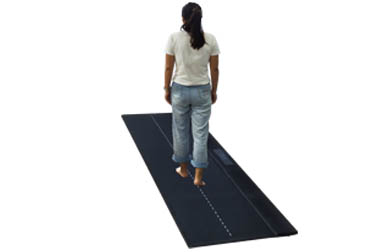


 +86-0755-86131192