
 +86-0755-86131192
 2025-01-03
The footwear manufacturing industry, a traditional sector closely tied to daily life, is undergoing a profound transformation driven by technology. In response to growing consumer demand for personalization and comfort, 3D foot scanners have emerged as a groundbreaking innovation. With their high precision and comprehensive data capabilities, these scanners are paving the way for advancements in footwear customization while significantly enhancing production efficiency and design accuracy. They represent a critical technological breakthrough in modern footwear manufacturing.
Challenges in Traditional Footwear Production
Limitations of Standardized Lasts
Traditional footwear production relies on standardized shoe lasts, which fail to accommodate the unique foot shapes of individual consumers. Variations in foot length, width, and arch height often result in poorly fitting shoes, leading to discomfort and potential foot health issues.
High Inventory and Low Flexibility
Mass production in traditional footwear manufacturing leads to significant inventory pressures. Market demand fluctuations can result in excess stock, causing resource waste and economic losses. Furthermore, this production model lacks flexibility, making it difficult to meet the growing demand for personalized footwear.
Complexity in Design Processes
Footwear design traditionally depends on manual measurements and subjective expertise, which are time-consuming and prone to errors. This is particularly challenging for designing shoes that cater to complex or unique foot shapes.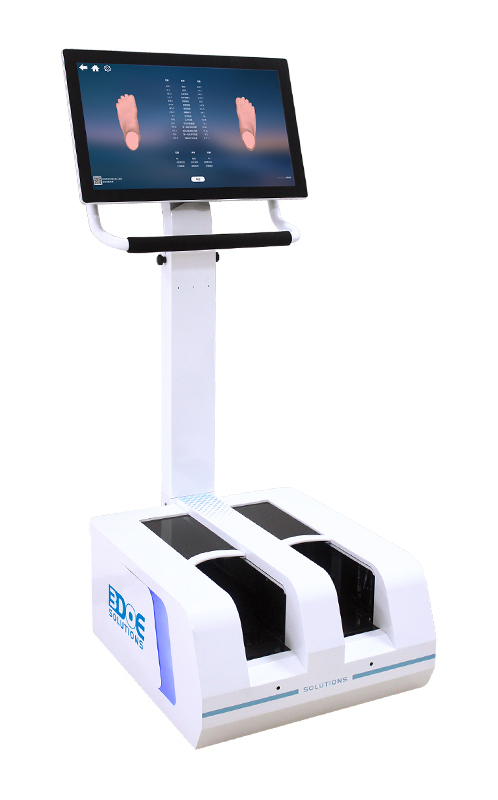
Technical Advantages of 3D Foot Scanners
High-Precision Data Collection
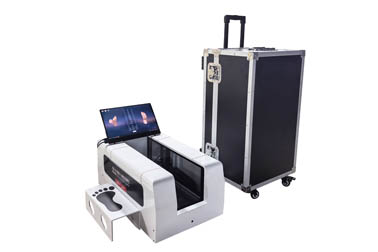
Using optical scanning technology, 3D foot scanners capture the three-dimensional morphology of feet with submillimeter precision. Compared to traditional measurement methods, these scanners provide comprehensive data on key parameters such as foot length, width, height, and arch curvature, offering a solid foundation for precise shoe last design.
Multi-Dimensional Data Analysis
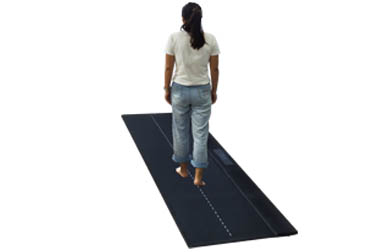
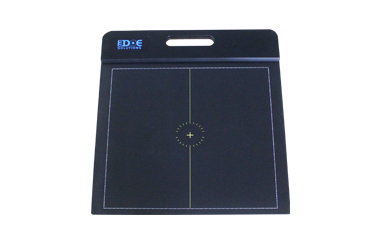
The 3D models generated by these scanners include not only static morphological data but also dynamic plantar pressure distribution analysis. This multi-dimensional data is invaluable for developing athletic and functional footwear, enabling more scientific and personalized design.
Non-Invasive and Efficient
The scanning process is contactless, taking only a few seconds to complete. This non-invasive and rapid measurement capability greatly enhances detection efficiency, making it suitable for large-scale applications.
Driving Customization in Footwear Industry
Personalized Footwear Design
Data obtained through 3D scanning allows manufacturers to design shoes tailored to individual foot shapes, ensuring a perfect fit. This is particularly beneficial for consumers with specific needs, such as flat feet or high arches, as customized footwear can alleviate discomfort and provide optimal support.
Enhanced Comfort and Functionality
By incorporating plantar pressure distribution data, designers can optimize shoe soles and insole structures to improve shock absorption and support. This is especially critical for the development of athletic and medical corrective footwear.
Improved Customer Experience
Consumers often face issues with incorrect sizing or unsuitable designs when purchasing shoes. The integration of 3D scanning technology enables them to quickly find the right shoes, significantly enhancing their shopping experience and reducing the inconvenience of returns and exchanges.
Revolutionizing Efficient Production
Digitalized Production Processes
Data from 3D foot scanners can be directly integrated into CAD/CAM systems, creating a seamless workflow from design to manufacturing. This digital process improves efficiency and precision, reducing the time spent on design revisions and testing.
Smart Manufacturing and Flexible Production
In smart manufacturing setups, 3D foot scanners serve as data inputs, providing real-time information to production lines. Manufacturers can adjust production plans based on market demand, enabling flexible production and mitigating inventory risks.
Cost and Resource Optimization
Accurate data from 3D scanners minimizes material waste and enhances production efficiency. In customized production, each step is guided by precise requirements, ensuring optimal resource utilization.
Application Cases
Innovations in Athletic Footwear
Leading athletic footwear brands have adopted 3D foot scanning technology to offer customized footwear services. Consumers can upload their foot data through scanners, allowing brands to design bespoke shoes that provide maximum comfort and functionality.
Development of Medical Corrective Shoes
Healthcare institutions use 3D foot scanners to design corrective shoes or insoles for patients with foot-related conditions. These products deliver precise support tailored to individual needs, significantly improving gait issues.
Luxury Custom Footwear Market
High-end footwear manufacturers leverage 3D scanning technology to offer fully customized services to clients seeking ultimate comfort and personalization. This model not only enhances brand image but also creates new revenue streams.
Future Outlook
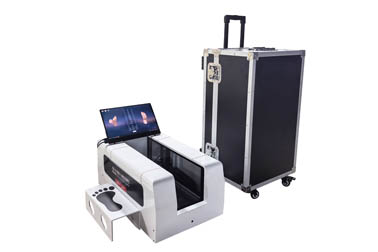
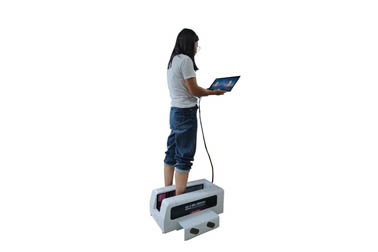
With advancements in artificial intelligence, big data, and IoT technologies, the application of 3D foot scanners in the footwear industry holds immense potential. In the future, portable scanning devices may allow consumers to complete foot scans at home and directly order personalized footwear. Additionally, cloud-based databases and analytical systems will further optimize production processes and enhance consumer experiences.
 Back to list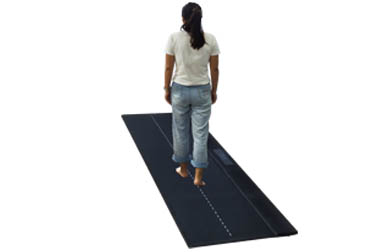


 +86-0755-86131192