
 +86-0755-86131192
 2026-06-10
What is a high arch?
The main characteristics of a high arch are an abnormally raised arch and concentrated force on the forefoot and heel.
When the arch is abnormally raised, what is the situation with the plantar pressure distribution?
1. The pressure in the arch area will be significantly lower than that of a normal arch, or even close to zero.
2. The midfoot part will bear a smaller pressure load, forming an obvious pressure "blind zone."
3. The forefoot and heel parts will bear a very large pressure load, which is more extreme and concentrated than the pressure distribution of a normal foot.
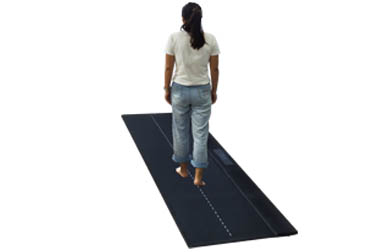
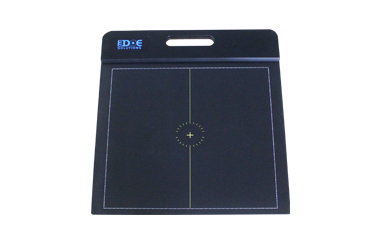
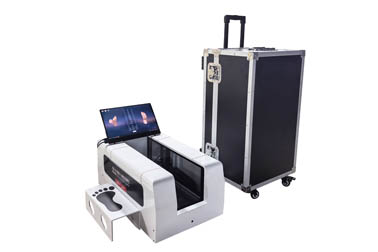
And the plantar pressure distribution system operates on the principle of a sensor array, laying pressure sensing plates or insoles under the foot, recording pressure value changes through electronic components, and combining signal processing technology to obtain a complete pressure map, ultimately yielding high-resolution pressure heat maps and dynamic curves to acquire complete plantar force data.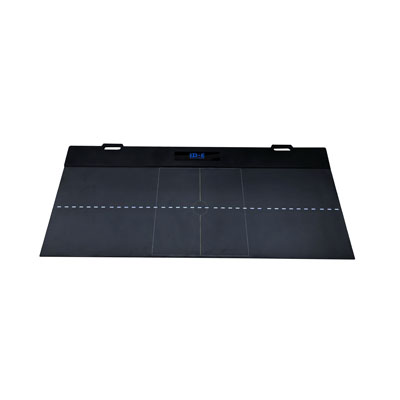
What is obtained through the plantar pressure distribution system is the biomechanical force data of the sole, mainly data under dynamic or static weight-bearing conditions.
Especially when evaluating high arches, pressure data under a weight-bearing state is required, particularly the center of pressure trajectory data and peak pressure area data.
Of course, once the data is obtained, it is not analyzed blindly, but is compared with normal pressure distribution data and scientifically recognized industry standard reference values, thereby evaluating the degree of mechanical abnormality of the high arch.
The plantar pressure distribution system belongs only to biomechanical measurement tools and cannot completely replace a doctor's diagnosis, because the measured data can only see surface pressure data, but cannot see internal skeletal structural abnormalities and soft tissue lesions.
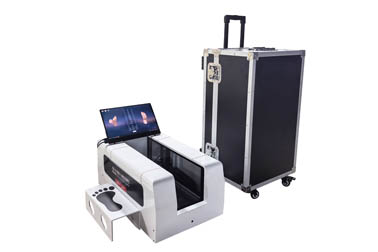
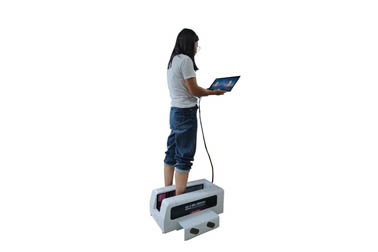
The plantar pressure distribution system is more applicable in applications such as gait analysis, quantifying pressure abnormalities, customizing decompression insoles, preventing sports injuries, and comparing forces during pre- and post-operative and rehabilitation processes.
If our soles have obvious pain, instability, etc., other equipment is needed to evaluate foot health.
For example, through weight-bearing X-rays to evaluate bone morphology and joint angles.
For more complex foot health problems, electromyography/MRI, etc., may also be needed for detection.
But for most scenarios, applying the plantar pressure distribution system to evaluate high arches, etc., fully meets the requirements.
Of course, in essence, the plantar pressure distribution system is only a mechanical measurement tool and is not classified as medical equipment; for the evaluation of plantar health, especially when serious foot health problems occur, experienced doctors and rehabilitation therapists with professional medical knowledge are needed for a combined diagnosis.
The advantage of the plantar pressure distribution system is its strong dynamic capture ability; it only takes a few steps of walking to acquire complete gait cycle pressure data, and it can generate analysis reports. In the analysis reports, we can comprehensively understand our pressure data and gait health status, providing objective scientific data reference for our foot health.
 Back to list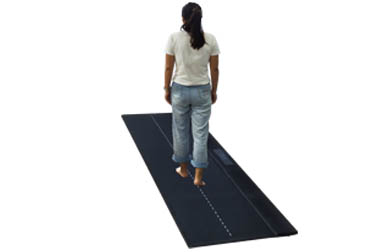


 +86-0755-86131192