
 +86-0755-86131192
 2025-12-19
The plantar pressure analysis system, adopting the pressure sensing principle, usually has the following functions when applied in judging balance ability, motor control level, and guiding rehabilitation training:
1. Objectively assess static and dynamic balance ability with more accurate judgment.
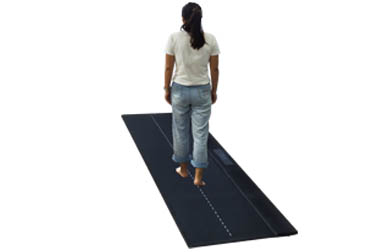
Through the pressure sensing principle, using pressure collection and trajectory tracking, it obtains data information on plantar pressure distribution and center of pressure (COP) trajectory during standing and walking, with objective analysis results and small errors.
The collected data can be applied to the accurate assessment of stability, swing amplitude and control ability of patients during bipedal/monopedal support.
2. Judge postural control and motor coordination level with more comprehensive assessment of regulatory ability.
Through the pressure sensing principle, using pressure change rhythm capture, it obtains data related to center of pressure transfer speed and path smoothness, with clear analysis logic and reliable assessment results.
These analysis data can be applied to judging the regulatory ability of the central nervous system on lower limb movement in patients, and can accurately identify control delays or compensatory movements.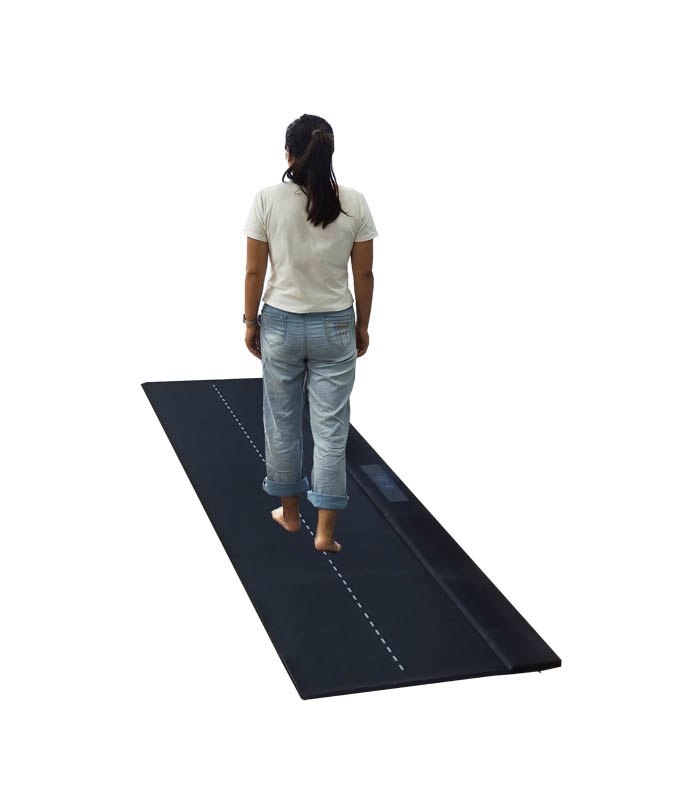
3. Identify load bias and asymmetry problems with more accurate judgment of functional insufficiency.
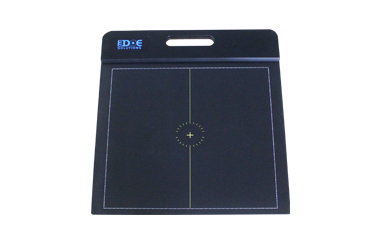
The plantar pressure analysis system collects bipedal pressure data through a pressure sensing array, clearly presenting the force difference between the left and right feet and the weight-bearing ratio of the forefoot and hindfoot, without complex operations and with a simple assessment process.
This assessment method can provide an accurate basis for judging unilateral functional insufficiency and poor core stability, and can also avoid omissions caused by subjective judgment.
It is especially applicable to rehabilitation groups with weak core strength and asymmetric lower limb function, or groups that need precise positioning of problems.
4. Guide the design of personalized rehabilitation training with higher training accuracy.
Through system assessment, combined with the analysis results, targeted balance training, weight transfer training and other programs can be formulated to make the training content more in line with the individual needs of patients, which can greatly improve the accuracy and efficiency of rehabilitation training.
It is especially applicable to institutions with high requirements for training accuracy such as rehabilitation medicine departments and sports rehabilitation centers, as well as related application scenarios.
5. Dynamically monitor training effect and progress, enabling more timely program adjustment.
The equipment collects data through phased tests, compares changes in indicators such as center of pressure swing range and stability index, quantitatively assesses rehabilitation effects, and can timely adjust training content and intensity to meet the dynamic monitoring needs of phased training for rehabilitation groups.
 Back to list


 +86-0755-86131192