
 +86-0755-86131192
 2025-12-15
Plantar Pressure Distribution System in Evaluating Stroke Patients' Rehabilitation
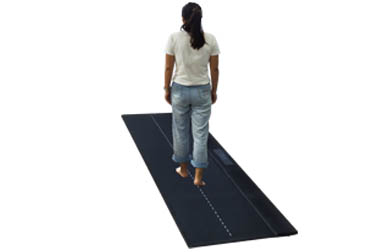
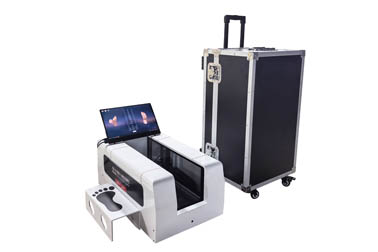
The plantar pressure distribution system is equipped with high-sensitivity pressure sensing and data transmission modules.
Currently, the popular core components on the market include: array pressure sensors, real-time data collectors, and rehabilitation evaluation and analysis software.
These components can capture the pressure difference between the two feet and the characteristics of gait changes of stroke patients when they stand still or walk slowly.
The data update frequency of the system is usually 50 to 500 Hz.
After the data is collected, it is analyzed by exclusive rehabilitation evaluation software, and a rehabilitation evaluation report is generated, which includes the bipedal pressure symmetry index, gait cycle difference, center of gravity deviation amplitude, balance stability coefficient, etc.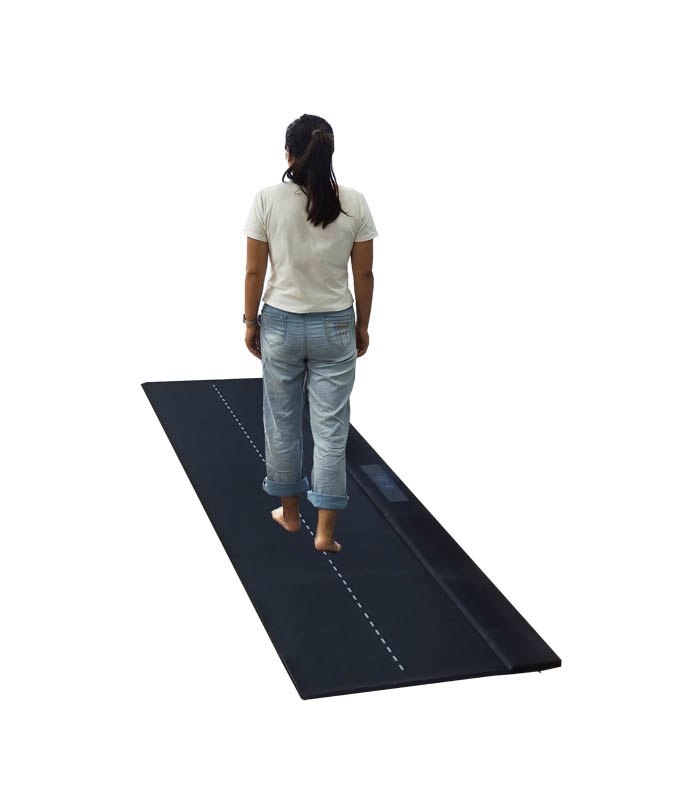
The most common application directions of the plantar pressure distribution system in the rehabilitation evaluation of stroke patients are as follows:
1. Application in early rehabilitation screening.
In early rehabilitation screening, it can be used to judge the functional difference of the two feet and the level of balance ability of stroke patients, evaluate the impact of hemiplegia on gait, and provide a basis for the formulation of initial rehabilitation plans.
2. Application in rehabilitation process monitoring.
It continuously tracks the plantar pressure and gait data of patients at different stages, analyzes the changes in rehabilitation effect, such as adjusting the intensity of rehabilitation training, optimizing training movements, etc., and can also timely detect abnormal problems during the rehabilitation process.
3. Application in rehabilitation plan optimization.
For example, combined with evaluation data, it scientifically adjusts patients' balance training and gait correction training to improve the pertinence of rehabilitation training.
It evaluates the stress load and the risk of secondary injury during the patient's rehabilitation to ensure rehabilitation safety.
4. Application in rehabilitation effect acceptance.
For example, it is applied in the evaluation of rehabilitation level before patients are discharged from hospital, the formulation of subsequent rehabilitation plans, as well as the tracking and review of long-term rehabilitation effects.
 Back to list



 +86-0755-86131192