
 +86-0755-86131192
 2025-05-13
In recent years, more and more parents are concerned about their children's posture and health, especially "scoliosis", "hunchback", "high and low shoulders" and other problems frequently appear in campus physical examination reports, which is worrying. Do you know? Abnormal spinal development is often not "crooked", but problems start from the "feet"!
Today, let's talk about a professional but very practical topic: Does adolescent spinal development require a plantar pressure analyzer for data-assisted evaluation?
The answer is: it is very necessary!
What is the relationship between plantar pressure and spine?
The foot is the "foundation" of the body. Whether the force on the sole is balanced will directly affect the child's standing posture, walking method, and even the force line distribution of the spine.
When a child has the following conditions, he may have plantar abnormalities or gait problems:
When standing, one shoulder is high and the other is low
The soles of shoes are obviously worn to one side
Often complaining of "tired legs", "backache", and "unstable standing"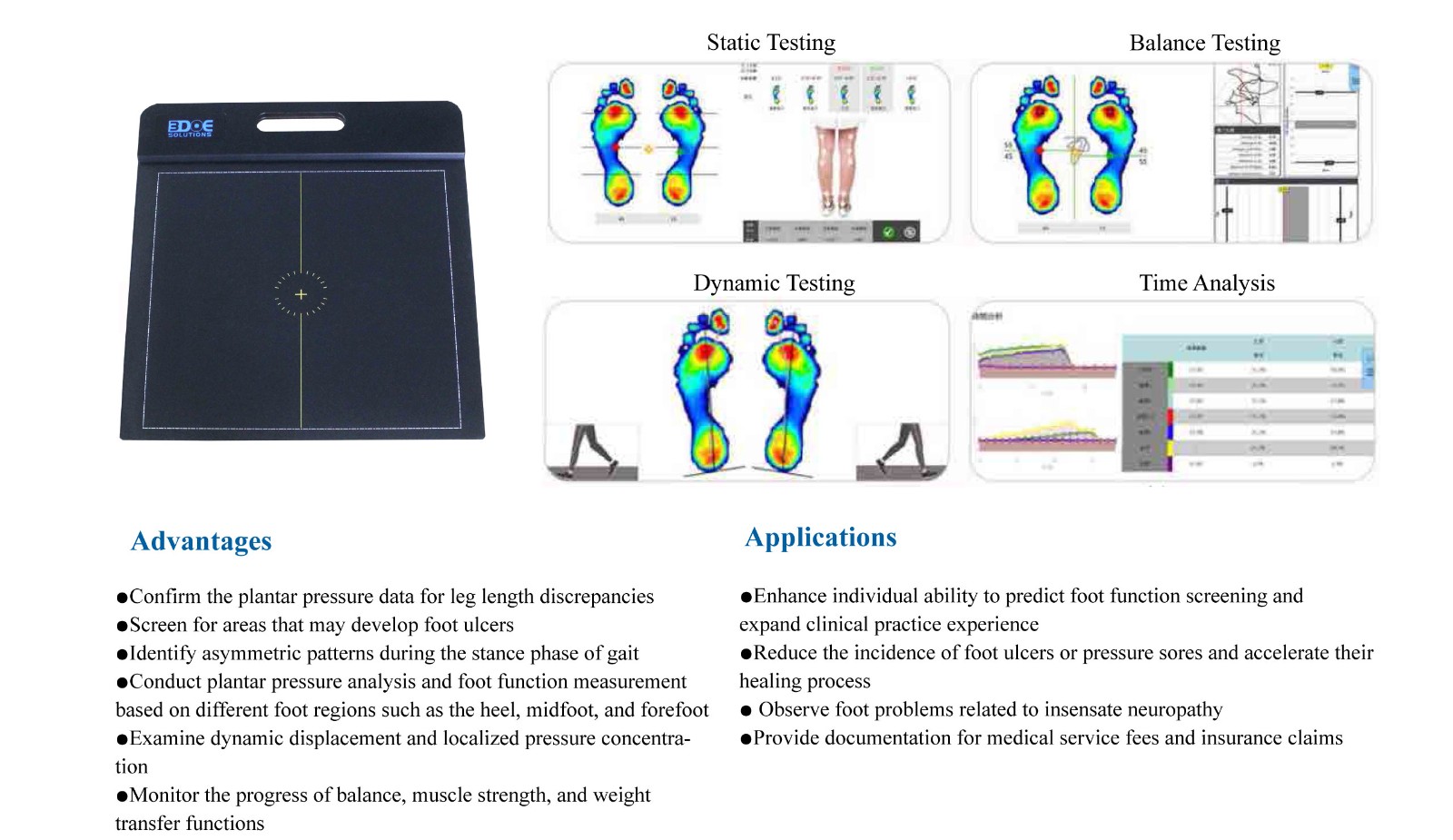
Walking with obvious outward and inward toes
These external manifestations may actually be caused by uneven force on the soles of the feet. Over time, it will cause the pelvis to tilt and the spine to "crooked".
What is the role of a plantar pressure analyzer?
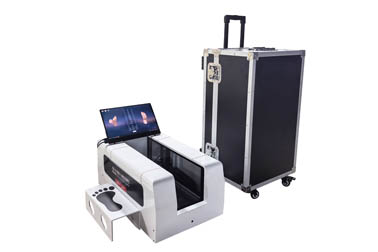
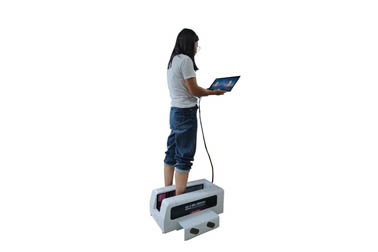
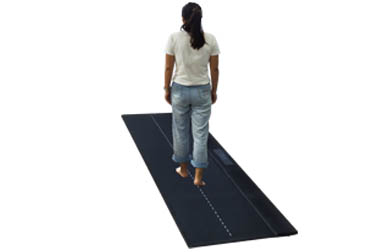
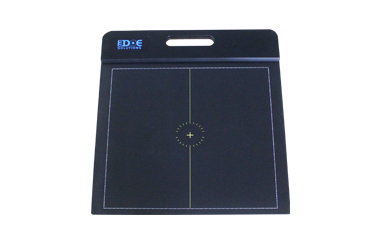
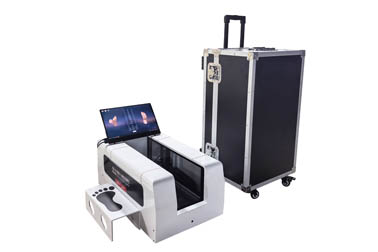
A plantar pressure analyzer is a device that uses precision sensors to measure the pressure distribution in various areas of the sole of the foot when a person stands or walks. For teenagers, it can do the following:
Accurately identify plantar force problems
For example, inversion, eversion, flat feet, etc., will be intuitively presented on the image, which is convenient for parents and doctors to identify early.
Analyze the impact of posture and gait on the spine
Is it biased to one side for a long time? Is there a pelvic misalignment? The plantar pressure map will tell you the answer.
Assist in formulating intervention plans
Whether it is functional exercise, rehabilitation training, or whether or not to wear corrective insoles, data analysis can provide clear evidence to avoid "blind treatment".
Which teenagers are more recommended to do plantar pressure analysis?
Those with posture problems such as scoliosis, hunchback, and uneven shoulders
Teenagers who exercise regularly or participate in physical training
Students who sit for a long time, study with their heads down, and use their eyes for too long
When parents find that their children walk abnormally and have asymmetrical postures
One test, a peace of mind for the future
Many parents may wonder: "My child doesn't seem to have any major problems now, is it worth doing such a professional test?"
What we want to say is: plantar pressure analysis is not treatment, but prevention!
Adolescence is a critical stage in the development of the spine. Once abnormalities occur, the impact may be lifelong. Using scientific and technological means to detect risks as early as possible is much more efficient than intervening when problems are obvious.
 Back to list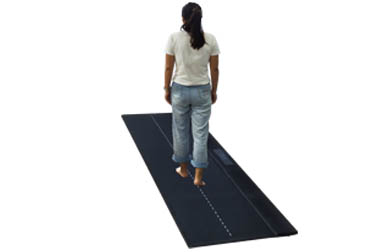


 +86-0755-86131192